Merck will acquire Terns Pharmaceuticals for about $6.7 billion in cash ($53 per share), expanding its cancer pipeline ahead of Keytruda’s 2028 patent expiry. Analysts see Terns’ leukemia drug candidate as a multibillion-dollar opportunity that could rival Scemblix, with the deal expected to close in the second quarter.
Merck is splitting its human health business into two divisions—a dedicated oncology unit to oversee cancer therapies (including Keytruda) and a separate specialty pharma and infectious diseases unit for non-cancer products and vaccines—part of a strategy to sharpen growth after Keytruda's looming patent cliff. The company cites expectations of continued leadership in oncology and potential multi-brand growth, highlighting leadership changes: Jannie Oosthuizen will run the oncology and international unit, while Brian Foard heads the new specialty/pharma/infectious diseases unit, with Chirfi Guindo in a policy/communications role. Merck aims to sustain long-term oncology leadership and push growth through its pipeline, with executives signaling potential of more than $70B in annual revenue mid-decade.
Merck will split its human-health business into two units: a cancer-focused division led by Keytruda and a separate non-oncology medicines arm, as the company diversifies ahead of Keytruda’s looming loss of exclusivity. Keytruda remains the world’s top-selling drug, with more than $30 billion in revenue in 2025, accounting for about half of Merck’s total revenue. Shares rose about 1.4% in premarket trading. Merck has expanded its pipeline and made major acquisitions to bolster growth, and appointed Jannie Oosthuizen to lead the new cancer unit.
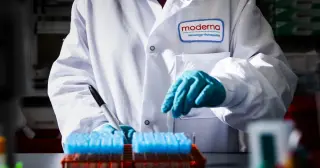
Moderna shares rose about 10% after Phase 2 data showed its cancer vaccine, when combined with Keytruda, reduced relapse or death risk in melanoma, signaling potential for its oncology pipeline as Covid-era vaccine sales fade and cash stockpiles dwindle. Evercore ISI called the asset a key value driver, while the stock remains rated a Hold by analysts with notable downside risk baked into targets.
Merck announced positive results from the Phase 3 KEYNOTE-B15 trial showing that combining KEYTRUDA (pembrolizumab) with Padcev (enfortumab vedotin) before and after surgery significantly improves survival and response rates in cisplatin-eligible muscle-invasive bladder cancer patients, with a safety profile consistent with known effects.
Eli Lilly's weight loss and diabetes drug tirzepatide has surpassed Merck's Keytruda as the world's best-selling medicine, driven by rapid sales growth since its approval in 2022, highlighting intense competition in the pharmaceutical market for obesity and diabetes treatments.
Merck's stock declined after its key products, Keytruda and Winrevair, fell short of sales estimates, despite overall revenue beating expectations. The company is preparing for biosimilar competition for Keytruda starting in 2028 and has made significant acquisitions to offset potential revenue declines. Merck has also updated its full-year outlook, expecting slight increases in sales and earnings for 2025.
Merck's Q3 earnings surpassed estimates driven by strong Keytruda sales, reaching over $8 billion, while adjusting its full-year profit outlook downward due to lower tariff costs and challenges in China sales of Gardasil. The company plans to cut costs and offset revenue losses from upcoming patent expirations, with revenue guidance narrowed for 2023.
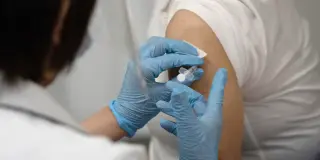
The FDA approved an injectable form of Merck's key cancer drug Keytruda, offering a quicker, less invasive alternative to infusions, though Merck's stock declined despite the news. The new formulation aims to maintain sales as biosimilars enter the market and is expected to be adopted by 30-40% of patients within 18-24 months, especially in early-stage cancers.
The FDA approved Merck's new subcutaneous version of Keytruda, a popular cancer drug, which offers quicker and easier administration but is likely to maintain high prices and slow the adoption of cheaper alternatives, raising concerns about increased healthcare costs.
Merck received positive EU CHMP opinions for its cancer drug KEYTRUDA, including approval for subcutaneous administration and a new indication for earlier-stage head and neck cancer, potentially expanding treatment options in Europe.
Summit Therapeutics' lung cancer drug ivonescimab showed promising overall survival and progression-free survival results in a Phase 3 trial, but regional differences, especially between Western and Chinese patients, have raised concerns about its competitive potential against Merck's Keytruda, leading to a decline in the company's stock.
Merck reported better-than-expected Q2 earnings but its stock fell due to concerns over sales declines, patent expirations, and regulatory challenges, alongside plans for significant cost-cutting and strategic investments, including acquisitions and pipeline development.
The FDA has approved Merck's KEYTRUDA (pembrolizumab) for perioperative treatment of resectable locally advanced head and neck squamous cell carcinoma expressing PD-L1, based on trial data showing a 30% reduction in event-free survival events, potentially shifting treatment standards for this cancer type.
Jeff Cook, diagnosed with stage four lung cancer in 2019, became cancer-free after two years of treatment with the immunotherapy drug pembrolizumab (Keytruda), highlighting the potential of new cancer treatments to significantly improve survival rates.