
CAR T Cell Therapy Evolves: From Blood Cancer Success to Solid Tumor Challenges
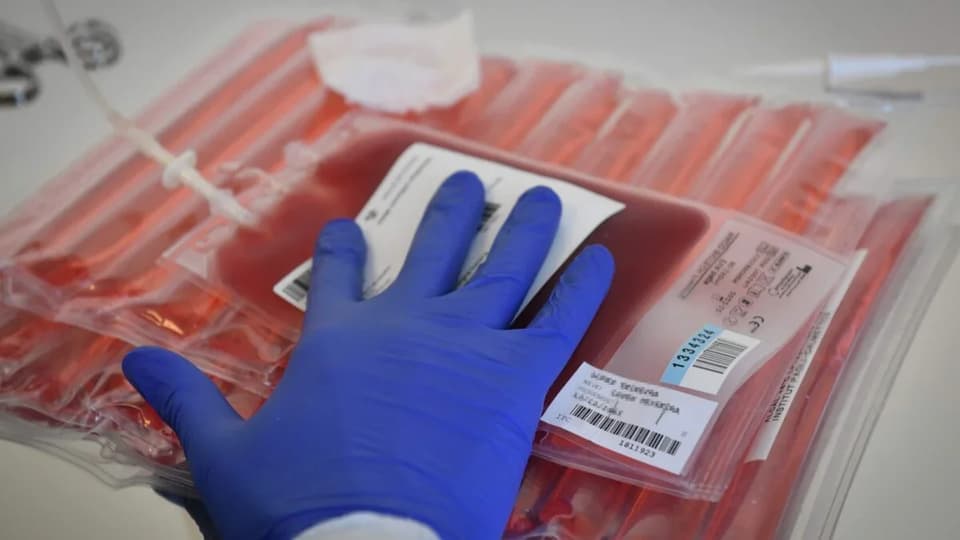
CAR T cell therapy has transformed blood cancer treatment, achieving high survival rates, but faces hurdles in cost, side effects, and expanding to solid tumors. Recent FDA approvals for myeloma and myeloproliferative disorders highlight broader immunotherapy advances, while experts debate next-generation designs and accessibility.
Key points
- CAR T cell therapy, approved in the U.S. in 2017, uses genetically reprogrammed T cells to target blood cancers like B-cell cancers and multiple myeloma, offering potential cures for previously fatal cases.
- The U.S. five-year cancer survival rate reached 70% in 2026, driven by advances like CAR T, preventive screening, and reduced risk factors such as smoking.
- Challenges include high costs, production delays, cytokine release syndrome, and 'antigen escape,' where tumors stop expressing target proteins, allowing cancer to regrow.
- Solid tumors pose greater difficulties due to complex immune-suppressive microenvironments and heterogeneous antigen expression, unlike blood cancers.
- In August 2026, the FDA approved Zenbexus (iberdomide) for relapsed multiple myeloma, Mimrylo (rusfertide) for polycythemia vera, and Besremi for essential thrombocythemia, expanding treatment options.
- Experts advocate for 'armored' CAR T cells that deliver cytokines to boost immune responses, though this risks exacerbating side effects like cytokine release syndrome.
Background
Recent archive coverage highlights broader cancer trends, including a Lancet study linking alcohol to rising cancer deaths and a UT Austin metabolic drug targeting cancer cell metabolism. The NHS-Galleri trial showed mixed results for multi-cancer blood tests, underscoring the complexity of early detection. These developments contextualize the current focus on immunotherapy and targeted treatments in oncology.
How outlets are covering it
Gizmodo emphasizes CAR T's potential as a 'living drug' with a higher ceiling than traditional therapies, citing Renier Brentjens' work on next-generation designs and the need to overcome solid tumor barriers. Cure Today focuses on recent FDA approvals, highlighting Zenbexus for myeloma and the shift toward quadruplet first-line therapy, while noting that stem cell transplantation remains curative for myeloproliferative disorders. Mayo Clinic underscores leukemia's unique nature and the role of genetic testing in guiding chemo-free regimens, stressing early diagnosis. While all sources agree on progress, Gizmodo highlights long-term innovation, Cure Today details immediate clinical shifts, and Mayo Clinic focuses on patient education and symptom recognition.
Why it matters
CAR T cell therapy represents a paradigm shift in cancer treatment, offering curative potential for blood cancers and driving innovation in immunotherapy. Overcoming challenges like cost, side effects, and solid tumor efficacy could expand access and improve survival rates. Recent FDA approvals and MRD testing advancements signal a move toward personalized, precision medicine, potentially reducing reliance on traditional chemotherapy and improving quality of life for patients.
What to watch
Near-term developments include next-generation CAR T constructs, reduced production costs, and frontline integration. Long-term success depends on adapting CAR T for solid tumors, possibly using 'armored' designs. Clinical trials for off-the-shelf and in vivo approaches will continue, but autologous cells remain the standard. MRD testing will further guide treatment decisions, and combination therapies with CELMoDs like iberdomide may enhance CAR T efficacy. Monitoring side effects and refining immune responses will be critical.
- Living Drugs Transformed Blood Cancer Treatment—and That’s Just the Beginning Gizmodo
- Three August Blood Cancer Approvals and What They Mean for Care Cure Today
- Mayo Clinic Minute: Leukemia isn’t like other cancers (VIDEO) Mayo Clinic News Network
- Life-Years Saved Captures Gains—and Gaps—in Blood Cancer Treatment Targeted Oncology
- CAR T and Bispecifics Reshape Blood Cancer Treatment Targeted Oncology
Want the full story? Read the original reporting
Read on Gizmodo