
Cyclospora Outbreak Winding Down: FDA Confirms Recalled Lettuce Removed, But Investigation Continues
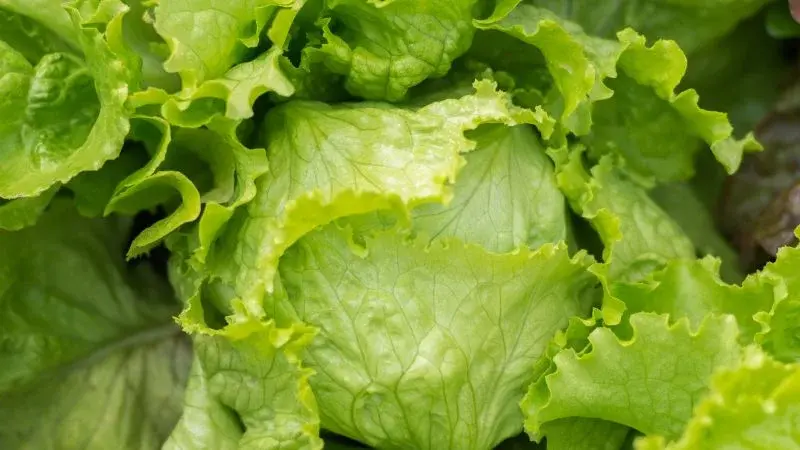
The FDA states that all recalled iceberg lettuce linked to the cyclosporiasis outbreak is off the market, making it generally safe to eat lettuce again. However, the CDC reports 19,883 total cases for the 2026 season, with 11,458 specifically linked to the lettuce outbreak across 20 states. Experts advise avoiding recalled products but maintaining standard food safety practices, as the official investigation remains open due to reporting delays.
Key points
- FDA confirms all recalled Taylor Farms iceberg lettuce is removed from stores and restaurants.
- CDC reports 19,883 laboratory-confirmed cyclosporiasis cases in the US for the 2026 season.
- 11,458 cases are specifically linked to the lettuce outbreak, with 495 hospitalizations and 2 deaths.
- Experts advise that eating non-recalled lettuce is safe, but recommend cooking vegetables for extra caution.
- The outbreak investigation remains open due to a six-week lag in case reporting and ongoing cluster analysis.
Background
This outbreak began in mid-2026, with initial concerns raised in July after illnesses were linked to Taco Bell locations. Previous coverage noted that while the recall was initiated in July, public anxiety persisted into August due to the long incubation period of the parasite. Earlier reports highlighted that while the immediate risk from recalled products decreased, the broader investigation into other potential sources continued.
How outlets are covering it
CNN and U.S. News & World Report emphasize that the immediate consumer risk has passed, as the FDA confirms the recalled product is no longer available. They cite experts who state that eating current lettuce is safe, provided it is not part of the recall. In contrast, USA Today highlights the political and corporate scrutiny surrounding Taylor Farms, noting allegations of obstruction and political donations, which adds a layer of regulatory controversy to the health crisis. The CDC provides the broader epidemiological context, showing that while the lettuce-linked cases are declining, the total number of cyclosporiasis cases for the season is unprecedented compared to 2025.
Why it matters
This situation impacts food safety confidence and consumer behavior regarding fresh produce. While the immediate threat from the specific recalled product is resolved, the high number of cases and ongoing investigation underscore the importance of food hygiene and the challenges in tracking foodborne illnesses with long incubation periods. It also highlights the role of corporate accountability in public health crises.
What to watch
The CDC and FDA will continue to monitor case reports for several more weeks to officially declare the outbreak over. They will also investigate other clusters of cyclosporiasis that are not linked to the lettuce. Consumers are advised to continue practicing safe food handling, such as washing produce and cooking vegetables, to minimize risk from other potential sources.
- Is it safe to eat lettuce yet? What to know as cyclosporiasis outbreak lingers CNN
- With Shoppers Wary of Illness, Farmers Destroy Millions of Heads of Lettuce The New York Times
- Cyclospora Case Data | Cyclosporiasis cdc.gov
- Lettuce-linked parasite confirmed in 3 new states. See outbreak map USA Today
- Could It Be The Season Of Explosive Diarrhea? Recalled Lettuce Is Off Shelves But Cyclospora Cases Keep Rising U.S. News & World Report
Want the full story? Read the original reporting
Read on CNN