
FDA Mandates New Eye Safety Warnings for GLP-1 Drugs Amid Rare Blindness Concerns
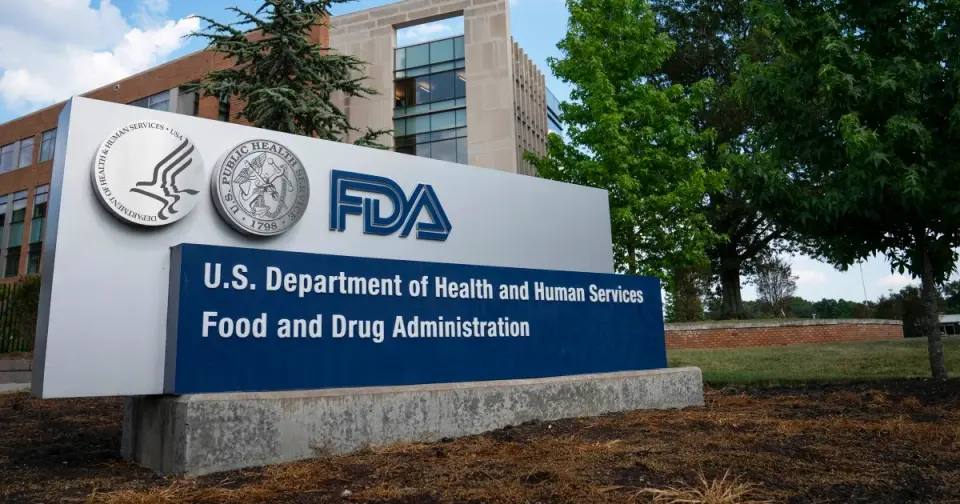
The FDA has required manufacturers of GLP-1 drugs, including Ozempic and Zepbound, to add warnings about a rare eye condition called NAION that can cause sudden, permanent vision loss. This decision follows a review of clinical data and adverse event reports, though the agency notes no clear mechanism links the drugs to the condition.
Key points
- The FDA issued a safety communication on November 9, 2026, requiring all GLP-1 receptor agonists to include warnings about nonarteritic anterior ischemic optic neuropathy (NAION).
- NAION is a rare condition caused by reduced blood flow to the optic nerve, resulting in sudden, painless vision loss that is often permanent and has no known cure.
- The warning applies to major weight-loss and diabetes medications, including Novo Nordisk’s Ozempic and Wegovy, and Eli Lilly’s Mounjaro and Zepbound.
- A 2024 study in JAMA Ophthalmology found that diabetes patients prescribed semaglutide were four times as likely to develop NAION compared to those not taking the drug.
- The FDA reviewed adverse event reports and clinical trial data but could not identify a biological mechanism explaining how GLP-1 drugs might increase the risk of NAION.
Background
This regulatory action follows a surge in litigation against GLP-1 manufacturers. In September 2026, over 200 lawsuits were filed in federal court, alleging that drugs like Ozempic caused irreversible vision loss without adequate warning. One notable case involved a Massachusetts man who claimed total blindness after using the drug for one year. Additionally, the European Medicines Agency had previously flagged the risk, noting that NAION may affect up to 1 in 10,000 people taking semaglutide for at least one year.
How outlets are covering it
While the FDA confirmed a potential increased risk, pharmaceutical companies offered differing interpretations. Novo Nordisk stated that the data does not establish a cause-and-effect relationship and that the benefits of their drugs outweigh the risks. Eli Lilly acknowledged the update but emphasized that the FDA’s communication does not reference findings specific to their products. Citi analyst Geoff Meacham suggested that while the warning may cause temporary concern, the rarity of NAION and the substantial benefits of GLP-1 drugs for weight and cardiovascular health should limit changes in prescribing habits. The FDA itself noted that while cases have been reported for all marketed GLP-1 drugs, the underlying cause of the link remains unclear.
Why it matters
GLP-1 drugs have become widely prescribed for weight loss and diabetes management, affecting millions of patients. The FDA’s decision to mandate new warnings highlights the importance of monitoring rare but severe side effects in large-scale drug usage. Patients and healthcare providers are now advised to be aware of symptoms such as sudden vision loss, which could indicate NAION, a condition with no current treatment.
What to watch
Manufacturers are expected to update their drug labels to include the new warnings in the 'warnings and precautions' section. The FDA will continue to monitor adverse event reports and clinical data to better understand the relationship between GLP-1 drugs and NAION. Patients are encouraged to report any vision changes to their healthcare providers.
- FDA orders new warning on GLP-1s over rare eye condition linked to sudden blindness NBC News
- US FDA orders new eye risk warnings for Ozempic, Zepbound CNN
- FDA warns GLP-1 drugs carry potential risk of rare eye condition STAT
- US regulator orders makers of weight-loss drugs to carry blindness risk warning Financial Times
- FDA adds warning label to obesity drugs for eye condition The Seattle Times
Want the full story? Read the original reporting
Read on NBC News