
FDA Panel Split on Galleri Blood Test Amid Mixed Trial Data
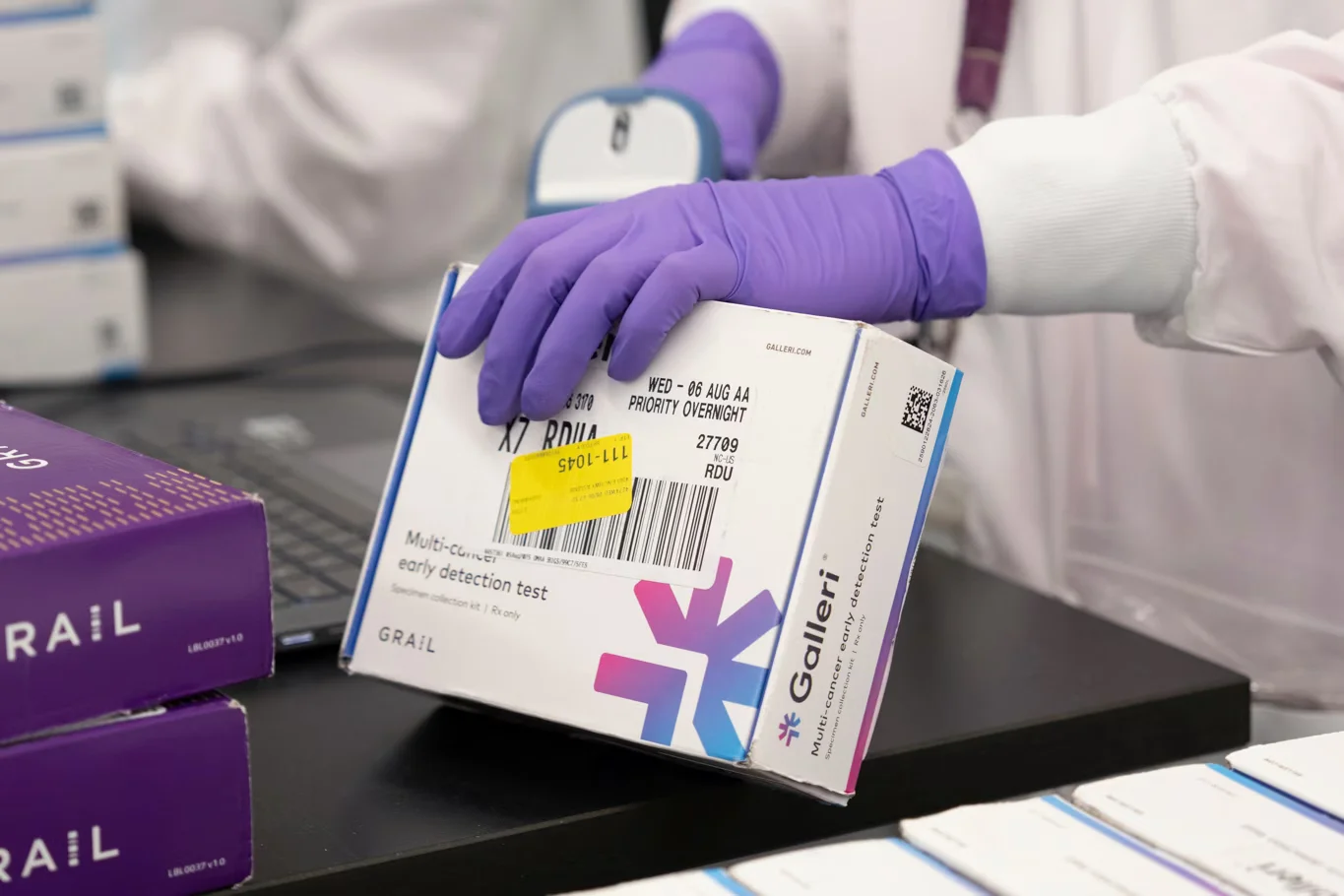
A divided FDA advisory panel narrowly endorsed the Galleri blood test, which screens for over 50 cancer types, despite concerns about its efficacy. The test costs nearly $1,000 and is not yet approved, with final FDA decisions expected in coming months.
Key points
- The FDA’s 10-member Medical Devices Advisory Committee voted 6-4 to affirm Galleri’s effectiveness and 7-2 that its benefits outweigh risks, though all members agreed on its safety.
- Galleri, manufactured by Grail, detects DNA fragments in blood to screen for more than 50 cancers, including those without current screening methods, and has been sold in the US since 2021 without FDA approval.
- A major trial by England’s National Health Service involving over 140,000 participants failed to show a significant reduction in late-stage cancer diagnoses, raising questions about the test’s clinical utility.
- Grail proposes using Galleri for adults aged 50 and older as a supplement, not a replacement, for existing screenings, with a cost of nearly $1,000 per test.
- The FDA is expected to make a final approval decision in the coming months, which could enable coverage by private insurance and Medicaid.
Background
Multi-cancer early detection tests have gained attention as potential alternatives to invasive screenings. Previous coverage highlighted the NHS-Galleri trial’s mixed results and ongoing studies like UNC’s Vanguard Study, which aim to evaluate blood-based tests for broader adoption. These efforts reflect a growing interest in liquid biopsies to improve early cancer detection, particularly for cancers lacking established screening protocols.
How outlets are covering it
The Washington Post emphasizes the controversy surrounding Galleri, noting the divided FDA panel and the NHS trial’s failure to reduce late-stage diagnoses. It highlights concerns from experts like Scott Ramsey and Eric Topol about false negatives and the lack of proof that the test reduces cancer mortality. In contrast, Mayo Clinic News Network focuses on a prospective study (PATHFINDER 2) showing Galleri’s ability to detect 17 cancer types with a 99.64% specificity, framing it as a complementary tool to existing screenings. While the Post stresses skepticism about efficacy, Mayo Clinic highlights the test’s potential to identify cancers without current screening methods, though both acknowledge the need for further research and caution against replacing established screenings.
Why it matters
Approval of Galleri could transform cancer screening by offering a less invasive, multi-cancer detection method, potentially improving access for cancers lacking current screening protocols. However, unresolved questions about efficacy, false positives/negatives, and cost remain critical barriers to widespread adoption and insurance coverage.
What to watch
The FDA will make a final decision on Galleri’s approval in the coming months, following the advisory committee’s recommendation. If approved, the test could become covered by private insurance and Medicaid, expanding access for adults aged 50 and older. Further studies, including randomized trials, are needed to confirm its clinical utility and address concerns about false results.
- One blood test could screen you for 50 cancers. Here’s why it’s controversial. The Washington Post
- FDA advisory panel recommends a first: multi-cancer blood test NPR
- US FDA advisers endorse Grail cancer test's benefits in key vote Reuters
- Multicancer blood test detects 17 cancer types in large prospective study Mayo Clinic News Network
- Grail’s Multi-Cancer Blood Test Gets FDA Committee Vote for Premarket Approval wsj.com
Want the full story? Read the original reporting
Read on The Washington Post