Tag

Liquid Biopsy

All articles tagged with #liquid biopsy

New Urine RNA Test Detects 95% of Bladder Cancers and Predicts Treatment Response
health-and-science7 days ago

New Urine RNA Test Detects 95% of Bladder Cancers and Predicts Treatment Response

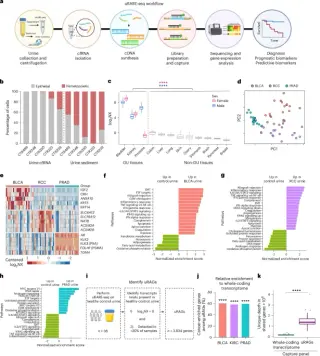
Researchers at Stanford Medicine and the VA Palo Alto Health Care System developed uRARE-seq, a urine-based liquid biopsy that detects localized bladder cancer with 95% sensitivity and 90% specificity. Unlike DNA-based tests, this method analyzes cell-free RNA to assess tumor activity, distinguishing between low- and high-grade cancers. The test also predicts whether patients will respond to BCG immunotherapy or require chemotherapy, potentially reducing the need for invasive cystoscopies and optimizing treatment allocation.

MiRNA Blood Test PANXEON Boosts Early Pancreatic Cancer Detection
health23 days ago

MiRNA Blood Test PANXEON Boosts Early Pancreatic Cancer Detection

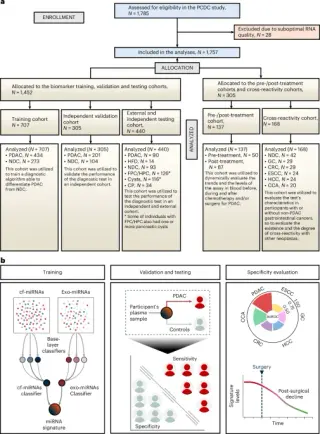
Researchers developed PANXEON, a blood-based microRNA signature combined with CA19-9, to detect early-stage pancreatic ductal adenocarcinoma (PDAC). In a multinational prospective study with 1,785 participants, the miRNA panel achieved AUROC of 88.6% and 83.8% sensitivity for early-stage PDAC, with minimal cross-reactivity to other GI cancers. When combined with CA19-9, sensitivity reached 86.8% for stage I–II PDAC, and false-positive rates were 3.2% in low-risk and 15.6% in high-risk controls. PANXEON also showed potential for detecting high-grade dysplasia in high-risk cysts (64.3%). The authors suggest PANXEON could complement existing early-detection strategies but require larger prospective studies for clinical adoption.

AI-Driven Blood Test Detects Liver Cancer Across Diverse Populations
health2 months ago

AI-Driven Blood Test Detects Liver Cancer Across Diverse Populations

Johns Hopkins researchers validated an AI-powered DELFI liquid biopsy that detects liver cancer across two geographically and biologically distinct populations (Guatemala and Romania). When combined with AFP and basic risk factors, the test identified both early- and late-stage cancers with greater sensitivity than current blood tests, by analyzing genome-wide DNA fragment patterns that reflect signals from tumor, liver cells, blood vessels, and immune responses. The study also noted region-specific molecular signatures (e.g., aflatoxin-associated patterns in Guatemala) while the overall classifier remained effective across cancer causes. Future work will include prospective validation and integrating fragmentome analysis with other biomarkers for even earlier detection.

MethylScan: A Low-Cost Blood Test for Early, Multi-Disease Detection
biotechnology5 months ago

MethylScan: A Low-Cost Blood Test for Early, Multi-Disease Detection

UCLA researchers report MethylScan, a simple, affordable test that analyzes DNA methylation in circulating cell-free DNA to detect multiple cancers and liver diseases, and to indicate tissue of origin and organ health. In 1,061 samples, it achieved about 98% specificity, ~63% cancer detection across stages (~55% for early-stage) and ~80% detection of liver cancers in high‑risk groups, with a sequencing depth of ~300× costing under $20 per test as costs fall. By reducing background DNA, it functions as a system-wide health monitor, though larger prospective studies are needed to confirm real-world effectiveness.

The bold promise of multi-cancer blood tests hits real-world limits
health7 months ago

The bold promise of multi-cancer blood tests hits real-world limits

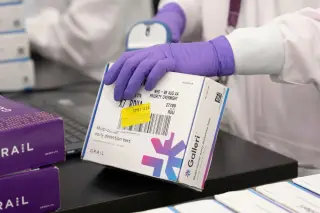
Multi-cancer early detection (MCED) blood tests, including Galleri, promise to detect dozens of cancers from one blood sample, but few have robust randomized trial data; the NHS-backed Galleri trial failed to show improved outcomes in reducing late-stage cancers, and while tests boast high specificity, sensitivity varies and the risk of false positives can lead to anxiety and unnecessary follow-ups, leaving regulators and clinicians cautious until stronger evidence accumulates.

Cancer’s Hidden Barcode: OncRNA Signatures Map Tumor Identity and Treatment Response
science8 months ago

Cancer’s Hidden Barcode: OncRNA Signatures Map Tumor Identity and Treatment Response

Researchers mapped hundreds of thousands of cancer-specific small RNAs (oncRNAs) that act as digital barcodes to identify cancer type, subtype, and aggressiveness. Many oncRNAs are secreted into blood, enabling a simple serum test to monitor treatment response and predict survival. The work blended large-scale genome analysis, machine learning, mouse experiments, and data from nearly 200 breast cancer patients, finding about 5% of oncRNAs can drive tumor growth. The discovery points to a new, blood-based approach for real-time cancer monitoring and personalized therapy, with ongoing development in collaboration with Exai Bio.

Blood test flags effective breast cancer therapies before treatment starts
health8 months ago

Blood test flags effective breast cancer therapies before treatment starts

A London study shows a simple liquid biopsy measuring circulating tumour DNA (ctDNA) in advanced breast cancer can predict treatment response before starting therapy and after one cycle. In 167 patients, lower ctDNA levels were associated with better outcomes, suggesting this test could guide personalized treatment and spare ineffective drugs, with trials exploring adaptive strategies and newer therapies.

Advances in Blood Tests Promise Early Detection and Improved Cancer Outcomes
health9 months ago

Advances in Blood Tests Promise Early Detection and Improved Cancer Outcomes

New blood tests capable of detecting multiple cancers simultaneously show promise for earlier diagnosis and improved cancer care, but currently face challenges such as high false-positive rates, lack of standardization, and integration into clinical practice. Experts believe these tests will improve over time and could revolutionize cancer diagnostics, though more research and validation are needed.