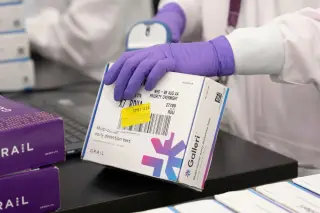
A divided FDA advisory panel narrowly endorsed the Galleri blood test, which screens for over 50 cancer types, despite concerns about its efficacy. The test costs nearly $1,000 and is not yet approved, with final FDA decisions expected in coming months.
A large US study shows a blood test detects more cancers early, but a UK trial found no overall reduction in late-stage diagnoses, sparking debate over regulatory standards.
Presley Gerber, 27, died at a Santa Monica rehabilitation facility on September 20, 2026, with authorities investigating the incident as a suspected overdose. While final toxicology results are pending, addiction specialist Dr. Drew Pinsky cited Gerber’s prior use of ibogaine in Mexico as a critical red flag. Pinsky argued that allowing patients to dictate their own care, particularly by seeking unapproved alternative therapies, often leads to relapse and fatal outcomes. CNN provided context on ibogaine, a Schedule I substance derived from an African shrub, noting that while it is being studied for addiction and mental health, it carries significant cardiac risks and remains illegal in the U.S. outside of clinical trials.
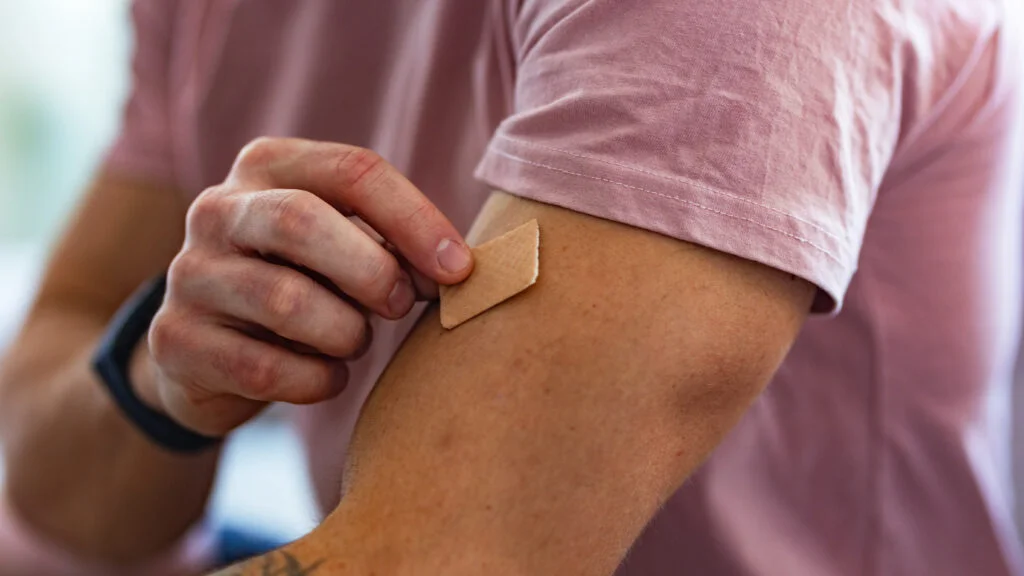
Social-media promotions tout patches that allegedly deliver vitamins, herbs, and other ingredients through the skin to boost mood or clarity. While transdermal delivery is real for some drugs, experts say many supplement ingredients aren’t effectively absorbed through the skin, and solid evidence or regulatory backing for these patches is lacking.
There is no FDA-approved testosterone product for women, so clinicians rely on off-label or compounded regimens to treat menopausal symptoms such as low sexual desire, leading to dosing, safety, and insurance challenges; an FDA workshop is reviewing evidence gaps and safety to determine whether standardized access and guidelines are feasible, spurred by patient and clinician advocacy.
The FDA’s OTC pathway now covers smartphone-connected earbuds, with Samsung Galaxy Earbuds and Apple AirPods among the first to qualify, enabling pre-defined audio profiles, wireless device interaction, and phone-based hearing tests. While not a substitute for full audiology, this shift makes advanced hearing assistance more accessible and is shaping open-hardware efforts in the space.
UniQure’s Huntington’s disease gene therapy AMT-130 is back on track for FDA accelerated approval after the ouster of Vinay Prasad and other Trump-era regulators; the agency now accepts a standard-care control arm instead of sham surgeries, with a filing anticipated in Q3.
A Guardian investigation shows a booming US market for unapproved stem cell infusions marketed to autistic children, with families paying tens of thousands despite scant evidence of effectiveness and notable safety concerns. The piece links this growth to political moves by RFK Jr and allies to loosen FDA oversight, describes state efforts like Florida’s permissive stance, and contrasts hopeful anecdotes with controlled trials (Duke and Sutter Health) that found little to no autism improvement, highlighting the risk of exploitation for vulnerable families while regulators grapple with how to respond.
RFK Jr. pulled the FDA’s long-delayed proposal to ban minors from using tanning beds and require risk disclosures, prompting disappointment from dermatologists who warn that indoor tanning delivers concentrated UV radiation and raises melanoma risk. The WHO classifies tanning beds as a Group 1 carcinogen, and while many states already restrict youth access, the federal rule is paused to reconsider, leaving a patchwork of protections in place.
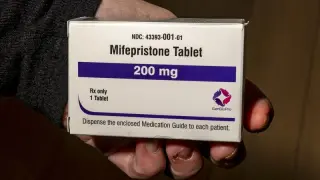
A federal appeals court temporarily reinstated a nationwide in-person dispensing rule for the abortion pill, limiting telehealth access that had expanded after Dobbs. Louisiana had challenged the FDA’s rules, arguing the regulations allow out-of-state prescribers to bypass state bans. The Fifth Circuit’s decision marks a significant development in the ongoing legal fight over mifepristone access and safety amid the broader abortion rights debate.
GLP-1–based drugs like Wegovy mark a turning point in obesity treatment, delivering greater weight loss than diet and exercise alone, but many past approaches failed due to dangerous side effects or limited effectiveness. DNP could rapidly boost metabolism but caused overheating and deaths; lap-band surgery carried long-term complications; Fen-Phen was linked to heart valve disease and pulled from the market; Lorcaserin raised cancer risk and was withdrawn; rainbow pills involved unsafe drug combos and high mortality; Ephedra caused strokes and was banned. Today’s therapies show promise but require caution around maintenance, side effects, and long-term outcomes as we continue shifting obesity treatment forward.
Hims & Hers Health shares jumped about 13% in regular trading after RFK Jr. suggested the FDA may ease restrictions on peptide therapies, lifting sentiment for the healthcare/biotech sector.
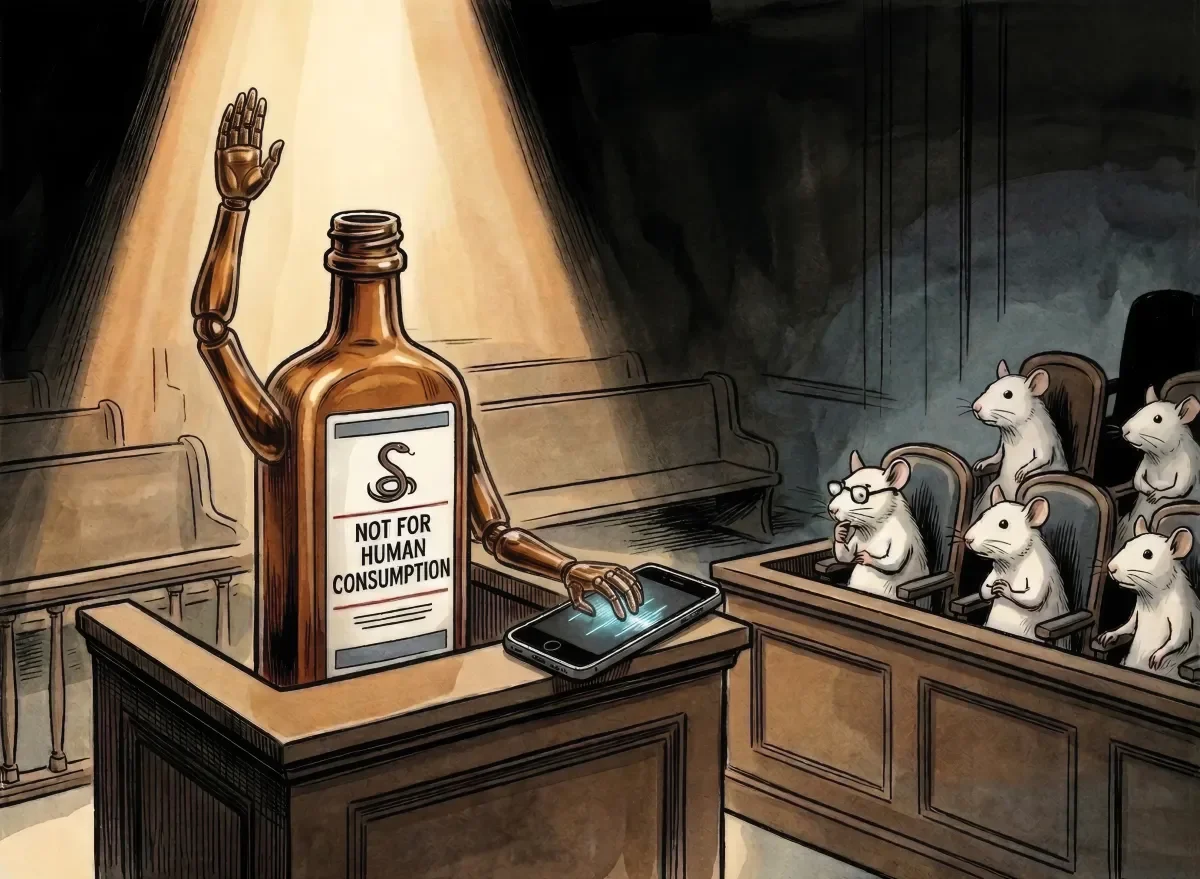
A Skeptic Magazine piece warns that although FDA‑approved peptide drugs have advanced medicine, a growing grey-market of unapproved, self-injected peptides sold online poses serious risks: unknown ingredients, immunogenic reactions, potential cancer-related angiogenesis, contamination, and scant human data. It contrasts legitimate peptide pharmacology with unsafe, unregulated products, discusses FDA regulatory shifts that don’t guarantee safety or efficacy, and argues that true medical progress requires rigorous trials, physician oversight, and quality controls rather than influencer hype and DIY injections.
Every Cure, founded by Dr. David Fajgenbaum, uses AI to scan existing drugs for new uses across thousands of rare diseases, pursuing a disease-agnostic approach that links patients with potential treatments rather than funding specific conditions; after early fundraising hurdles, it gained major support from the Chan Zuckerberg Initiative, Lydia Hill Foundation, Flagship Pioneering, Arnold Ventures, TED’s Audacious Project, and ARPA-H, enabling 10 active programs and a goal of 15–25 diseases treated by 2030. The AI process cuts screening time from 100 days to about 17 hours, evaluating roughly 4,000 drugs against 18,000 diseases (about 75 million matches) before a medical team selects candidates for lab work and trials costing roughly $3–7 million per drug. A recent success example is Bachmann-Bupp syndrome, where an old drug produced meaningful improvements in five of six treated patients. Fajgenbaum stresses repurposing complements novel drug development, though patent life, manufacturing, FDA/insurance hurdles, and off-label prescribing shape the path to patient access.
A wellness and productivity trend around nicotine is surging among biohackers and startups, with products like nicotine pouches marketed as cognitive enhancers and performance tools. While some research suggests potential benefits for certain cognitive impairments, experts say benefits for healthy individuals are likely marginal and addiction risk remains. The FDA has authorized only a couple of nicotine products so far and is taking enforcement action against unapproved items, creating regulatory risk for many brands. The trend raises concerns about nonsmokers and youths starting nicotine, as influencers frame the substance in edgy, health-boosting terms while legacy tobacco companies push similar messaging through branding.