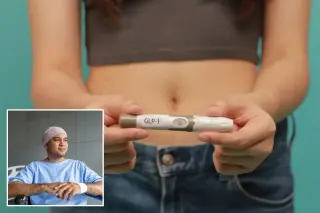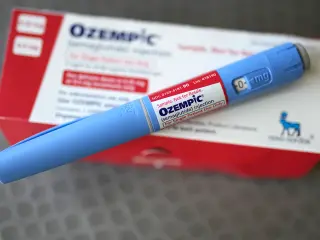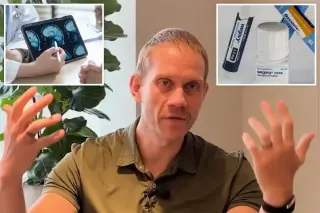
A Rutgers study suggests GLP-1 medications such as Ozempic and Wegovy may dampen impulsivity and alcohol use by affecting brain reward/self-control pathways, a possible factor in the U.S. decline in violent crime, though experts caution that correlation is not causation and long‑term effects remain uncertain.
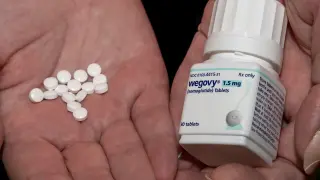
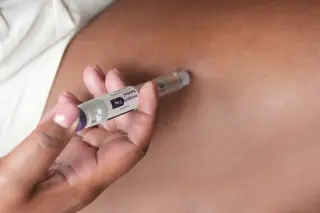
Oral Wegovy (a GLP-1 weight‑loss pill) must be taken on an empty stomach with plain water, not with coffee or other beverages that can affect absorption. The FDA label requires a 30‑minute fasting window after taking the tablet before eating, drinking other beverages, or taking other meds. A typical morning routine is take Wegovy with water, wait 30 minutes, then eat and drink separately. GLP-1 medications can slow stomach emptying, so avoid mixing with other oral medicines and consult a clinician for personal guidance.
Coffee or other drinks can impair absorption of the oral GLP-1 weight-loss pill Wegovy; take the tablet with up to 4 ounces of water on an empty stomach and wait at least 30 minutes before eating or taking other medications.
A growing number of families are turning to pediatric GLP-1 therapies such as Wegovy and Zepbound to treat obesity and related health problems in children, hoping to jump‑start healthier habits and prevent long‑term disease. While clinicians say there can be real medical benefits beyond weight loss, experts caution about unknown long‑term effects on development, potential puberty impacts, access barriers, and social stigma; use remains relatively rare but is expanding in pediatric care.
BBC follows comedian Steffen Peddie’s personal use of weight-loss injections (Wegovy) to shed over 8 stone and examines why men discuss such treatments less openly than women. With about 1.6 million adults in England, Wales and Scotland estimated to have used weight-loss drugs in 2024–25 (often bought privately), the piece shares men’s experiences, the stigma and privacy surrounding use, reported side effects, and medical calls for open discussion and routine monitoring to ensure safe, effective use.
GLP-1 drugs such as Ozempic and Wegovy are proving their value goes far beyond shrinking waists: trials show they can reduce sleep-apnea interruptions, lower the risk of kidney failure in type 2 diabetes with CKD, reverse fatty liver inflammation, ease knee pain in obesity, and lower major cardiovascular events even in people without diabetes. The broader takeaway is that these medicines may offer broad health benefits beyond weight loss, a reminder of medicine’s “happy accidents.” Yet they come with caveats—weight loss often includes lean muscle loss, cost and access barriers persist, and social stigma around weight remains a challenge.
Eli Lilly beat estimates again, lifted full-year guidance, and extended its lead in the GLP-1 obesity/diabetes market with strong demand for Mounjaro and Zepbound, sending the stock higher. Novo Nordisk also beat and raised guidance but faced investor skepticism over its growth trajectory after Wegovy missed expectations, mixed results for its experimental CagriSema, and concerns about pipeline diversification. The market remains bifurcated: Lilly is seen as the momentum winner, while Novo grapples with turning around its growth story despite European expansion and Wegovy's continued rollout, including a September German launch.
Novo Nordisk posted a solid Q2 but issued 2026 guidance that investors deemed softer than expected: adjusted sales are now seen as down 6% to flat and adjusted operating profit down 6% to flat at constant FX, due to U.S. GLP-1 price pressure, intensified competition and Medicaid coverage headwinds. Q2 sales rose 3% in constant currency to 78.49 billion kroner, with Wegovy pill sales of 3.22 billion kroner, and the Wegovy pill has surpassed 5 million prescriptions since January; Eli Lilly results are watched on the same day to gauge ongoing competition in the GLP-1 space.
Comedian Amy Schumer posted unfiltered bikini photos to showcase her weight-loss progress, detailing her journey with diabetes drugs, including Mounjaro after previously trying Ozempic and Wegovy and experiencing severe nausea due to a genetic predisposition, and noting health steps like perimenopause hormone therapy and a past Cushing syndrome diagnosis.
Novo Nordisk’s shares tumbled after late-stage results showed ziltivekimab, an IL-6 pathway blocker, did not reduce major adverse cardiovascular events (MACE) versus placebo in patients with ASCVD, CKD and elevated inflammation; while the drug showed a biological effect, it failed to show a statistically meaningful MACE benefit and serious infections were more common, with no difference in overall mortality. The company says the result doesn’t change its cardiovascular strategy as it faces U.S. market pressure and Eli Lilly’s competing therapies, and investors will watch next week’s Q2 earnings for pipeline updates.
Starting July 1, 2026, Medicare will offer Wegovy and other GLP-1 weight‑loss drugs for a $50 monthly copay through a temporary GLP‑1 Bridge outside Part D that runs through December 31, 2027. Eligibility is tightly restricted by BMI and comorbidities and requires Part D enrollment; those with type 2 diabetes, sleep apnea, or certain liver diseases are excluded and must pursue Part D coverage instead. The $50 copay is outside Part D and does not count toward deductibles or the $2,100 out‑of‑pocket limit. Beneficiaries should verify their plan, gather medical documentation, and work with a clinician to determine if they meet the three eligible tiers.
Medicare's GLP-1 Bridge Program runs July 1, 2026 through December 31, 2027, giving Part D beneficiaries access to GLP-1 weight‑loss medications (Wegovy, Ozempic, Zepbound, Foundayo) prescribed for weight loss with a flat $50 copay. Eligibility uses BMI thresholds (no underlying condition: BMI 35+; with condition: BMI 27+). The program is managed centrally outside standard Part D; providers submit prior authorization, and coverage is nationwide. The drugs covered include Wegovy and Foundayo, plus Zepbound KwikPen. The $50 copay doesn't count toward deductibles or the out‑of‑pocket limit. GLP‑1 drugs can yield 14–20% weight loss per year, but stopping typically leads to regain and side effects like nausea; the drugs are often intended to be used long‑term.
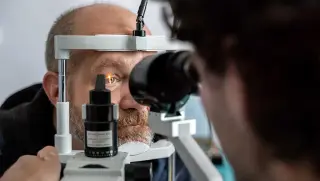
Australia’s TGA warns of a rare but serious eye disorder called NAION linked to GLP-1 medicines such as Ozempic, Wegovy and Mounjaro; 36 cases have been reported (23 with Ozempic/Wegovy, 10 with Mounjaro, 3 with Saxenda), prompting updated safety warnings but no prescription restrictions. Patients should seek urgent medical attention for sudden vision loss, while doctors are advised not to stop treatment without consultation. Novo Nordisk says the benefit–risk profile remains favorable given the drugs’ overall impact on diabetes and obesity.
A BMJ study of about 50,000 people finds GLP-1 receptor agonists (used for diabetes and obesity, including Wegovy, Ozempic and Mounjaro) are associated with a higher risk of hair loss compared with other diabetes drugs; after adjustment, risk was 37% higher than SGLT-2 inhibitors and 68% higher than DPP-4 inhibitors, with indications that the hair loss is non-scarring and may relate to weight loss, micronutrient deficiencies, or hormonal changes; regulators are reviewing safety signals.
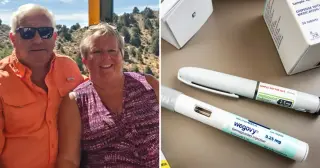
Novo Nordisk filed a lawsuit alleging Eli Lilly’s GLP-1 weight‑loss ads mislead viewers by comparing Wegovy to Zepbound using Wegovy’s lower-dose data from outdated studies while ignoring Wegovy’s own high‑dose results; Lilly says the ads disclose that the high‑dose Wegovy data isn’t included and defends the head‑to‑head trial as the gold standard.