
Health Canada and FDA Mandate GLP-1 Vision Loss Warnings Amid Rising Lawsuits
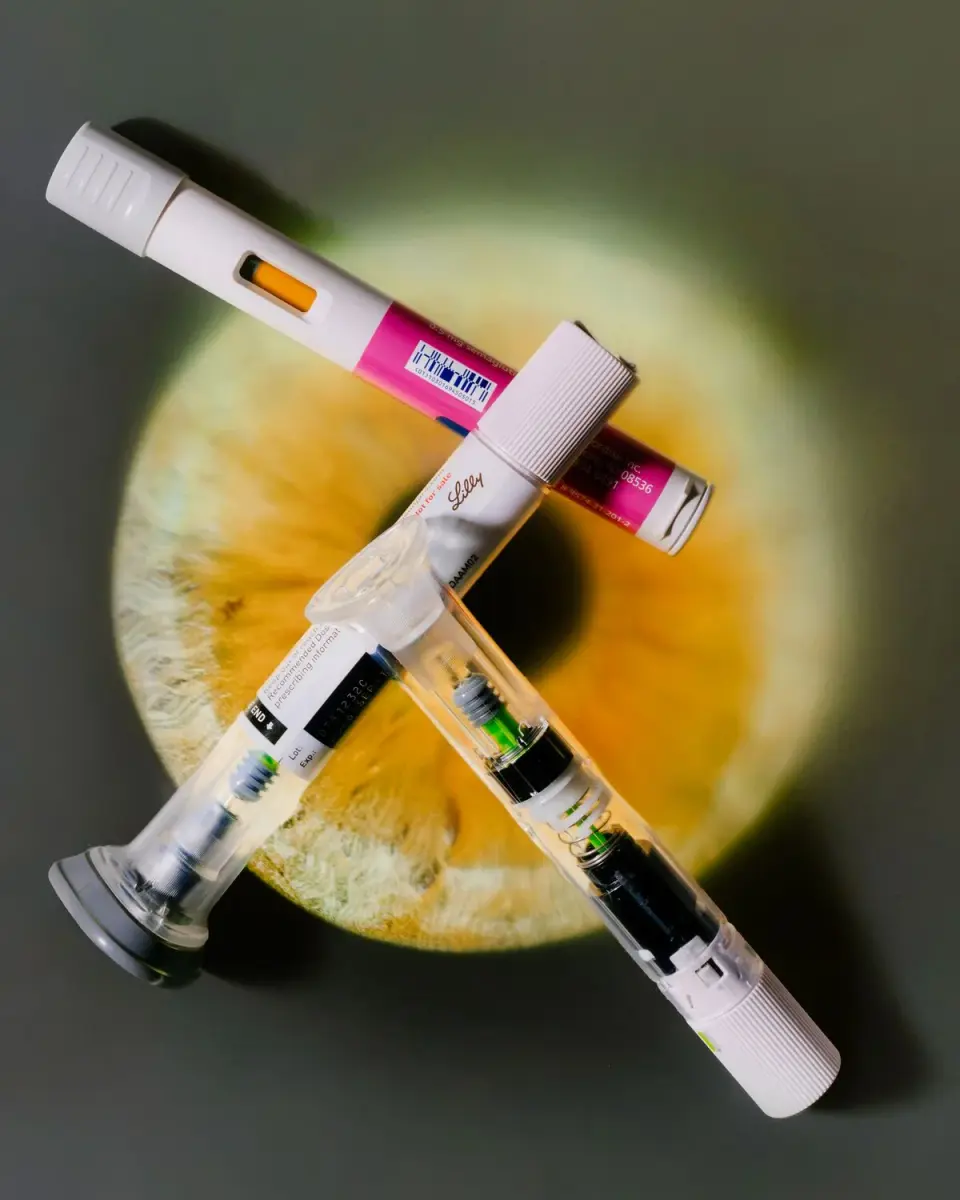
Health Canada and the U.S. FDA have mandated new warning labels for GLP-1 medications, including Ozempic and Zepbound, regarding the rare risk of non-arteritic anterior ischemic optic neuropathy (NAION). This regulatory action follows a surge in lawsuits alleging that manufacturers failed to disclose the potential for permanent vision loss. While experts emphasize the condition is extremely rare, the updated labels require patients to seek urgent medical attention for sudden vision changes.
Key points
- Health Canada completed a safety review confirming a possible link between semaglutide drugs and NAION, a condition causing sudden, painless, and permanent vision loss due to reduced blood flow to the optic nerve.
- The U.S. FDA previously mandated similar warnings for all 12 marketed GLP-1 receptor agonists, including tirzepatide drugs like Mounjaro and Zepbound, citing a slightly higher incidence of NAION in clinical trials involving over 134,000 patients.
- Manufacturers Novo Nordisk and Eli Lilly are updating product labels to include these warnings, though they maintain that the data does not prove a direct causal relationship between the drugs and the eye condition.
- Lawsuits against the manufacturers have surged, with plaintiffs alleging that companies knew of the risks but failed to adequately warn consumers and doctors, leading to some patients losing vision in both eyes.
- Medical experts advise that while the risk is rare, patients experiencing sudden vision loss or rapidly worsening eyesight should seek immediate ophthalmological care and consult their providers about the potential risks.
Background
In November 2026, the U.S. FDA required all GLP-1 manufacturers to update labels following a review of 126 clinical trials. This followed earlier warnings in Europe, the UK, and Australia, where labels were updated in June 2026 to note a potential risk of NAION in up to 1 in 10,000 patients. The FDA’s decision highlighted a potential increased risk, though it did not establish a definitive causal mechanism, prompting a class-wide labeling update across the United States.
How outlets are covering it
Bloomberg highlights the legal pressure driving the label changes, noting that Novo Nordisk and Eli Lilly are adding warnings as they face a growing body of lawsuits from users claiming the products caused damaging side effects without adequate prior notice. CBC and CTV News emphasize the medical and regulatory response, with Health Canada issuing a public warning after completing its own safety review, while experts like Dr. Daniel Drucker stress the rarity of the condition and the need for cautious risk-benefit analysis. amNewYork focuses on the litigation strategy, with attorney Craig Silverman arguing that manufacturers failed to disclose risks, leading to preventable permanent blindness, and noting that the volume of lawsuits is unprecedented due to the widespread marketing of these drugs.
Why it matters
The updated warnings affect millions of patients using GLP-1 drugs for weight loss and diabetes, requiring them to monitor for vision changes and seek urgent care. The litigation and regulatory actions signal a shift in how pharmaceutical companies disclose rare but severe side effects, potentially influencing future drug safety standards and consumer awareness.
What to watch
Manufacturers are expected to finalize the updated warning labels in product monographs and prescribing information. Health Canada is continuing to assess the risk with other GLP-1 drugs beyond semaglutide. Legal proceedings in consolidated actions in New Jersey and other courts are ongoing, with causation litigation not expected to come into focus until at least mid-2027.
- Patients Claim GLP-1s Caused Vision Loss. Now the Drugs Will Have a Warning Label Bloomberg.com
- Health Canada issues warning on rare risk of vision loss with semaglutide GLP-1 drugs CBC
- NYC attorney Craig Silverman has been suing GLP-1 manufacturers for years as patients report stomach paralysis, blindness amNewYork
- Health Canada warns of ‘very rare’ risk of vision loss with Ozempic, Wegovy CTV News
- Q&A: GLP-1 RAs and NAION: Nocturnal hypotension and the same-day workup Ophthalmology Times
Want the full story? Read the original reporting
Read on Bloomberg.com