
GLP-1 Vision Lawsuits Surge as Patients Report Sudden Blindness
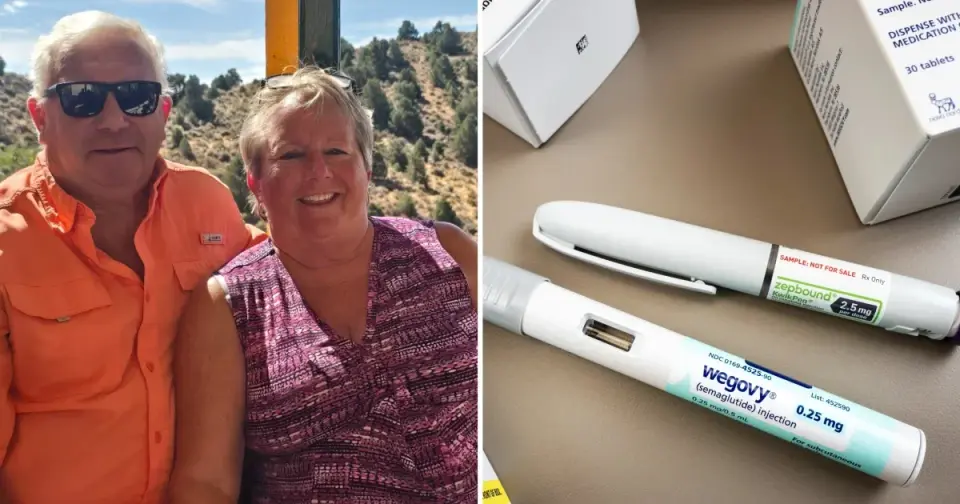
Hundreds of lawsuits allege that GLP-1 weight-loss and diabetes drugs like Wegovy and Ozempic caused rare vision loss. A 66-year-old patient describes sudden blindness in one eye. Drugmakers deny causation, while experts note the risk is extremely low but potentially real.
Key points
- Diane Wirth, 66, lost vision in her right eye after taking Wegovy, developing NAION, a rare optic nerve condition with no known cure.
- Over 4,000 consolidated lawsuits have been filed against Novo Nordisk and Eli Lilly, alleging inadequate warnings about vision risks.
- NAION affects roughly 2 to 10 people per 100,000 over age 50; some studies suggest GLP-1 use may increase this risk two- to four-fold.
- Novo Nordisk and Eli Lilly deny the drugs cause NAION, calling the lawsuits without merit and citing extensive clinical trial data.
- The FDA is currently conducting a study to evaluate the link between GLP-1s and NAION, while the American Academy of Ophthalmology advises shared decision-making with doctors.
Background
This litigation follows earlier concerns about other rare side effects of GLP-1 drugs, such as Wernicke encephalopathy, reported in September 2026. While these medications have shown broad health benefits, including reduced cardiovascular events and improved sleep apnea, the current wave of lawsuits focuses specifically on ophthalmic complications. The legal actions highlight ongoing debates about whether current drug labels adequately inform patients of rare but severe risks.
How outlets are covering it
TODAY.com highlights individual patient stories, such as Diane Wirth’s sudden vision loss, and emphasizes the lack of warning labels in the U.S. compared to other countries. USA Today provides a broader legal context, noting that over 4,000 lawsuits have been consolidated and detailing the mixed scientific evidence, including studies that found no association between GLP-1s and NAION. Both sources agree that while the absolute risk remains low, the legal and medical debate continues over whether drugmakers should have warned patients more explicitly.
Why it matters
The outcome of these lawsuits could influence drug labeling requirements and patient safety protocols for GLP-1 medications, which are widely used for weight loss and diabetes management. As the FDA completes its ongoing study, the findings may determine whether new warnings are added to U.S. labels, potentially affecting millions of patients currently taking these drugs.
What to watch
The FDA is expected to release results from its ongoing study on NAION and GLP-1s. Meanwhile, consolidated lawsuits in federal and state courts will proceed, with drugmakers vigorously defending against claims of inadequate warning. Patients are advised to monitor for sudden vision changes and discuss risks with their healthcare providers.
- Woman Details Losing Vision in 1 Eye After Taking GLP-1 As Hundreds of Patients Sue Drug Companies TODAY.com
- What GLP-1 users should know about the potential risk of a rare type of vision loss ABC News - Breaking News, Latest News and Videos
- Patients Sue GLP-1 Drugmakers Over Risk of Sudden Vision Loss WSJ
- Are GLP-1s causing blindness? What we know about rare cases USA Today
- GLP-1 makers Novo, Eli Lilly sued over sudden loss of vision in patients NewsNation
Want the full story? Read the original reporting
Read on TODAY.com