
Massachusetts Man Loses Sight After GLP-1 Use Amid Consolidated US Lawsuits
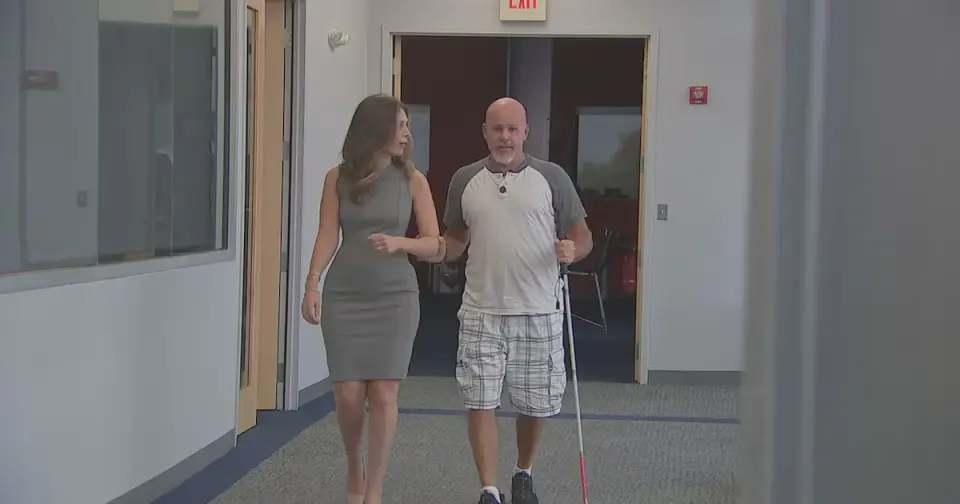
Ed Gillen, a Massachusetts highway worker, lost all vision after taking GLP-1 medication for a year. He was diagnosed with non-arteritic anterior ischemic optic neuropathy (NAION). His case is part of a consolidated federal lawsuit alleging Novo Nordisk failed to warn patients about blindness risks, which the company denies.
Key points
- Ed Gillen, a 39-year veteran state highway worker in Dedham, Mass., experienced sudden blindness in May 2025 after using GLP-1 drugs for about a year to manage A1C levels.
- Gillen was diagnosed with non-arteritic anterior ischemic optic neuropathy (NAION), a condition causing irreversible vision loss, after undergoing MRIs, CT scans, and biopsies.
- Multiple lawsuits have been consolidated before a federal judge in Pennsylvania, alleging Novo Nordisk failed to warn patients and doctors about the risk of severe optic nerve damage.
- Novo Nordisk states its internal safety studies found no increased risk of vision loss associated with its GLP-1 medications.
- The American Ophthalmology Association recommended ophthalmological exams for patients starting GLP-1 treatment in 2025, though the US FDA has not yet mandated a specific warning label.
Background
GLP-1 medications like Ozempic and Wegovy have gained widespread use for diabetes and weight management. In August 2026, public figures like Chrissy Metz discussed their positive experiences with these drugs, highlighting benefits such as improved stamina and reduced cravings. However, emerging reports in late 2026 have raised concerns about rare but severe side effects, including vision loss, prompting regulatory scrutiny and legal action.
How outlets are covering it
Boston 25 News and WSOC TV focus on the personal impact of the condition on Ed Gillen, emphasizing his sudden loss of sight and the lack of prior warning. The Maeil Kyunghae (via WSJ) provides a broader international context, noting that while Europe, the UK, Japan, and Australia have added NAION warnings to product information, the US FDA has not mandated such a label. It also highlights that some studies suggest semaglutide may double the risk of NAION, though the incidence is low (about two per 10,000), while Novo Nordisk’s studies show no increased risk. All sources agree that the causal link is debated, but the lawsuits are progressing in the US.
Why it matters
This case highlights a potential serious side effect of widely used GLP-1 medications, prompting legal action and regulatory debate. It underscores the need for clearer warnings and monitoring for patients, especially as these drugs become more common for diabetes and weight management.
What to watch
The consolidated lawsuits in Pennsylvania will determine if Novo Nordisk and Eli Lilly must provide clearer warnings or face liability. The US FDA’s ongoing investigation may lead to updated labeling or guidance. Patients are advised to consult doctors and consider ophthalmological exams if starting GLP-1 treatment.
- ‘Boom, lights out’: Massachusetts man shares sudden blindness journey after taking GLP-1 Boston 25 News
- Patients Sue GLP-1 Drugmakers Over Risk of Sudden Vision Loss WSJ
- New lawsuits claim GLP-1 drugs can cause vision loss Yahoo
- Patients sue GLP-1 makers over risk of blindness WSOC TV
- A woman in her 50s named Michelle Fennell was sitting at her desk when she suddenly began to feel he.. 매일경제
Want the full story? Read the original reporting
Read on Boston 25 News