
Trump Announces Nine New Drug Pricing Deals Ahead of Midterms
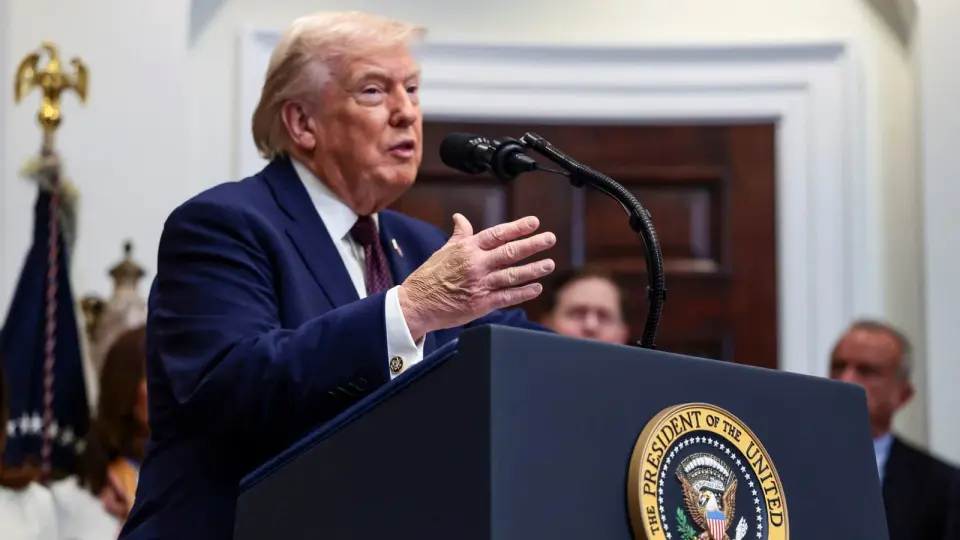
President Trump announced nine new voluntary drug pricing agreements with pharmaceutical companies on Monday, adding to 17 previous deals under the 'most favored nation' policy. These agreements aim to align U.S. prices with lower international rates, though their impact on patient out-of-pocket costs remains unclear due to existing Medicaid discounts.
Key points
- Trump announced nine new drug pricing deals with companies including Alcon, Astellas, BeOne, BridgeBio, CSL, Kyowa Kirin, Sun Pharma, Teva, and UCB.
- The deals are part of the 'most favored nation' policy, which links U.S. drug prices to lower prices in other OECD countries.
- Bloomberg reported that participating companies will offer discounts to state Medicaid programs in exchange for exemption from Medicare pilot programs.
- Participation by state Medicaid programs is optional, and it is unclear how these deals will affect patient out-of-pocket costs since Medicaid already receives steep federal discounts.
- Trump urged Congress to codify these agreements into permanent law, a move likely to face opposition from the pharmaceutical industry.
Background
The Trump administration signed an executive order in May 2025 to revive the 'most favored nation' policy, aiming to end what it called 'global freeloading' by raising prices abroad. In August 2026, only Indiana signed on to a discounted GLP-1 deal for Medicaid, while 29 states opted out due to budget constraints. Meanwhile, high-priced drugs like Rasonque for pancreatic cancer, priced at $39,800 per month, highlight the ongoing tension between high list prices and patient affordability.
How outlets are covering it
CNBC and MS NOW agree on the announcement of nine new deals but differ on the total count; CNBC initially reported 'nearly a dozen' while MS NOW confirmed nine. Bloomberg, cited by both, details the trade-off: Medicaid discounts in exchange for Medicare exemptions. PhRMA, the pharmaceutical trade association, opposes 'most favored nation' pricing, blaming pharmacy benefit managers for price disparities instead. Trump dismissed 'affordability' as a Democratic 'hoax,' while MS NOW noted the political timing ahead of midterms.
Why it matters
These deals could reshape U.S. drug pricing by aligning it with international rates, potentially lowering costs for some patients. However, the optional nature of Medicaid participation and the trade-off with Medicare exemptions create uncertainty about real-world savings. The push to codify these deals into law signals a potential long-term shift in pharmaceutical policy, though industry opposition remains strong.
What to watch
Congress is expected to debate codifying the 'most favored nation' agreements into permanent law, a process likely to face significant resistance from pharmaceutical lobbyists. State Medicaid programs will continue to decide whether to participate in the new discount deals, with budget constraints likely influencing their choices. Pharmaceutical companies may further adjust their commercial strategies, including direct-to-consumer channels and manufacturing shifts, in response to ongoing price pressures.
- Trump reportedly plans to announce new drug pricing deals with nearly a dozen drugmakers CNBC
- White House to announce nearly a dozen new drug pricing deals with pharmaceutical companies MS NOW
- White House to announce new drug pricing deals with biotechs, Bloomberg News reports Reuters
- Watch live: Trump makes announcement on drug pricing The Hill
- Trump administration to announce drug pricing deals Reuters
Want the full story? Read the original reporting
Read on CNBC