
Midterm Gridlock Seen as Catalyst for 2026 Market Rally
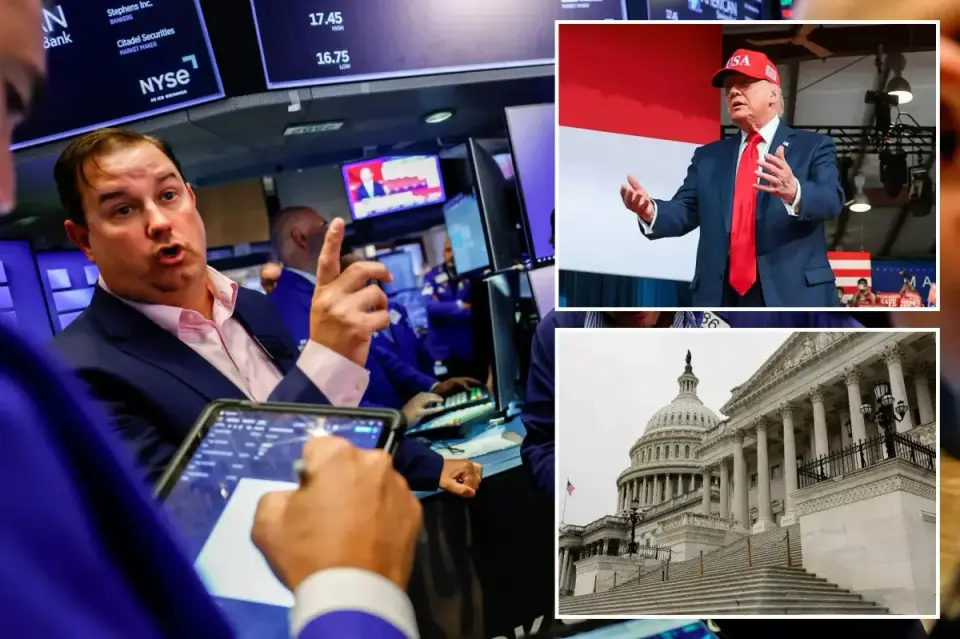
Investors are positioning for a post-midterm rally, with historical data suggesting the S&P 500 gains significantly in the nine months following congressional elections. Analysts note that legislative gridlock often reduces policy uncertainty, benefiting sectors like defense and technology, while betting markets favor a Democratic House and split Senate outcome.
Key points
- Historical data shows the S&P 500 gains an average of 14.5% from late August through March in midterm years, with a median return of 16.4%.
- The president's party has lost House seats in 89% of midterms since 1914, averaging 30 lost seats, which typically increases legislative gridlock.
- Betting markets indicate an 85% implied probability of Democrats taking the House, while Senate control remains a 50-50 tossup.
- A split Congress is viewed as favorable for defense, AI, and financial sectors, as it blocks major new legislation and maintains current policy stability.
- Volatility is expected to peak in September and October before compressing after the election, with the VIX historically rising into Q4 before declining.
Background
This analysis follows earlier coverage on market volatility and investment strategies, such as the August 2026 report on mortgage refinancing and the September 2026 piece on smart TV data tracking. The current focus on midterm elections aligns with broader themes of political risk affecting financial markets, as seen in the 2022 post-midterm rally where the S&P 500 gained 26% despite weak initial conditions.
How outlets are covering it
Ken Fisher of Fisher Investments emphasizes the 'sweet gridlock' phenomenon, arguing that legislative stagnation reduces risk aversion and sparks a consistent nine-month bull run, citing a 92% success rate for the S&P 500 in the nine months following midterm Q4s. Business Insider highlights specific sector implications, noting that a Democratic House and Republican Senate would benefit defense and tech while pressuring healthcare and crypto due to increased oversight. UBS research, cited by Investing.com, provides quantitative backing, noting the S&P 500's average 14.5% gain in midterm years and warning that near-term stock performance depends more on corporate profits and administration policies than election outcomes alone. While Fisher focuses on the broad market rally, Business Insider details sector-specific winners and losers, and UBS emphasizes the importance of volatility compression post-election.
Why it matters
Understanding the historical correlation between midterm elections and market performance helps investors navigate short-term volatility and position portfolios for potential long-term gains. The anticipated legislative gridlock could reduce policy uncertainty, benefiting sectors reliant on stable regulatory environments, while increased oversight in other areas may create sector-specific risks. Investors should monitor betting market probabilities and historical volatility patterns to make informed decisions ahead of the November elections.
What to watch
Investors should watch for volatility spikes in September and October, followed by a potential compression in implied volatility after the election. Sector performance will depend on the specific congressional outcome, with defense and tech likely benefiting from gridlock, while healthcare and crypto may face increased scrutiny. The next six to 12 months will be influenced by administration policies and corporate profit growth, with the midterm results serving as a secondary factor in market direction.
- Worried about the midterms? Here’s how smart investors play them every time New York Post
- Wall Street is cramming for the midterms. Here’s a handy market cheat sheet. Business Insider
- Midterm elections: What do equity markets typically do and what is priced? Investing.com
- INVESTING IN YOURSELF: Mid-year election market update McAlester News-Capital
- How Should Investors Position Portfolios Before The 2026 Midterm Elections? Seeking Alpha
Want the full story? Read the original reporting
Read on New York Post