
Texas Enforces Ban on Synthetic THC, Leaving Only Delta-9 Legal
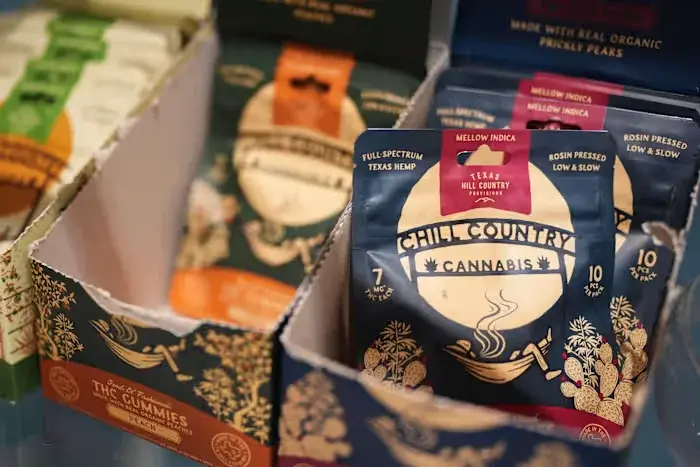
Effective July 31, 2026, Texas bans the sale and possession of synthetically derived THC products, including delta-8, delta-10, and THCP. This move follows a May 2026 Texas Supreme Court ruling that allowed the Department of State Health Services to reclassify these substances as Schedule I drugs. Possession of these items is now a state jail felony, carrying up to two years in prison and fines up to $10,000. Only delta-9 THC products with less than 0.3% THC by dry weight remain legal. The ban impacts approximately 14,000 licensed retail locations statewide, with industry experts estimating that 60% to 90% of current THC inventory will be removed from shelves.
Key points
- The ban targets synthetically created THC variants, specifically delta-8, delta-10, THCP, and THCA flower, which were previously legal under a 2021 injunction.
- Delta-9 THC remains legal in Texas if it contains less than 0.3% THC by dry weight, covering edibles, tinctures, and topicals.
- Possession of banned synthetic THC is classified as a state jail felony, punishable by 180 days to two years in prison and fines up to $10,000.
- Austin police have confirmed they will treat possession of delta-8 as a felony, a shift from previous misdemeanor policies for small amounts of marijuana.
- The Texas Hemp Business Council advises businesses to remove banned inventory immediately, as sales are prohibited after July 31.
Background
This enforcement follows a May 2026 Texas Supreme Court decision that overturned a 2021 temporary injunction. That injunction had paused the state’s ability to enforce a 2021 rule classifying hemp-derived THC as a controlled substance. The legal battle, led by Austin-based retailer Hometown Hero, had kept synthetic THC products on shelves for nearly five years. While federal law defines hemp as containing no more than 0.3% delta-9 THC, Texas had previously allowed other cannabinoids. The current ban aligns state enforcement with the federal definition, excluding synthetic variants. A separate ban on smokable hemp flower was paused by a court ruling, allowing delta-9 smokeable products to remain available for now.
How outlets are covering it
Industry advocates and legal experts view the ban as a significant setback. Sarah Todd of the Texas Cannabis Policy Center described the move as 'recriminalizing' products that were legal for years, arguing it will push consumers toward illicit markets. Hometown Hero CEO Lukas Gilkey called the enforcement a 'death by a thousand paper cuts' strategy to dismantle the legal cannabis market. Conversely, public safety advocates like Aubree Adams of Citizens for a Safe and Healthy Texas welcomed the ban, citing a sharp rise in cannabis-related poisoning calls from 923 in 2019 to 2,669 last year, particularly involving children. KUT reported that Austin police will strictly enforce the felony charge for possession, whereas KPRC and The Texas Tribune focused on the specific chemical distinctions between banned synthetic THC and legal delta-9. USA Today highlighted the confusion among consumers regarding which products remain legal, noting that delta-8 produces similar psychoactive effects to illegal delta-9 but is now prohibited due to its synthetic manufacturing process.
Why it matters
The ban fundamentally alters the legal landscape for cannabis in Texas, creating a sharp distinction between naturally occurring delta-9 and synthetically derived cannabinoids. For consumers, this means a significant reduction in product variety, with estimates suggesting up to 90% of THC products will disappear from shelves. For businesses, the risk of felony charges and license revocation poses an existential threat, particularly for stores relying on synthetic THC sales. The move also signals a stricter enforcement posture by state authorities, potentially influencing future legislation on hemp and cannabis regulation across the United States.
What to watch
Businesses are currently removing banned products from shelves to avoid penalties. Two other businesses are preparing lawsuits against the state, though Hometown Hero has not planned to challenge the Supreme Court’s decision. Enforcement will begin immediately, with Austin police treating possession as a felony. The legal status of smokable hemp remains in limbo due to a separate court pause. Industry observers will monitor whether the ban leads to increased illicit market activity or if consumers shift entirely to legal delta-9 products. Federal legislation, such as the Lawful Hemp Protection Act, may eventually impact state-level enforcement, but for now, Texas is enforcing its strictest THC restrictions to date.
- Texas’ ban on several consumable THC hemp products goes into effect Friday: What is legal and what is not? Click2Houston
- Delta-8, THC products come off Texas shelves Friday under new state ban USA Today
- Texas will ban Delta-8 on July 31. Austin police say possession will be a felony KUT
- Texas is banning several THC products. Find out what will still be legal on July 31. The Texas Tribune
- 'We'll keep pushing forward': Consumers and businesses brace for expanded Texas THC ban taking effect July 31 kens5.com
Want the full story? Read the original reporting
Read on Click2Houston