As a Sept. 30 funding deadline looms, the Trump administration and hemp-industry advocates are pressing to delay a mid-November ban on intoxicating hemp products by attaching language to a must-pass funding bill, with promises to finalize new rules. House Republicans seek changes before passage, while some lawmakers warn against a shutdown over the issue. Industry leaders expect a temporary regulatory bridge—such as age restrictions, tighter manufacturing and labeling rules, and import controls—to avert a full ban while regulations are completed.
Democratic Senate candidate James Talarico calls Texas’ ban on Delta-8 and other hemp-derived THC products an 'insane' form of corruption, arguing Big Beer and Big Tobacco pushed prohibition to protect profits. He notes THC products can be safer and less addictive than booze or cigarettes, emphasizes veterans and seniors use them, and warns criminalization may drive users to the black market and hurt local small businesses, as hemp companies sue to challenge the bans.
MS NOW reports that a White House reversal to delay the hemp ban could benefit Susie Wiles’ son-in-law, Bret Worley, CEO of MC Nutraceuticals, a major hemp-products maker; the White House says Wiles or Worley had no role, but the delay could influence stopgap funding talks and has drawn GOP skepticism after NYT noted MC Nutraceuticals’ messaging about industry influence.
Democratic state Rep. James Talarico warned that Texas’s enforcement of the ban on most synthetically derived hemp THC products, including delta-8, could push consumers to the black market and benefit drug cartels. The move follows a Texas Supreme Court ruling; possession of banned THC products can be charged as a state jail felony, and Paxton’s campaign did not respond to requests for comment.
Texas now bans most synthetic hemp-derived THC products, including delta-8, delta-10, and THCA, after a Texas Supreme Court ruling; only delta-9 products with no more than 0.3% delta-9 remain legal, with possession of banned items punishable as a state jail felony up to two years and a $10,000 fine; smokable hemp remains under court review, while low-THC medical cannabis remains available under the Compassionate Use Program.
Texas’ Supreme Court ruling that the Department of State Health Services can reclassify most hemp-derived THC as Schedule I goes into effect, banning the sale and possession of all synthetically created THC (including delta-8, delta-10, THCP, THCA). An exception applies to delta-9 products with less than 0.3% THC by dry weight, which may be sold in forms such as smokable products, CBD oil, gummies and edibles, topicals, and infused foods/drinks. Possessing or manufacturing the banned products will be a state jail felony, carrying 180 days to two years in prison and fines up to $10,000.
Texas will ban most hemp-derived THC products—including delta-8 and delta-10—starting July 31, 2026, while delta-9 products with 0.3% or less THC by dry weight remain legal; the move follows a Texas Supreme Court ruling that reclassified hemp-derived THC as a schedule I substance. Possession of illegal THC will become a state jail felony with up to two years’ imprisonment and fines up to $10,000, and industry observers expect major reductions in shelf space (estimates of 60–90%). Some shops are preparing lawsuits, and the delta-9 market may persist in some forms, with delta-9 smokable hemp still available due to a court pause on that ban.
Texas is banning manufactured Delta-8 and related cannabinoids starting July 31, reclassifying Delta-8 as a Schedule I substance; Austin police say possession will be treated as a state jail felony (180 days to 2 years, up to $10,000), a crackdown that follows a Texas Supreme Court ruling and tightens enforcement beyond hemp-derived Delta-9 products.
MPP leaders say Congress is unlikely to reverse last year's hemp ban before November, leaving a stricter definition of hemp that includes delta-8 and THCA and a 0.4 mg total-THC per container; banning synthetic cannabinoids, the policy threatens many hemp-derived products, potentially forcing shutdowns, bankruptcies, and banking and employment challenges, with some edge tweaks possible but no repeal this Congress.
A Texas judge issued a temporary injunction blocking state regulators from enforcing a broad ban on hemp-derived products (including smokable THCA) and allowing CHPs to be sold through at least July. The move follows a lawsuit arguing regulators bypassed lawmakers, and comes as the Texas Supreme Court ruled delta-8 THC can be treated as a controlled substance. The case also highlights regulatory changes like steep fee increases for manufacturers and retailers, ongoing expansion of Texas’ cannabis program with new medical licenses, and public polling showing mixed views on legalization.
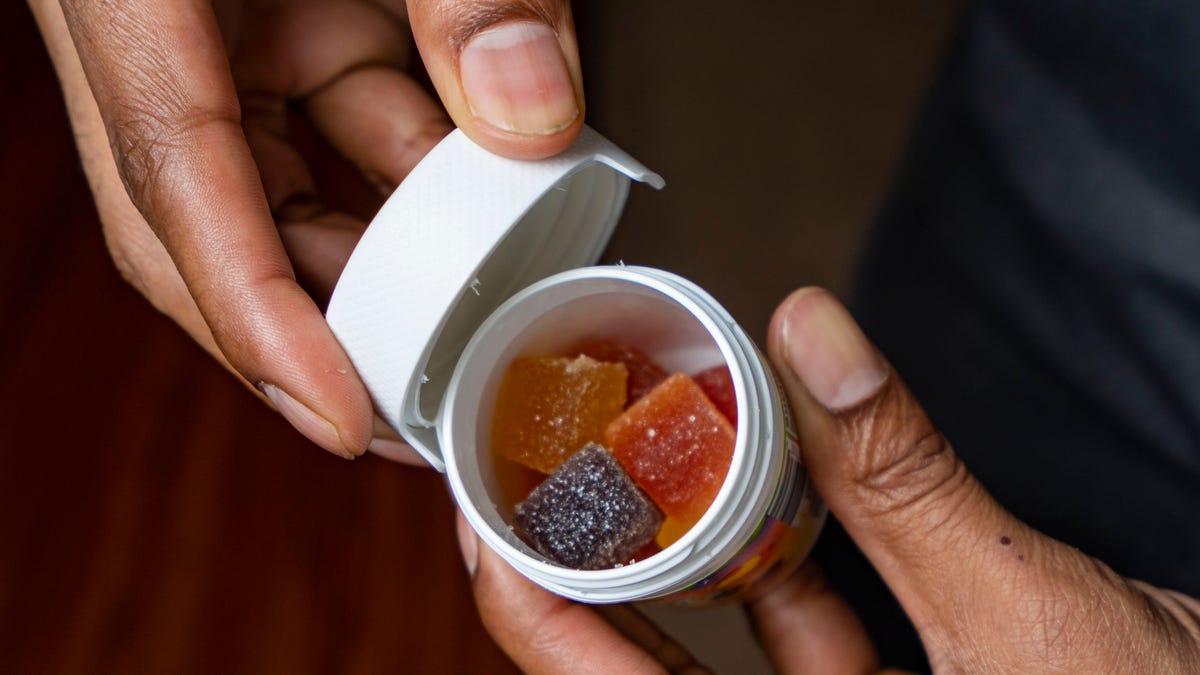
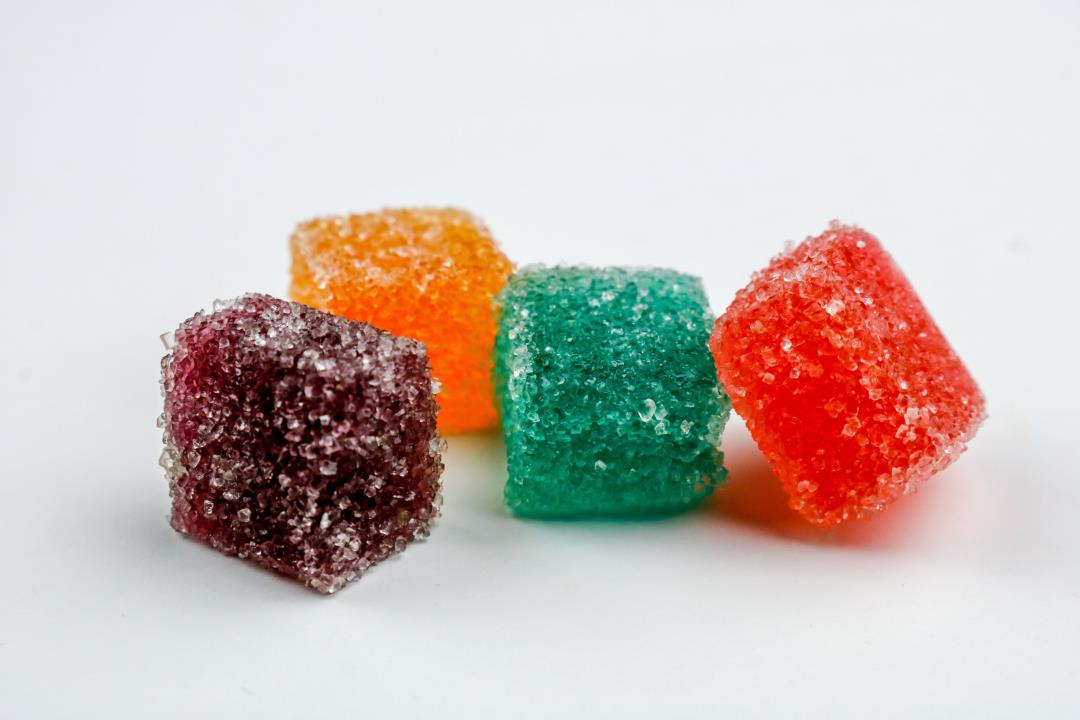
The popularity of delta-8 and other hemp products is soaring in states where marijuana remains illegal, leading to a surge in reports of adverse reactions and poison control calls. Concerns are raised about the lack of regulation, potential contamination, and inconsistent potency of these products. Some users report uncomfortable highs, panic attacks, and hospitalization, while children are at risk of accidental ingestion due to packaging resembling candy. The FDA's limited oversight and varying state regulations contribute to the confusion and potential dangers associated with these products, prompting calls for a new regulatory regime and increased consumer awareness.
Teens in states where marijuana is not legalized or where age restrictions apply have turned to delta-8, a less potent form of THC, as a workaround. A study found that over 11% of high school seniors reported using delta-8, with higher prevalence in the South and Midwest. Delta-8, also known as "diet weed" or "weed lite," is more accessible due to legal loopholes and is available in various forms such as vape cartridges, beverages, and edibles. Researchers warn of potential public health concerns, as delta-8 use among teens becomes more widespread.
A study found that a significant number of US 12th-graders, particularly in states without legal weed options, reported using delta-8 THC, a cannabis compound marketed as a legal alternative to weed. The study raises concerns about the accessibility and potential public health impact of delta-8, especially among teens, as it is easily available in various forms and lacks age restrictions in most states. Researchers also noted that delta-8 use was higher in the South and Midwest, with white teens being the most likely users. Public health officials and scientists have expressed worries about the unregulated proliferation of delta-8 and its potential negative effects on adolescent brain development, calling for more education and regulation.
Florida lawmakers are close to banning delta-8 products, such as gummies and vapes, due to concerns about safety and potency. The bills propose capping THC levels, prohibiting flavoring in hemp vapes, and requiring poison control hotline information on packaging. While proponents see it as a consumer protection measure, opponents argue that the restrictions could harm the hemp industry and limit access to products that help manage physical pain and epilepsy.