
Judge finalizes $7.25bn Bayer Roundup settlement after Supreme Court ruling
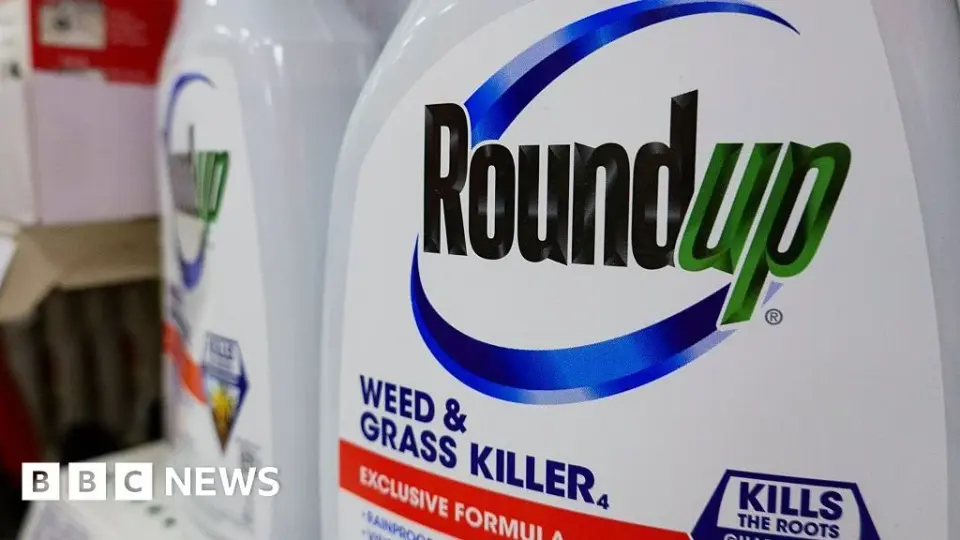
A Missouri judge has approved a $7.25 billion settlement to resolve lawsuits alleging that Bayer’s weedkiller Roundup causes cancer. The deal covers current and future claims for non-Hodgkin lymphoma, with individual payouts ranging from $10,000 to $165,000. Bayer denies the product causes cancer but accepted the deal to limit litigation costs and avoid potential bankruptcy. The approval follows a recent US Supreme Court ruling that restricted state-level failure-to-warn claims, shifting the legal landscape for these cases.
Key points
- Judge Timothy Boyer approved the $7.25bn settlement as 'fair, reasonable, and adequate' on Friday.
- The settlement covers both current and future claims for non-Hodgkin lymphoma, with individual payouts ranging from $10,000 to $165,000.
- Bayer will make annual payments into a fund for up to 21 years, totaling $7.25bn, including $600 million in legal fees.
- The US Supreme Court ruled in June that Bayer cannot be sued in state courts for failure to warn about cancer, as federal regulations do not require a cancer warning label.
- Bayer denies that Roundup causes cancer but accepted the deal to limit litigation costs and avoid potential bankruptcy.
Background
Bayer has faced extensive litigation over Roundup, with approximately 65,000 claims in US state and federal courts. The company had already paid roughly $10.9bn to resolve litigation related to Roundup in 2020. The settlement was approved five months after the US Supreme Court overturned a $1.25m jury award for a Missouri man, John Durnell, who blamed years of exposure to glyphosate in Roundup for his non-Hodgkin lymphoma. In Australia, all class actions alleging Roundup caused cancer ended without compensation payouts, with the Federal Court dismissing the McNickle case in July 2024 and the Fenton class action discontinued in January 2025.
How outlets are covering it
BBC and The Guardian emphasize the judge's approval of the settlement as 'fair, reasonable, and adequate' and the potential resolution of decade-long litigation. ABC News highlights the financial certainty for Bayer and the risk of bankruptcy if the settlement had been rejected. Some attorneys objected to the settlement funds, arguing they were not enough, but the judge said he did not want to delay payouts to sick victims. Christopher Seeger, a lawyer for many of the plaintiffs, said the Durnell decision narrowed the ability of Roundup victims to pursue claims in court. Bayer has long maintained that Roundup and its active ingredient glyphosate were safe, and that decades of studies had shown that glyphosate did not cause cancer.
Why it matters
The settlement provides financial certainty for Bayer and compensation for cancer victims, while the Supreme Court ruling restricts state-level failure-to-warn claims, shifting the legal landscape for these cases. The deal resolves current and future claims, allowing Bayer to limit ongoing legal costs and avoid potential bankruptcy. The approval follows a recent Supreme Court ruling that barred state court claims over failure to warn, shifting the legal landscape for these cases.
What to watch
The decision could be appealed, but Bayer CEO Bill Anderson said in a statement that the court-approved settlement was 'a decisive milestone in the company's strategy to mitigate the risks of both pending and future Roundup litigation.' Bayer will make annual payments into a fund for up to 21 years, providing as much as $7.25bn. Some attorneys had objected to the settlement funds, arguing they were not enough, but the judge said he did not want to delay payouts to sick victims.
- Judge approves $7.25bn Bayer settlement for Roundup cancer claims BBC
- Judge Approves $7 Billion Settlement Over Claims That Roundup Caused Cancer The New York Times
- Missouri judge approves Bayer's $7.25 billion Roundup settlement Reuters
- Judge approves $7.25bn Bayer payout to settle claims that Roundup causes cancer The Guardian
- Bayer to pay $11b over claims weed killer caused cancer ABC News & Headlines – Australian Broadcasting Corporation
Want the full story? Read the original reporting
Read on BBC