
Utah drops Kalshi criminal charges after platform halts state operations
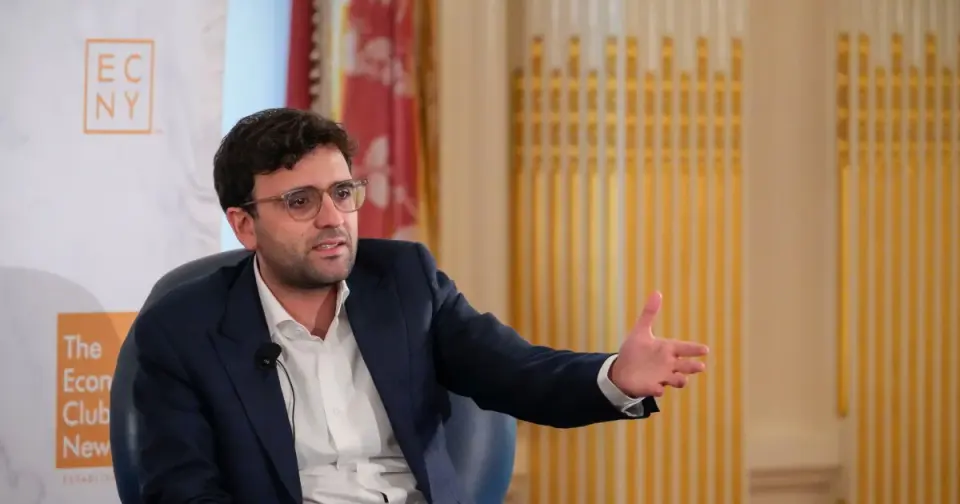
Utah Attorney General Derek Brown moved to dismiss criminal charges against prediction market operator Kalshi and its co-founders, Tarek Mansour and Luana Lopes Lara, one day after the company suspended operations in the state. The dismissal is 'without prejudice,' meaning charges can be refiled if Kalshi returns. While the criminal case is paused, a civil suit seeking up to $61 million in damages remains active. Kalshi exited Utah following adverse federal court rulings that allowed the state to enforce its anti-gambling laws, though the company maintains its event contracts are federally regulated by the Commodity Futures Trading Commission (CFTC).
Key points
- Utah filed a motion to dismiss criminal charges against KalshEX LLC and its founders on Tuesday, citing the company's decision to block access for Utah users.
- The dismissal is 'without prejudice,' allowing Utah to refile charges if Kalshi resumes operations in the state.
- Utah continues to pursue a civil lawsuit against Kalshi, seeking damages of approximately $61 million.
- Kalshi suspended operations after losing a bid to block Utah's enforcement actions in federal court, despite CFTC arguments for exclusive federal jurisdiction.
- Other prediction market competitors, including FanDuel and DraftKings, have also halted operations in Utah following the legal developments.
Background
Utah has some of the strictest anti-gambling laws in the US, with gambling prohibited under its state constitution for 130 years. In late October 2026, Utah escalated its dispute with Kalshi by filing criminal charges alleging the platform operated an illegal online casino. Simultaneously, the CFTC sued Utah to block enforcement, arguing that prediction markets are federally regulated financial instruments. Federal courts have largely sided with states, ruling that Utah can enforce its gambling laws against Kalshi, though the CFTC's emergency injunction request was denied. This case is part of a broader national conflict over the regulation of prediction markets, with litigation spanning over 20 states.
How outlets are covering it
Utah Attorney General Derek Brown framed the dismissal as a victory for public safety, stating that Kalshi's exit prevents harm to residents and that the state will hold all companies accountable for enabling gambling. Brown emphasized that no deal was struck and that the state will defend its laws in ongoing civil litigation. Conversely, Kalshi general counsel Yaakov Roth expressed relief, arguing that 'good faith jurisdictional disagreements should never be criminalized' and that the company is ready to work with states on interim measures. CNN characterized the move as a dramatic win for states seeking to regulate prediction markets as gambling, while Ars Technica highlighted the 'difficult decision' by Kalshi to pause operations after losing court fights. KSL noted that the dismissal was contingent on Kalshi geofencing the state and monitoring IP addresses, with Brown warning that any return would trigger new charges. All sources agree that the civil litigation and federal jurisdictional disputes remain unresolved, with the Supreme Court potentially deciding the ultimate regulatory framework.
Why it matters
The dismissal of criminal charges against Kalshi's founders marks a significant shift in the legal battle over prediction markets, demonstrating that aggressive state enforcement can force major platforms to exit specific jurisdictions. However, the 'without prejudice' nature of the dismissal and ongoing civil suits indicate that the conflict is not resolved. The case highlights the tension between state gambling prohibitions and federal financial regulations, with potential implications for consumer protection and market stability. As other states and platforms watch the Utah outcome, the decision may influence regulatory strategies nationwide, particularly as the Supreme Court is expected to weigh in on the jurisdictional question.
What to watch
Utah will continue its civil lawsuit against Kalshi, seeking damages of up to $61 million. The CFTC may pursue further legal action to block state enforcement, though its emergency injunction request was recently denied. Kalshi plans to return to Utah if it wins in court, but for now, it has blocked access for Utah users. The Supreme Court is expected to eventually rule on whether state gambling laws can override federal regulation of event contracts, which could determine the future of prediction markets across the US. Other states may follow Utah's lead in enforcing anti-gambling laws against prediction market operators.
- Utah moves to drop criminal charges after Kalshi blocks Utah users KUER
- Kalshi pauses operations in Utah after adverse federal court ruling Reuters
- Utah AG moves to dismiss charges against Kalshi after it blocks service in state KSL
- Utah scores win against Kalshi as company halts operations in state CNN
- Kalshi makes “difficult decision” to halt Utah trading after losing court fights Ars Technica
Want the full story? Read the original reporting
Read on KUER