
Advice columnist urges exhausted caregiver to seek support before pursuing affair
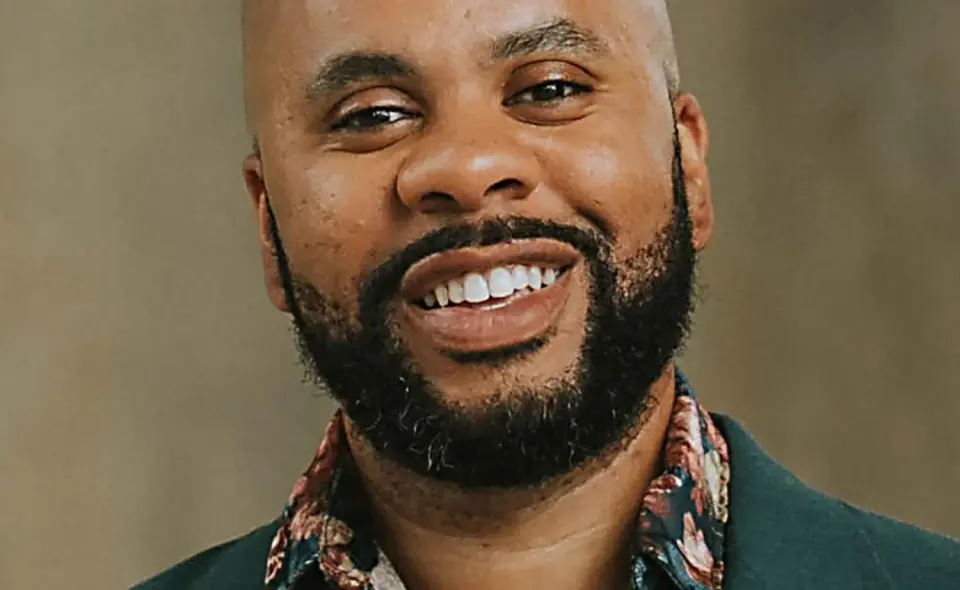
R. Eric Thomas advises a 62-year-old woman whose 69-year-old partner is bedridden after a stroke to seek local aging services and caregiver support groups rather than pursuing a flirtatious connection with a band member. He warns that such an affair would add complication and pain to her already exhausting situation, while also addressing a separate letter about clearing out childhood memorabilia.
Key points
- A 62-year-old woman writes that her 69-year-old partner is 100 percent bedridden with limited limb use following a stroke 18 months ago, and she receives only three 30-minute visits per week from a personal support worker.
- She reports flirtatious exchanges with a member of a live cover band she follows, acknowledging that both are in relationships and that the situation is 'playing with fire.'
- R. Eric Thomas suggests she contact her local Department of Aging for in-home relief, financial aid, or caregiver support groups to ease her exhaustion.
- Thomas questions whether the band member is a 'vacation' or a source of fire, warning that temporary relief may not match the complication and pain an affair would bring.
- In a second letter, a retired woman in her 60s asks about clearing her basement of her adult daughters' childhood toys, to which Thomas advises starting small by moving items to their house as 'things they might want.'
- A third letter from 'Help Available' shares how city mental health offices and health plan counseling sessions helped her manage depression, which Thomas endorses as a small step toward feeling more positive.
Background
The archive contains no prior coverage of this specific advice column, but notes that strokes affect approximately 800,000 people in the US annually, with 85 percent being ischemic. Recovery often involves multidisc care teams and emotional support, aligning with Thomas's recommendation for caregiver support groups. The archive also mentions a 2026 UK case of a man surviving a knife injury to the brain, but this is unrelated to the current story.
Why it matters
The column highlights the practical and emotional strain on caregivers of stroke survivors, emphasizing that seeking structured support can be more sustainable than seeking temporary emotional relief through risky relationships. It also underscores the importance of small, actionable steps in mental health and household management.
What to watch
The advice column is published and available for readers to read. No further developments are expected from this static content, but readers may contact R. Eric Thomas via email or mail as provided in the column.
Want the full story? Read the original reporting
Read on The Mercury News