
Copper Hits Record High Amid Supply Crunch and Tariff Uncertainty
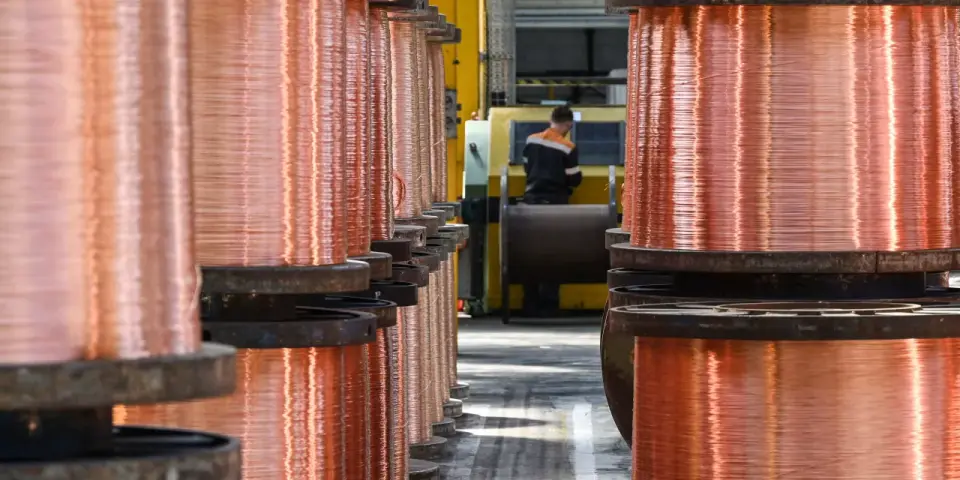
Copper prices reached an all-time high of $14,533 per metric ton on the London Metal Exchange on September 7, 2026, driven by supply constraints and fears of U.S. tariffs. The metal has gained 16% this year, with global mine output falling 1.1% in the first half of 2026. Key drivers include a major flood at Freeport-McMoRan’s Grasberg mine in Indonesia, declining production in Chile, and a pending U.S. tariff decision on refined copper.
Key points
- Benchmark three-month copper futures hit a record $14,533 per metric ton on the LME, surpassing the previous January high.
- Global mine output dropped 1.1% in the first half of 2026, with Chile and Freeport-McMoRan posting significant declines.
- Freeport-McMoRan cut 2026 output guidance at its Grasberg mine by roughly a third following a September 2025 flood.
- The U.S. White House has not decided on refined copper tariffs, missing a June 30 deadline, leading to record imports into the U.S. in July.
- Congo banned exports of copper and cobalt concentrate in early August, adding to supply concerns.
Background
This surge follows a period of rising commodity prices, including record-high diesel and gas prices in August 2026, driven by global supply tightness and geopolitical tensions. The current copper rally is part of a broader trend in hard commodities, where supply chain disruptions and trade policy uncertainties are driving prices to historic levels.
How outlets are covering it
The Wall Street Journal emphasizes the record price and the impact of U.S. tariff fears, noting that buyers are scrambling for the metal. Oilprice.com provides a deeper analysis of the supply chain, highlighting the 10th straight weekly gain, the longest since 1994, and the physical market squeeze, including LME warehouse stocks falling for 42 straight days. It also details the specific mine setbacks in Indonesia and Chile, as well as the Congo export ban. The Robinhood source is unrelated to the copper story, focusing instead on USD/JPY exchange rate predictions, and thus offers no relevant perspective on the copper market.
Why it matters
Copper is a critical input for manufacturing, construction, and the energy transition, including electric vehicles and renewable energy infrastructure. A sustained price increase can raise costs across these sectors, potentially impacting inflation and project timelines. The supply constraints and tariff uncertainties could lead to further price volatility, affecting global economic growth and investment decisions in the metals and mining industry.
What to watch
The U.S. White House is expected to make a decision on refined copper tariffs, which could take effect as soon as January 2027. Traders are likely to continue monitoring the situation, with potential for further price increases if tariffs are imposed. The recovery of the Grasberg mine is not expected before 2027 or 2028, and Codelco’s Andes Norte expansion is not due to reach production until 2029, suggesting that supply constraints may persist in the near term.
- LME Copper Prices Hit Record on Supply Issues, U.S. Tariff Concerns WSJ
- Copper Surges to All-Time High as Tariff Turmoil Rocks Market bloomberg.com
- Copper's Longest Rally Since 1994 Collides With a Shrinking Supply Chain oilprice.com
- Copper reaches a new record high on the LME investingLive
- US Dollar to Japanese Yen Exchange Rate September 9 2026 robinhood.com
Want the full story? Read the original reporting
Read on WSJ