
Buffett's 2008 advice on buying fear remains relevant as market sentiment hits extreme lows
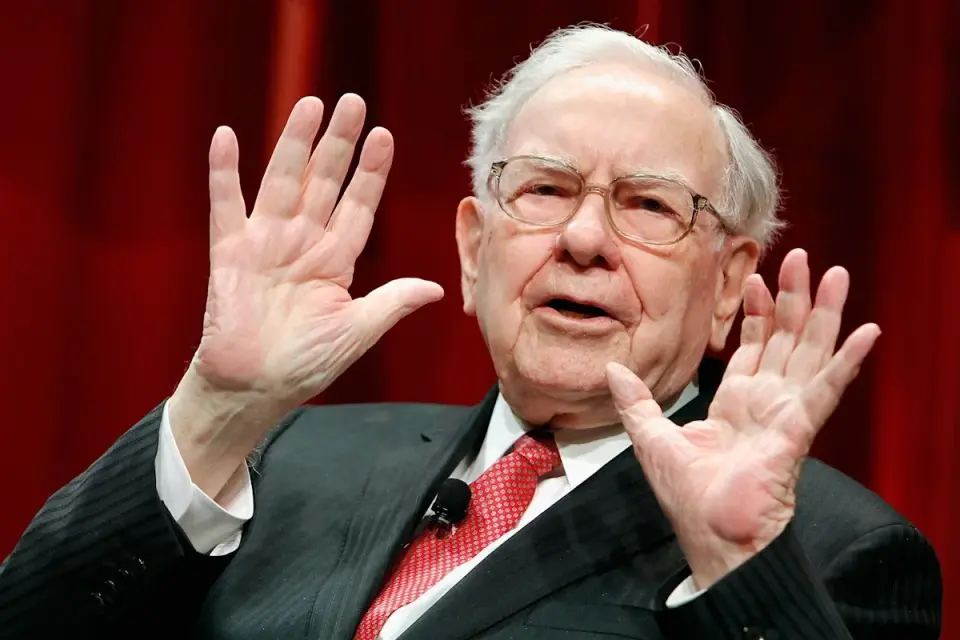
With major U.S. stock indices down 3% to 8% from recent highs and the Fear and Greed Index at 23, The Motley Fool highlights Warren Buffett's 2008 advice that 'bad news is an investor's best friend.' The article argues that historical data shows the S&P 500 has delivered over 1,000% total returns since that advice was published, rewarding investors who bought during periods of panic rather than those who sold out of fear.
Key points
- The S&P 500, Dow Jones, and Nasdaq have declined approximately 3%, 4%, and 8% from their recent all-time highs, respectively.
- The Fear and Greed Index currently sits at 23, indicating 'extreme fear' among investors.
- Warren Buffett's 2008 New York Times essay advised investors to buy more during market downturns, noting that 'bad news is an investor's best friend' because it allows purchasing assets at marked-down prices.
- Since the 2008 essay, the S&P 500 has generated total returns exceeding 1,000%, turning a hypothetical $10,000 investment into over $112,000.
- Buffett warned that investors who buy only when comfortable and sell when headlines are negative tend to lose money, despite the market's long-term upward trajectory.
- The article emphasizes that while some companies fail during downturns, those with strong competitive advantages and sound finances are likely to set new profit records within 5 to 20 years.
Background
Recent coverage has noted that Buffett's retirement has intensified scrutiny of market resilience, with 74% of Americans fearing a correction due to high valuations. Earlier analyses highlighted that even a 99% decline in Berkshire Hathaway would not erase its outperformance of the S&P 500 since 1965, reinforcing the argument that long-term compounding beats short-term timing. Current market conditions show the S&P 500 up 13% year-to-date, though rising gas prices and cooling inflation present mixed signals.
Why it matters
The current drop in market sentiment provides a practical test of Buffett's long-term investing philosophy. For investors facing volatility, the historical data cited suggests that maintaining a portfolio of high-quality companies during periods of 'extreme fear' can yield significant returns, whereas panic-selling often locks in losses and misses subsequent recoveries.
What to watch
Investors may monitor whether the current 'extreme fear' sentiment leads to increased buying activity in high-quality stocks. Market participants will likely watch for signs of a broader recession or bear market, defined as a 20% drop, which typically lasts nine months before strong recoveries. The focus will remain on identifying companies with sustainable competitive advantages that can withstand earnings hiccups.
Want the full story? Read the original reporting
Read on Yahoo Finance