
Diplomatic Hopes and Supply Glitches Drive Oil Below $100, Lifting Global Bonds
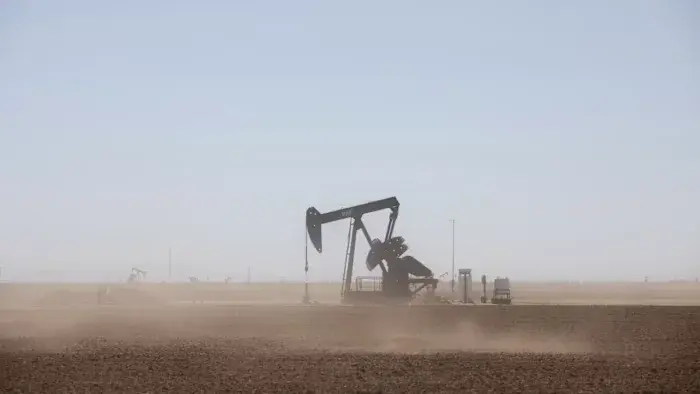
Oil prices dropped over 3% on Monday, with Brent crude falling to just above $100 and US West Texas Intermediate (WTI) dipping below $97. This decline triggered a rebound in government bonds and stock markets, driven by speculation that US President Donald Trump might meet Iranian President Masoud Pezeshkian during the UN General Assembly. While diplomatic signals eased inflation fears, physical supply constraints persisted, notably Saudi Arabia cutting off European crude allocations for October.
Key points
- Brent crude fell more than 3% to a low of $100.20, its lowest level since September 10, while WTI dropped over 3% to below $97.
- European government bonds rallied as yields fell; France’s 10-year yield dropped 0.13 percentage points to 4.45%, and Italy’s 10-year yield fell 0.11 percentage points to 4.33%.
- US Ambassador to the UN Mike Waltz stated on X that the door is open for Iran to return to negotiations, fueling market optimism.
- Saudi Aramco informed European term customers that they would receive zero Saudi crude in October, despite pushing 60 million barrels through the Persian Gulf for Asian buyers.
- European stock markets recovered, with the Stoxx Europe 600 index rising 1.1% and the FTSE 100 gaining 0.9%, while US futures pointed to higher openings.
Background
This development follows a period of significant market volatility in late 2026. In August, US borrowing costs rebounded despite Treasury interventions, with 30-year yields climbing to 5.27% amid concerns over debt levels and rising oil prices. By early September, global bond yields hit 2008 highs as oil prices surged due to US-Iran clashes and inflation fears. Recent weeks have seen continued tension, including a September 21 rally in US futures driven by AI optimism and falling oil, but the current move represents a sharper dip in energy costs driven by diplomatic hopes rather than just AI news.
How outlets are covering it
The Financial Times emphasizes the diplomatic angle, citing Trump’s reported openness to meeting the Iranian president and the resulting relief in bond markets. CNBC highlights the physical supply resilience, noting that despite the price drop, Middle East oil flows remain strong, though Trump has decided against bombing Houthi targets for now. OilPrice.com focuses on the logistical disruption, reporting that Saudi Arabia has cut off European crude allocations for October, forcing Europe to seek alternative sources while Asia absorbs the redirected Gulf exports. While the FT and CNBC view the price drop as a positive signal for inflation and markets, OilPrice.com underscores the structural supply challenges facing European refiners.
Why it matters
The drop in oil prices reduces inflationary pressure, allowing central banks to potentially ease monetary policy and supporting equity markets. However, the divergence between diplomatic optimism and physical supply constraints, such as the exclusion of Europe from Saudi crude, highlights ongoing risks to energy security and could lead to regional price disparities and continued volatility in global trade routes.
What to watch
Investors will closely monitor the UN General Assembly for any concrete diplomatic breakthroughs between the US and Iran. Additionally, market participants will watch for updates on the repair of Saudi Arabia’s East-West pipeline and whether European refiners can secure alternative crude supplies to offset the zero allocation from Saudi Aramco.
- Slide in oil prices drives rebound in battered government bonds Financial Times
- Oil Prices Fall for Fourth Day as Supply Concerns Ease WSJ
- Oil falls as crude flows remain 'surprisingly strong' CNBC
- Brent Set for Longest Losing Run Since June, Focus on Diplomacy Bloomberg.com
- Saudi Arabia Cuts Europe Off From October Crude as Gulf Exports Surge Crude Oil Prices Today | OilPrice.com
Want the full story? Read the original reporting
Read on Financial Times