
Dow surges 1,569 points after Democratic sweep, oil crashes on Iran war fears
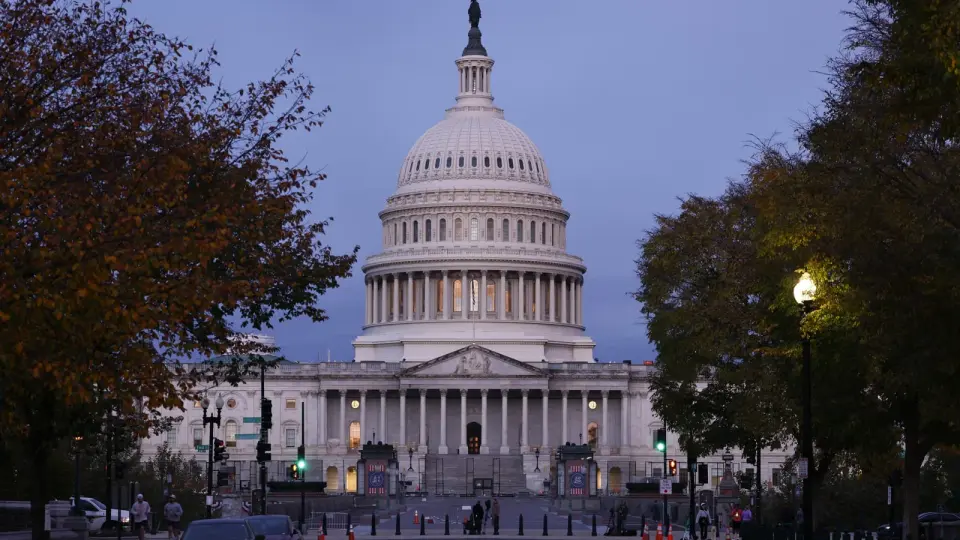
US stocks rallied sharply Wednesday after Democrats won control of Congress, with the Dow posting its best day since April 2025. Oil prices plunged nearly 9% after Vice President JD Vance blamed the Iran war for Republican losses. While broad markets rose, AI infrastructure and Elon Musk’s companies fell, and Qualcomm dropped 9% on weak smartphone sales.
Key points
- The Dow Jones Industrial Average rose 1,569 points, or 3%, marking its best post-midterm gain since 1982.
- Brent crude oil fell 8.7% to settle at $94.62 per barrel, its lowest level since August 31.
- Qualcomm shares declined over 9% in premarket trading after missing fourth-quarter smartphone chip sales estimates.
- Tesla and SpaceX shares fell approximately 3% to 4% amid political uncertainty in Texas.
- The VIX volatility index dropped nearly 20% as investors welcomed the prospect of a divided government.
Background
In late September 2026, oil prices had already slipped below $98 per barrel, and semiconductor shares were cooling after a recent surge. In early October, Elon Musk’s net worth briefly exceeded $1 trillion following an 8% rally in SpaceX shares, driven by AI optimism and Starship developments. The current market reaction follows this period of tech-led growth and high oil prices, which preceded the recent midterm elections.
How outlets are covering it
CNBC and CNN agree that the decisive Democratic victory and President Trump’s willingness to cooperate with the new Congress reduced risk premiums and stabilized markets. However, they differ on the outlook for the Iran conflict. CNN cites Bob McNally of Rapidan Energy Group, who argues that escalation is more likely despite the oil price crash, whereas CNBC focuses on the broader relief rally and Trump’s statement that he can work with Democratic majorities on many issues. Both outlets note that while the VIX dropped, specific sectors like AI infrastructure and Musk’s companies faced selling pressure due to political and regulatory uncertainties in Texas.
Why it matters
The shift to a divided government may constrain fiscal stimulus and excessive spending, potentially stabilizing bond markets and the dollar. However, the crash in oil prices signals a potential de-escalation of the Iran war, which could impact energy costs and inflation. Meanwhile, the decline in AI and tech stocks suggests that political opposition to data center buildouts in key states like Texas could disrupt the current AI investment boom.
What to watch
Investors will watch for the Federal Reserve’s response to the new political landscape, with Richmond Fed President Tom Barkin scheduled to speak on consumer sentiment. Qualcomm CEO Cristiano Amon is set to address investors regarding the demand for its chips. Additionally, the market will monitor whether the Democratic-controlled Congress can pass legislation like the CLARITY Act or if it will face gridlock with the White House.
- Markets cool after the monster midterm rally with Musk's stocks under pressure CNBC
- Here's what the Democratic election rout could mean for the U.S. economy CNBC
- Stocks Mostly Up Pre-Bell as Traders Weigh Impact of Democrats' Midterm Victory Yahoo Finance
- Dow has best post-midterm elections day in 44 years as Democrats take control of Congress CNN
- Stock Rotation Rolls On as Chipmakers Retreat: Markets Wrap Bloomberg.com
Want the full story? Read the original reporting
Read on CNBC