
Futures Drop as Democrats Near Congressional Sweep, Sparking AI Sector Jitters
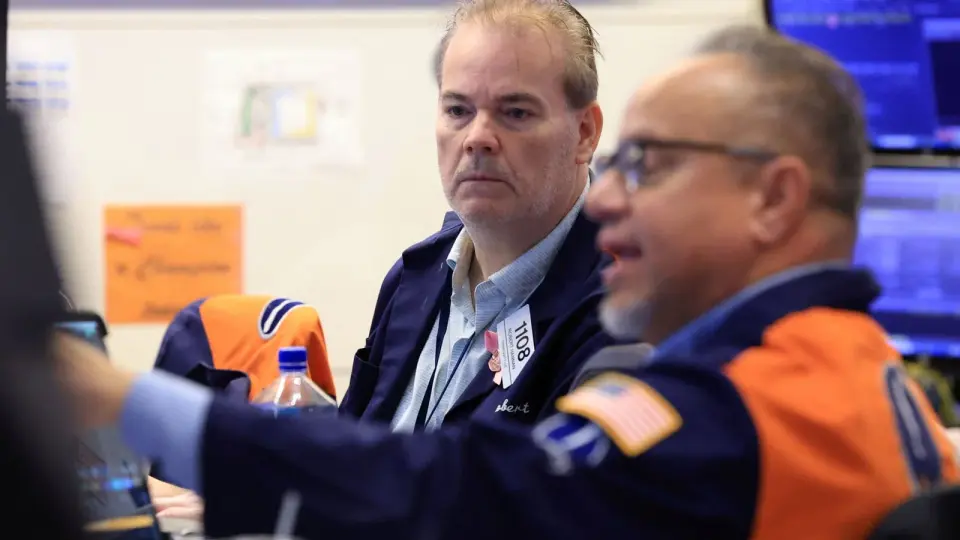
US stock futures fell sharply on Tuesday evening as early results indicated Democrats were likely to secure a majority in both the House and Senate. S&P 500 futures dropped 1.1%, while Nasdaq-100 futures fell 2%. The decline was driven by fears that a Democratic 'blue wave' could impose stricter regulations on data centers and reverse business-friendly tax policies. Key AI stocks, including Nvidia and CoreWeave, traded lower in extended sessions, while solar stocks rallied on expectations of renewed support for renewables. The 10-year Treasury yield fell to 4.915%, and the VIX volatility index rose above 20, signaling heightened investor anxiety.
Key points
- S&P 500 futures declined 1.1% and Nasdaq-100 futures dropped 2% as polls closed, reflecting concerns over a potential Democratic sweep of Congress.
- Kalshi prediction markets showed over 90% odds for Democratic control of the Senate and 99% for the House, with CNBC projecting Democrats will win at least 210 House seats.
- AI-related stocks faced pressure, with CoreWeave down 6% and Nvidia falling nearly 1% in extended trading, driven by fears of data center moratoriums and increased regulatory scrutiny.
- Texas gubernatorial results became a focal point for AI investors, as Democratic candidate Gina Hinojosa, who supports a data center moratorium, led incumbent Greg Abbott; Texas accounts for 27% of US data center capacity.
- Solar stocks rallied, with the Invesco Solar ETF rising 3.5% in after-hours trading, as traders bet on a Democratic majority reversing anti-renewable policies from the previous administration.
- The 10-year Treasury yield dropped more than 3 basis points to 4.915%, while the Cboe Volatility Index (VIX) futures rose above 20, indicating increased market fear.
Background
This election follows a period of market volatility where the Nasdaq entered a correction zone in late 2026, with tech stocks rebounding ahead of the midterms. Recent archive coverage highlighted that while historical data shows the S&P 500 typically rises 15% in the six months following midterms, a Democratic sweep could trigger short-term volatility due to fears of increased AI oversight and fiscal gridlock. The national debt has also reached $40 trillion, adding to concerns about fiscal policy shifts.
How outlets are covering it
CNBC emphasized the immediate market reaction to the Democratic sweep, highlighting the impact on AI stocks and the Texas gubernatorial race as a key indicator for data center policy. Business Insider noted that the scale of Democratic gains, rather than just the outcome, could force markets to rethink President Trump's remaining policy agenda, with a commanding victory potentially triggering significant repositioning. Yahoo Finance provided historical context, noting that while midterms under a Republican president have often led to stock gains in the long run, the short-term impact can be volatile, with the S&P 500 rising an average of 11% over the next three months after a Democratic sweep. Yahoo also highlighted that divided government outcomes, such as a Democratic House and Republican Senate, have never occurred in the post-1946 era, adding uncertainty to market expectations.
Why it matters
The outcome of the 2026 midterms could significantly impact the regulatory environment for AI and data centers, potentially leading to stricter oversight and moratoriums on new developments. A Democratic majority in Congress could also reverse business-friendly tax policies and increase scrutiny on industries like banking, while potentially supporting renewable energy. The Texas gubernatorial race is particularly critical, as the state represents a substantial portion of US data center capacity, and a Democratic win could disrupt the AI buildout. Investors are also watching for potential volatility from contested elections and the president's reaction, which could further rattle markets.
What to watch
Investors will closely monitor the final results of the Senate and House races, as well as key gubernatorial contests, particularly in Texas. The market may see continued volatility in the short term, but historical data suggests that the S&P 500 typically recovers and rises in the months following midterms. The next few days will be crucial for determining the long-term impact of the election on AI regulation, fiscal policy, and market sentiment.
- Stock futures fall on speculation Democrats to win big in midterms, slow data center buildout: Live updates CNBC
- US stock futures fall as investors weigh a potential midterm shake-up in Washington Business Insider
- What a Democratic sweep could mean for stocks — and why history says not much Yahoo Finance
- US midterms: Markets fall on Wall Street as Democrats gain early momentum Sky News
- Asian Tech Stocks to Rise on AI Rally as US Votes: Markets Wrap Bloomberg.com
Want the full story? Read the original reporting
Read on CNBC