
Wholesale Inflation Hits 4-Year High as Nvidia Slump Tests AI Trade
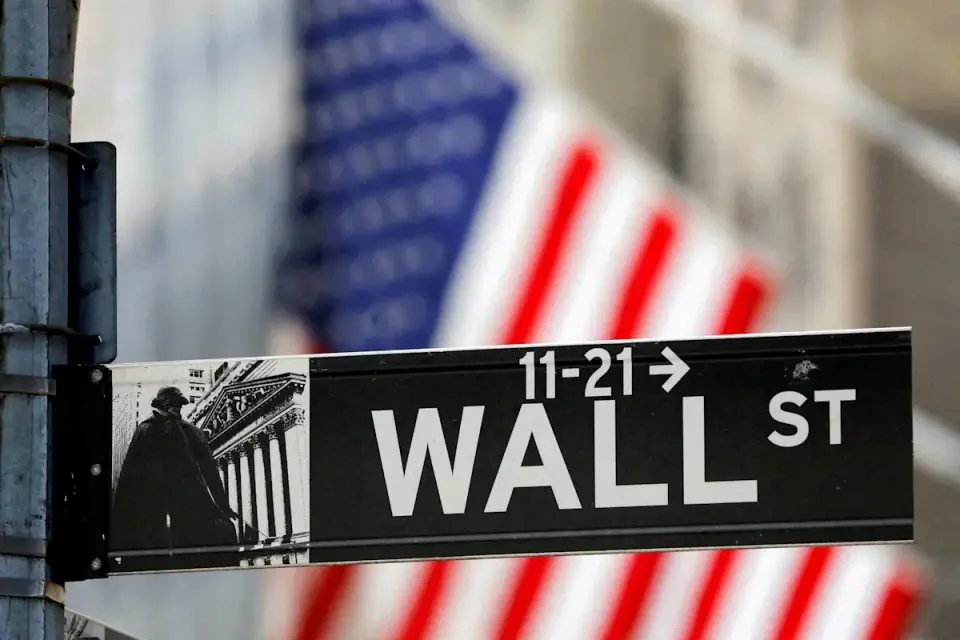
US stocks turned lower on Friday as the S&P 500 and Nasdaq declined, driven by a drop in Nvidia shares following CEO Jensen Huang's resignation. Wholesale inflation rose 0.3% in October, with the annual rate hitting 6.5%, the highest in four years. Bitcoin fell below $70,000, and the 10-year Treasury yield reached 5.16%.
Key points
- Nvidia shares fell 2.25% on Friday, extending losses after CEO Jensen Huang resigned amid scandal reports involving a Chinese spy and employees. CFO Colette Kress is serving as interim CEO.
- The Producer Price Index rose 0.3% month-over-month in October, below the 0.4% expected, but the annual rate reached 6.5%, the highest since November 2022. This reinforces pressure on the Federal Reserve to raise interest rates in December.
- Bitcoin dropped below $70,000 for the first time in three months, falling to $68,000 before recovering slightly. The decline is attributed to macro risk aversion, spot ETF outflows, and the removal of Strategy from MSCI indexes.
- The 10-year Treasury yield hit 5.16%, its highest level since October. Oil prices remained stable after a spike, providing some relief to bond markets.
- Despite the daily decline, major indexes are on track for their best weekly gains since August, with the Nasdaq up 3.2% and the S&P 500 up 2.9% for the week.
Background
This volatility follows a record high for the S&P 500 in early October and a recent rebound in the Dow after a tech-led sell-off. The market has been navigating persistent inflation concerns and geopolitical tensions, including US-Iran relations, which previously impacted oil prices and bond yields.
How outlets are covering it
Yahoo Finance emphasizes the immediate impact of the PPI data and the ongoing fallout from the Nvidia leadership crisis, noting that retail investors bought heavily into the stock's decline. CNBC highlights the broader market resilience, pointing out that despite the daily drop, the major averages are pacing for strong weekly gains, and notes that Asian markets rose on Friday as investors reassessed the AI trade. Bloomberg focuses on the recovery in Asian tech stocks and the stabilization of oil prices, suggesting that fears of a broader AI trade derailment are fading. The outlets differ in their emphasis: Yahoo and CNBC focus on the US market reaction and inflation data, while Bloomberg highlights the global response and the potential for a rebound.
Why it matters
The combination of rising wholesale inflation and a leadership crisis at a key AI company like Nvidia creates uncertainty for the Federal Reserve's interest rate decisions and the broader AI investment cycle. If inflation remains high, the Fed may raise rates, which could pressure tech stocks and risk assets like Bitcoin. The resilience of the market despite these headwinds suggests that investors are still optimistic about the long-term potential of AI, but the short-term volatility may continue.
What to watch
Investors will watch Nvidia's third-quarter earnings report next Tuesday, as well as any further developments in the search for a permanent CEO. The Federal Reserve's December meeting will be a key event, with expectations for a rate hike if inflation remains elevated. The performance of Bitcoin and other crypto assets will also be monitored as indicators of risk appetite in the market.
- Stock market today: Dow, S&P 500, Nasdaq futures edge higher after wholesale inflation grows, Nvidia stock rebounds Yahoo Finance
- Stock futures tick higher as Wall Street heads for winning week despite Nvidia woes: Live updates CNBC
- Stock Market Today: Dow Rises On Surprise Inflation Data; Nvidia Struggles (Live Coverage) Investor's Business Daily
- Stocks set for best week since early August despite Nvidia turmoil Quartz
- US Stocks Drift Before Inflation Test of Fed Bets: Markets Wrap Bloomberg.com
Want the full story? Read the original reporting
Read on Yahoo Finance