
FCC Repeals 39% TV Ownership Cap, Sparking Legal and Political Battles
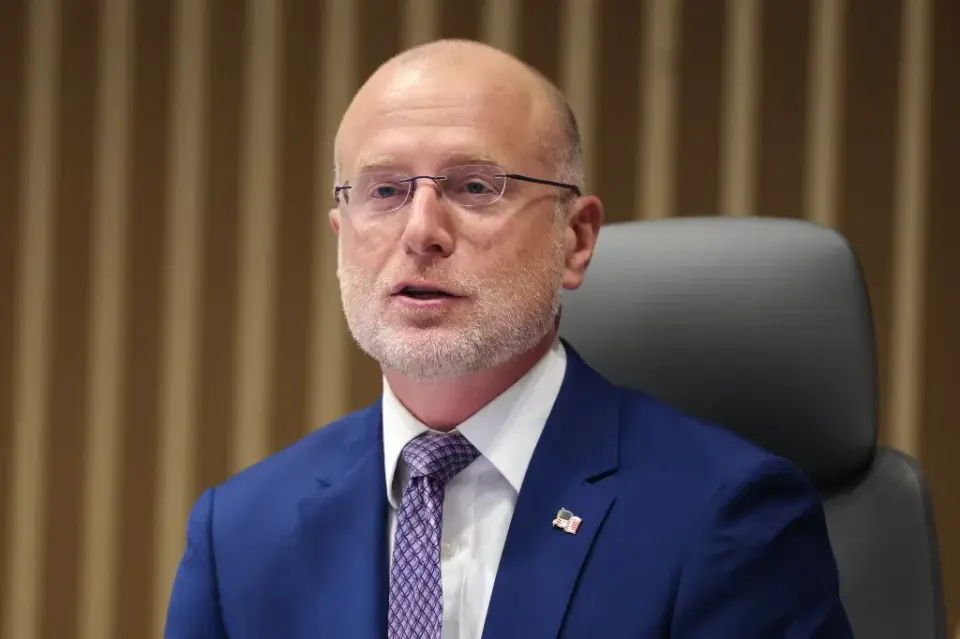
The Federal Communications Commission (FCC) voted 2-1 to repeal the 39% national cap on TV station ownership, replacing it with a case-by-case review system. This move, championed by Chairman Brendan Carr, aims to help local broadcasters compete with tech giants but faces immediate legal challenges and criticism from Democrats and some Republicans who argue only Congress can change the rule.
Key points
- The FCC voted 2-1 to repeal the 39% national cap on TV station ownership, replacing it with a case-by-case review system.
- FCC Chairman Brendan Carr argued the cap is outdated and prevents local broadcasters from competing with tech giants like Netflix and YouTube.
- The move benefits Nexstar Media Group, which is seeking to acquire Tegna in a $6.2 billion deal currently blocked by an antitrust lawsuit.
- Critics, including FCC Commissioner Anna Gomez and Senator Elizabeth Warren, called the decision unlawful and warned it would lead to media consolidation and reduced local news coverage.
- Some Republicans, including Senator Ted Cruz, expressed skepticism about the FCC's authority to repeal a rule set by Congress.
Background
The 39% cap was established by Congress in 2004, raising a previous 35% limit from the 1990s. The FCC had previously granted a one-time waiver to Nexstar for its Tegna merger, but a federal judge ordered the companies to keep operations separate due to an antitrust lawsuit. The FCC's decision to repeal the cap follows months of debate and a scheduled vote in August 2026.
How outlets are covering it
Supporters, including FCC Chairman Brendan Carr and Nexstar, argued the cap is outdated and prevents local broadcasters from competing with unregulated tech giants. They claimed the repeal would restore balance to the broadcast airwaves and allow local stations to attract capital and boost advertising. Critics, including FCC Commissioner Anna Gomez and Senator Elizabeth Warren, called the decision unlawful and warned it would lead to media consolidation, reduced local news coverage, and increased control by large national companies. Some Republicans, including Senator Ted Cruz, expressed skepticism about the FCC's authority to repeal a rule set by Congress, arguing that only Congress can change the cap. The National Association of Broadcasters praised the move, while consumer advocates and progressive groups like Free Press vowed to challenge the decision in court.
Why it matters
The repeal of the 39% cap could significantly reshape the media landscape in the US, potentially leading to increased consolidation and reduced local news coverage. It also raises questions about the FCC's authority to change rules set by Congress and the balance of power between the executive and legislative branches. The decision could have long-term implications for media diversity, local journalism, and the competitive landscape of the broadcasting industry.
What to watch
The FCC's decision is likely to face legal challenges, with critics arguing that only Congress can change the 39% cap. The outcome of these legal battles will determine whether the cap is reinstated or if the case-by-case review system will remain in place. The Nexstar-Tegna merger, currently blocked by an antitrust lawsuit, may also be affected by the repeal, potentially allowing the deal to proceed if the legal challenges are unsuccessful.
- FCC Removes Key Limit On Media Ownership, Raising Potential For Major Consolidation Of Broadcast TV Stations Deadline
- FCC Votes to Repeal National TV Ownership Limit WSJ
- Federal Communications Commission scraps limit on broadcast TV ownership NBC News
- FCC repeals national TV ownership cap, a win for Trump-aligned broadcasters CNN
- FCC scraps limit on local TV ownership in win for media conglomerates The Guardian
Want the full story? Read the original reporting
Read on Deadline