
7% Mortgage Rates Feel Painful Because Home Prices Are No Longer Normal
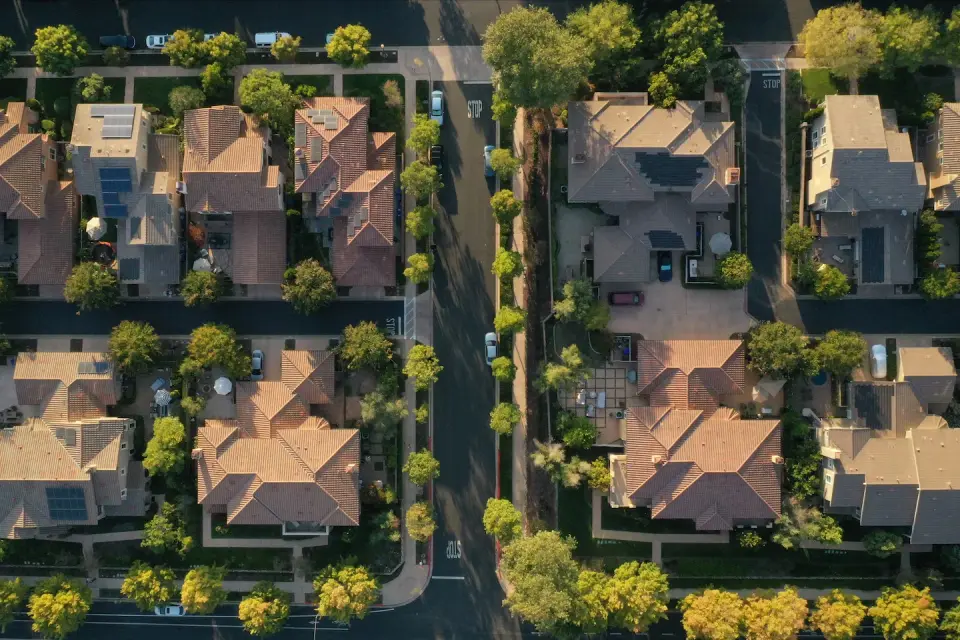
The average 30-year mortgage rate in the U.S. is currently 7.4%, a figure that feels unusually high to many buyers but was standard from the 1970s through the 1990s. The Washington Post explains that the current pain stems not from the interest rate itself, but from the combination of high rates with significantly elevated home prices, making homeownership far less affordable than in previous eras with similar rates.
Key points
- The average interest rate for a new 30-year mortgage in the United States is 7.4% this week.
- Rates above 7% were common and considered normal for decades, from the 1970s through the 1990s.
- Recent decades saw rates drop below 5% and sometimes below 3%, creating a new baseline for affordability.
- Current high rates are compounded by much higher home prices, increasing the price-to-income ratio.
- This combination makes the current market feel more painful than historical periods with similar interest rates.
Background
This story follows the broader trend of rising mortgage rates in 2026, which have strained buyer affordability. While previous archive entries focused on unrelated topics like media access and video games, the housing market has been a persistent concern for personal finance readers. The current situation highlights a shift from the low-rate environment of the early 2020s to a market where high rates coincide with high prices, a dynamic distinct from historical high-rate periods.
Why it matters
Understanding the distinction between historical rate norms and current affordability helps buyers and policymakers grasp why the current housing crisis feels more severe than past high-rate periods. It underscores that interest rates alone do not determine affordability; the interaction between rates and home prices is critical for household budgets and economic stability.
What to watch
Buyers may continue to face challenges as rates remain elevated and prices stay high. Policymakers and economists will likely monitor the price-to-income ratio and home sales data to assess the long-term impact on homeownership rates and economic growth.
Want the full story? Read the original reporting
Read on The Washington Post