
State of Retirement: Housing Costs Drive $500K Gap in Nest Egg Needs Across US
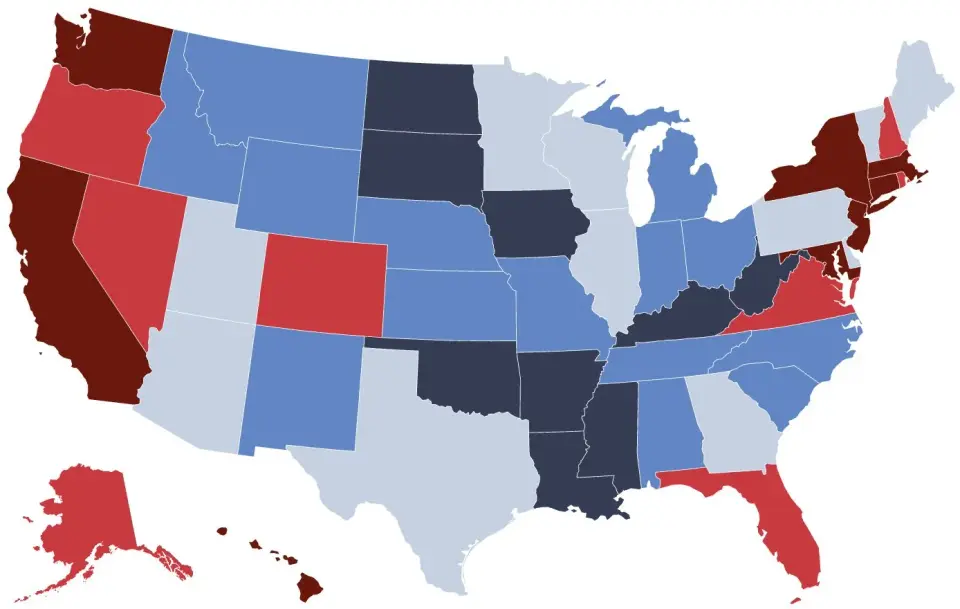
A new analysis indicates that a typical American couple needs approximately $1.16 million to retire comfortably, but this figure varies significantly by location. Housing costs are the primary driver of these differences, accounting for 27% of retirement expenses. While dual-earner couples require less savings than single-earner couples due to higher combined Social Security benefits, geographic location remains the most critical factor in determining the required nest egg.
Key points
- The national average nest egg required for a comfortable retirement for a couple is $1.16 million, ranging from $800,000 in North Dakota to $1.33 million in New Jersey and Hawaii.
- Housing costs account for 27% of a couple's retirement budget, creating the largest variance in expenses across different states.
- Dual-earner couples need roughly $916,000 saved, while single-earner couples require about $1.21 million, due to differences in combined Social Security benefits.
- A typical couple spends approximately $84,000 annually, with Social Security covering about 45% of that amount, leaving a $46,000 gap to be covered by savings.
- The analysis uses the 4% safe withdrawal rule to calculate the required nest egg, excluding state income taxes, long-term care costs, and property tax exemptions.
Background
This report builds on previous discussions regarding the impact of large investment portfolios on Social Security claiming strategies, as noted in July 2026. While earlier coverage highlighted how high-asset retirees might claim benefits earlier to allow their portfolios to compound, this new analysis focuses on the baseline savings required for a 'comfortable' retirement, which includes discretionary spending like travel and dining. It also contrasts with the typical monthly Social Security payouts of around $2,030 for retirement benefits reported in July 2026, showing how these benefits offset a portion of the total retirement budget.
Why it matters
Understanding the specific nest egg required for retirement in different states helps individuals make informed decisions about where to live and how much they need to save. The significant variation in costs, driven largely by housing, underscores the importance of location in retirement planning. Additionally, the difference in savings required for dual-earner versus single-earner couples highlights the financial impact of Social Security benefits, which can vary based on work history and spousal benefits.
What to watch
Individuals should review their current savings against the state-specific figures provided in the analysis to assess their readiness for retirement. Those in high-cost states may need to consider relocating to more affordable areas or increasing their savings rate. Additionally, couples should evaluate their Social Security claiming strategy, as the difference in required nest eggs between dual-earner and single-earner couples is substantial. Monitoring changes in housing costs and Social Security benefits will be crucial for adjusting retirement plans.
Want the full story? Read the original reporting
Read on AOL.com