
Mortgage Rates Hit 7.45% as Bond Selloff and Oil Prices Drive 19-Year Treasury High
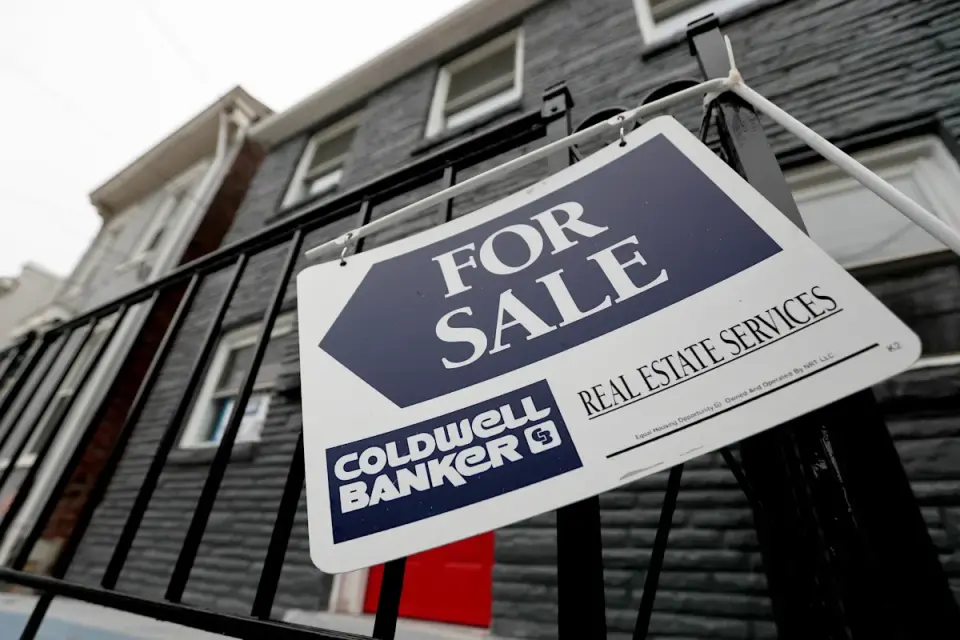
The average 30-year fixed mortgage rate surged to 7.45% on September 24, 2026, marking the highest level in over two years. This sharp 19-basis-point jump from the previous day was driven by a global bond market selloff, rising oil prices, and inflation concerns that pushed the 10-year Treasury yield above 5.2%, a 19-year high. While Freddie Mac reported a weekly average of 7.03%, daily surveys show rates have climbed significantly since early September, disrupting late-season home buying plans.
Key points
- The 30-year fixed mortgage rate reached 7.45% by late September 24, up 19 basis points from 7.26% the day prior, according to Mortgage News Daily.
- The 10-year Treasury yield exceeded 5.2% on Thursday, following a Wednesday close above 5.1%, reaching a 19-year high amid investor concerns over oil prices and inflation.
- Freddie Mac reported a weekly average 30-year rate of 7.03% through Wednesday, while the Mortgage Bankers Association calculated the average at 7.12%, the highest since May 2024.
- Zillow data for September 24 shows the 30-year fixed purchase rate at 7.20%, with 15-year fixed rates at 6.69% and 5/1 ARMs at 6.73%.
- Matthew Graham of Mortgage News Daily noted that rates first broke 7% on September 10 following inflation reports that raised the risk of Federal Reserve rate hikes.
- The afternoon bond selloff on September 24 lacked an obvious catalyst, with Graham describing the move as puzzling and driven by sellers deciding to sell a large volume of bonds.
Background
Mortgage rates have been on an upward trajectory since early September 2026, following a period of relative stability in August. In early September, rates surged to a 14-month high as bond yields rose and the Federal Reserve signaled potential rate hikes. By mid-September, rates hovered near 7%, with the 30-year fixed rate at 7.02%. The current surge represents a significant acceleration from these levels, driven by broader macroeconomic factors including oil prices and inflation concerns that have intensified investor anxiety in the bond market.
How outlets are covering it
Mortgage News Daily reported the sharpest daily move, with the 30-year rate jumping 19 basis points to 7.45% by late Thursday, while Freddie Mac's weekly survey showed a more gradual average of 7.03% through Wednesday. CNBC highlighted the puzzling nature of the afternoon bond selloff, with Matthew Graham noting there was no obvious catalyst for the move. Zillow's Kara Ng emphasized the impact on late-season home buyers, noting that turmoil in the Treasury bond market is disrupting plans for those hoping to purchase before the holidays. All sources agree that rising oil prices, inflation concerns, and Federal Reserve policy expectations are driving the rate increases, but they differ in their emphasis on the speed and magnitude of the move, with daily surveys showing more dramatic swings than weekly averages.
Why it matters
The surge in mortgage rates to a two-year high directly impacts housing affordability, making home purchases more expensive for buyers and potentially freezing the housing market. Higher rates also make refinancing less attractive, as the gap between current rates and new rates narrows. The 19-year high in Treasury yields signals broader economic uncertainty and could affect other borrowing costs. For the Federal Reserve, rising rates may complicate its efforts to manage inflation, as higher borrowing costs can slow economic activity but also increase the risk of recession if rates rise too quickly.
What to watch
Mortgage rates are likely to remain elevated in the near term, as the 10-year Treasury yield has reached a 19-year high and shows no signs of reversing. The Federal Reserve's next rate decision will be closely watched, as any further hikes could push mortgage rates even higher. Home buyers and refinancers may continue to face challenging conditions, with rates potentially remaining above 7% for the foreseeable future. The bond market's volatility could continue to drive mortgage rate fluctuations, making it difficult for borrowers to predict future rate movements. Long-term forecasts suggest rates may ease slowly over the next five years, but are unlikely to return to the low levels seen in 2020-2021.
- Mortgage rates surge to highest level in over two years: Mortgage and refinance interest rates today Yahoo Finance
- Mortgage rates top 7%, dealing a further blow to the frozen housing market CNN
- The Memo: Rising bond yields, mortgage rates deepening gloom for Trump’s GOP The Hill
- 30-year fixed mortgage rate jumps sharply Thursday to 7.45% cnbc.com
- Mortgage rates creep toward new high of 7.5% Yahoo Finance
Want the full story? Read the original reporting
Read on Yahoo Finance