
Eli Lilly sues six firms to curb illegal retatrutide sales ahead of 2027 approval
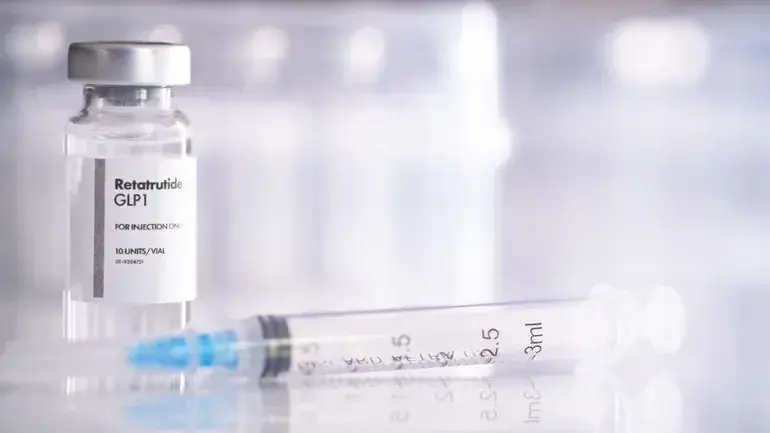
Eli Lilly has filed six lawsuits against U.S. companies illegally selling its experimental obesity drug retatrutide. The drug is still in Phase 3 trials and lacks FDA approval, yet a black market has emerged. Lilly is suing compounding pharmacies, medical spas, and online vendors, citing safety risks and brand damage. The company has referred over 200 entities to regulators and flagged 14,000 online listings. Lilly plans to seek FDA approval for retatrutide in early 2027.
Key points
- Eli Lilly filed six lawsuits against Aesthetic Envy, Astra Peptides, Legendary Peptides, Striker Pharmacy, Texas Peptides, and Lone Star Peptide for selling unapproved retatrutide.
- Retatrutide is an experimental triple-G weight-loss drug still in Phase 3 clinical trials; no regulatory agency has approved it for human use.
- Lilly alleges black-market products are unverified, potentially impure, and mis-dosed, posing significant safety risks to consumers.
- The company has referred over 200 individuals and entities to regulators, law enforcement, and licensing boards, and flagged more than 14,000 online listings across 100+ countries.
- Lilly plans to submit an application for FDA approval of retatrutide in early 2027, following strong Phase 3 results showing weight loss comparable to bariatric surgery.
- Some defendants, including Lone Star Peptide, Texas Peptides, and Aesthetic Envy, removed their retatrutide advertisements from their websites following the lawsuits.
Background
Eli Lilly has been expanding its obesity drug portfolio, recently launching the GLP-1 pill Foundayo and raising 2026 revenue guidance to $85-87B. Retatrutide, a triple-agonist targeting GLP-1, GIP, and glucagon, is a key pipeline asset. Lilly previously warned in March 2026 that GLP-1 knockoffs could be dangerous, escalating its conflict with compounding pharmacies. The FDA declared the GLP-1 shortage over in 2025, but compounders continued to sell unapproved versions, including retatrutide, despite regulatory warnings.
How outlets are covering it
BioPharma Dive and CNBC emphasize Lilly's legal and regulatory campaign, highlighting the safety risks of unverified products and the company's coordination with law enforcement. CBS News provides a more investigative angle, noting that some sellers are not just online vendors but also professional clinics and compounding pharmacies, and that convenience stores in Brooklyn were still advertising retatrutide as recently as August 8, 2026. CBS also notes that some sellers market the drug as 'research use only' but target consumers seeking self-injection. STAT's coverage is limited to a headline and brief mention, focusing on the broader biotech news cycle. All sources agree on the core facts of the lawsuits and the drug's unapproved status, but CBS adds detail on the persistence of the black market despite regulatory action.
Why it matters
The black market for retatrutide poses direct safety risks to consumers and threatens the commercial viability of Lilly's upcoming approved product. If consumers experience adverse effects from unverified products, they may associate those risks with Lilly's brand, potentially delaying adoption of the approved drug. The situation also highlights the ongoing challenge of regulating unapproved GLP-1 products in a market with high demand and limited supply. Lilly's aggressive legal and regulatory strategy may set a precedent for how pharmaceutical companies combat black markets for experimental drugs.
What to watch
Lilly plans to submit an application for FDA approval of retatrutide in early 2027. The company will continue to refer entities to regulators and law enforcement, and may file additional lawsuits. The FDA and other agencies may increase enforcement actions against sellers of unapproved GLP-1 products. The outcome of the lawsuits and the FDA's regulatory stance will influence the availability and safety of retatrutide in the U.S. market.
- Lilly files six lawsuits in bid to shut down ‘black market’ for retatrutide BioPharma Dive
- Eli Lilly takes aim at illicit market for its experimental weight-loss drug CBS News
- Lilly sues six companies over alleged illegal sales of experimental obesity drug retatrutide CNBC
- Eli Lilly targets booming black market for retatrutide STAT
- Eli Lilly tries to stop GLP-1 copycats Yahoo Finance
Want the full story? Read the original reporting
Read on BioPharma Dive