
Congressional Energy Bill Would Mandate Data Centers to Cover Grid Upgrade Costs
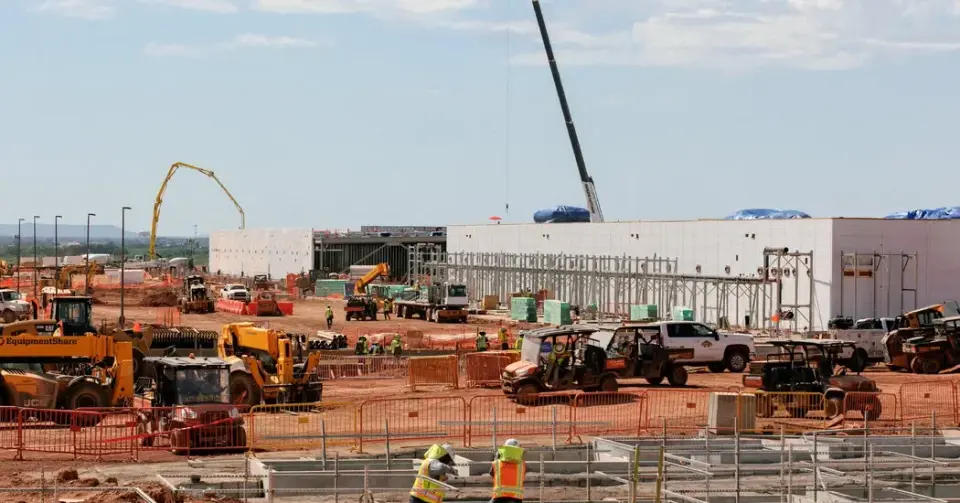
The U.S. Senate has advanced a sweeping energy permitting bill that aims to accelerate the construction of data centers and other energy projects by streamlining federal environmental reviews. However, the legislation includes a controversial provision requiring data centers to pay for grid upgrades, potentially costing them billions of dollars. This measure seeks to shift costs away from general ratepayers, such as households, while facilitating the rapid expansion of AI infrastructure. The bill, known as the Bipartisan American Affordability and Jobs Act, has faced opposition from environmental groups and tribal leaders due to weakened protections under the National Environmental Policy Act. Despite these concerns, the Senate passed the measure, though its future in the House remains uncertain following recent midterm elections that shifted control to Democrats.
Key points
- The Bipartisan American Affordability and Jobs Act (BAAJA) passed the Senate with a 73-25 vote, aiming to speed up federal environmental reviews for energy projects like transmission lines and gas pipelines.
- A key provision of the bill requires data centers to pay for grid upgrades, a change that could cost the industry billions of dollars over the next decade but save money for households and other ratepayers.
- The legislation seeks to make it easier for tech companies to build data centers to support artificial intelligence growth, but it faces criticism for weakening environmental protections under the National Environmental Policy Act and the Endangered Species Act.
- Environmental organizations and tribal leaders have opposed the bill, citing concerns over reduced community oversight and potential harm to local ecosystems, while industry groups and the White House support the measure for its potential to lower utility costs.
- The bill now faces uncertainty in the House, where new Democratic leaders have expressed reservations about its provisions, raising questions about whether it will pass during the current session or be delayed until the 120th Congress begins in January.
Background
This development follows recent midterm elections where voters expressed dissatisfaction with data center expansions, leading to a shift in congressional control. Earlier in November, the Senate released a revised version of the bill, known as the manager’s amendment, which modified transmission rules and data center provisions to address concerns from utilities and environmentalists. The legislation has been a contentious issue, with debates over balancing rapid infrastructure development with environmental safeguards and community interests. Additionally, the broader context includes significant financial commitments by AI companies, such as Anthropic’s $895 billion compute commitments, highlighting the growing demand for data center capacity and the associated energy costs.
Why it matters
The passage of this bill could significantly impact the cost and speed of data center construction, influencing the pace of AI development and the financial burden on consumers. By requiring data centers to pay for grid upgrades, the legislation aims to prevent ratepayers from bearing the costs of AI infrastructure, potentially leading to lower electricity bills for households. However, the weakened environmental protections and reduced community oversight could lead to long-term ecological and social consequences. The outcome of this bill will also set a precedent for future energy policy and the balance between technological innovation and environmental sustainability.
What to watch
The bill now moves to the House, where it faces potential resistance from new Democratic leaders who have expressed concerns about its provisions. The next steps will likely involve negotiations and amendments to address environmental and community concerns, as well as debates over the cost allocation for grid upgrades. If the bill passes, it could lead to a surge in data center construction, but it may also face legal challenges from environmental groups and tribal leaders. The 120th Congress, beginning in January, will play a crucial role in determining the final fate of the legislation and its implementation.
Want the full story? Read the original reporting
Read on The New York Times