
Senate Spending Bill Delays Federal Hemp Ban, Buying Time for Regulatory Debate
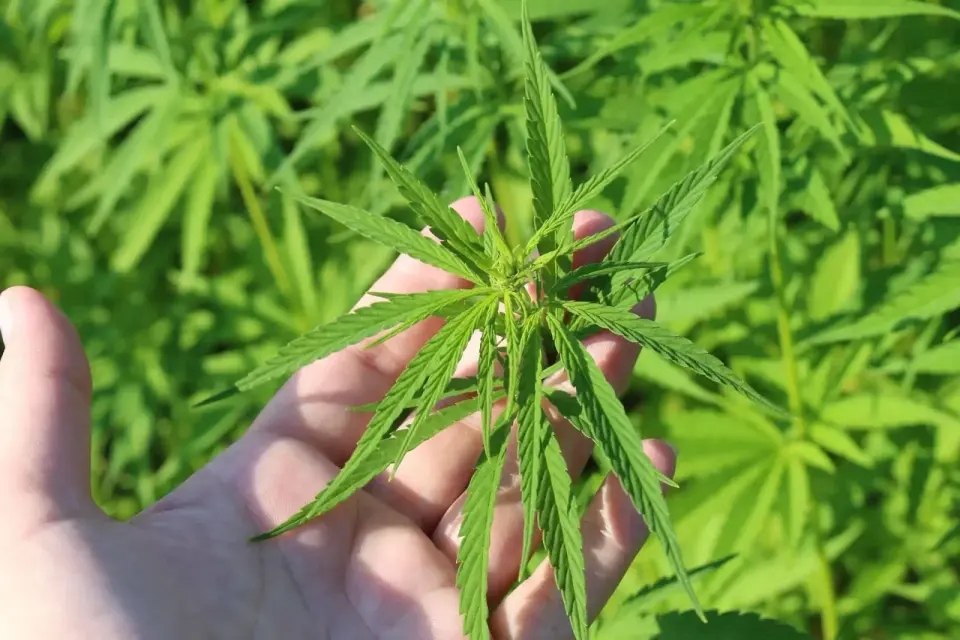
Senate leaders have inserted provisions into a new spending bill to delay the federal recriminalization of most hemp-derived THC products until December 11, 2026. This move prevents the immediate enforcement of a ban scheduled for November 12, which would restrict legal hemp products to those containing less than 0.4 milligrams of total THC per container. While the House passed a version of the bill without these delays, the Senate’s inclusion of the provision creates a potential path for further legislative action. Industry advocates view this as a critical lifeline, allowing time to push for comprehensive regulations rather than outright prohibition. The delay does not cover synthetic cannabinoids, which remain subject to immediate recriminalization. This development follows months of pressure from the White House and bipartisan lawmakers to prevent the collapse of the hemp market, which industry groups estimate could lose 95% of its retail value under the current rules.
Key points
- Senate Appropriations Committee leaders included a provision in a spending bill to delay the federal ban on hemp THC products until December 11, 2026.
- The original ban, set for November 12, 2026, would limit legal hemp products to those with less than 0.4 milligrams of total THC per container.
- The House passed a version of the continuing resolution without the delay provision, meaning the Senate’s version must now pass the House to take effect.
- Synthetic cannabinoids that cannot be naturally produced by Cannabis sativa L. plants are excluded from the delay and will face immediate recriminalization on November 12.
- The White House and President Trump have publicly urged Congress to delay or reverse the ban, citing the importance of full-spectrum CBD products for consumers and farmers.
- Bipartisan legislation, including the Lawful Hemp Protection Act, seeks to establish a regulatory framework with age limits, labeling requirements, and taxes instead of a blanket ban.
Background
In 2018, the Farm Bill federally legalized hemp with less than 0.3% delta-9 THC. Late in 2025, new legislation redefined hemp to restrict legal products to those with less than 0.4 milligrams of total THC per container, effective November 12, 2026. This shift threatened to recriminalize a significant portion of the hemp market, including popular CBD and low-dose THC products. State-level actions, such as Texas’s ban on delta-8 and other synthetic cannabinoids, have already begun to impact the market, with some states imposing felony penalties for possession of banned products. The current federal delay provides a temporary reprieve, but the long-term regulatory path remains uncertain.
How outlets are covering it
Marijuana Moment highlights the Senate’s move as a 'landmark victory' for the hemp industry, emphasizing the need for comprehensive regulations over prohibition. The Advocate focuses on the local impact in Baton Rouge, where retailers like Rad Dad Alternative Wellness face potential closure due to the ban, noting that THC seltzers have become a major revenue source. NutraIngredients.com details the bipartisan Lawful Hemp Protection Act, which proposes raising the legal THC threshold to 1% and establishing FDA standards, though it faces criticism over its fallback provision allowing 5 mg of THC per serving in dietary supplements. Courthouse News underscores the human impact, citing business owners like Joe Salome who fear losing their livelihoods, and notes the broader societal implications of recriminalization, including the continued imprisonment of nonviolent cannabis offenders. The sources vary in emphasis, with some focusing on legislative strategy, others on economic impact, and still others on consumer and social consequences.
Why it matters
The delay in the federal hemp ban provides a crucial window for Congress to develop a regulatory framework that balances consumer access with safety. Without this delay, the November 12 ban would likely eliminate 95% of the hemp market, affecting hundreds of thousands of jobs and disrupting a $37.5 billion industry. The outcome of this legislative battle will shape the future of hemp-derived products, including CBD and low-dose THC items, and could influence state-level regulations. The debate also highlights the tension between prohibition and regulation, with advocates arguing that a regulated market is safer and more effective than a blanket ban. The resolution of this issue will have significant implications for public health, economic stability, and the broader cannabis policy landscape in the United States.
What to watch
The Senate must pass its version of the spending bill, which includes the delay provision, and then the House must approve it for the delay to take effect. Lawmakers are expected to continue working on the Lawful Hemp Protection Act and other proposals to establish a regulatory framework for hemp-derived products. The White House and industry advocates will likely push for further delays or comprehensive legislation before the December 11 deadline. State-level actions may also continue to evolve, with some states potentially enacting their own bans or regulations in response to the federal uncertainty. The outcome of these legislative efforts will determine whether hemp-derived products remain legal and regulated or face recriminalization.
- Senate Gives Hemp THC Products A Lifeline By Including Provisions To Delay Planned Federal Ban In New Spending Bill marijuanamoment.net
- A federal CBD ban is putting Louisiana businesses at risk. See how this company is handling it. The Advocate
- Bipartisan hemp bill seeks federal pathway for cannabinoid products NutraIngredients.com
- ‘Potential catastrophe’: Local hemp beverage industry fights to survive looming federal THC ban wwltv.com
- Hemp businesses, consumers fear impacts of federal ban Courthouse News
Want the full story? Read the original reporting
Read on marijuanamoment.net