As the House returns, Speaker Mike Johnson faces internal GOP divisions and campaign demands that could push the chamber to cut its session short, with plans to fast-track a Senate-passed funding bill while many other items stall in the Senate and on the calendars ahead of the November elections.
Senate Republicans punt a sweeping Trump-backed spending package, delaying action on a defense-heavy budget framework that would bypass a filibuster via budget reconciliation. With September votes uncertain and vulnerable senators in play ahead of the November election, leaders hint final passage could slip into the post‑election lame‑duck session as they recalibrate after pushback on items like food aid and other provisions in the plan.
Administration officials are pressing Senate Republicans to back a $1 billion security fund that could be used for parts of Trump’s ballroom project, arguing it’s needed for White House protection amid rising threats. House Republicans criticize the timing amid high gas and grocery prices, and many doubt the votes exist to pass the measure. The provision is part of a larger, party-line immigration-focused spending package that lawmakers hope to strip out in the Senate via Byrd-bath conversations and committee votes planned for next week, with ongoing debates about whether it will survive floor action in both chambers.
Senate leaders are racing to secure a bipartisan funding package that would keep the government open by midnight, funding the DHS and other agencies amid last-minute negotiations and partisan pressure.
Bipartisan Senate Democrats blocked the sprawling six‑bill funding package in a 45‑55 vote, demanding that funding for the Department of Homeland Security (DHS) – which includes ICE – be separated from the rest of the package to renegotiate. If no split is agreed, funding for several federal agencies could lapse at week’s end, though talks are intensifying toward a deal that could keep DHS temporarily funded while other agencies proceed. Any agreement would still need approval from both chambers, with potential delay until Monday, and ICE could remain operational even without DHS funding via last summer’s policy package. Senate leaders signaled progress as White House and lawmakers press for a last-ditch compromise, including ICE policy changes desired by Democrats.
A partial U.S. government shutdown could begin Saturday at 12:01 a.m. if the Senate does not advance a $1.2 trillion spending package, with Democrats demanding DHS funding be stripped and the House on recess to approve any changes; agencies including the IRS would be affected while some services like Social Security would continue, and the outcome hinges on whether the Senate and House can agree before the deadline.
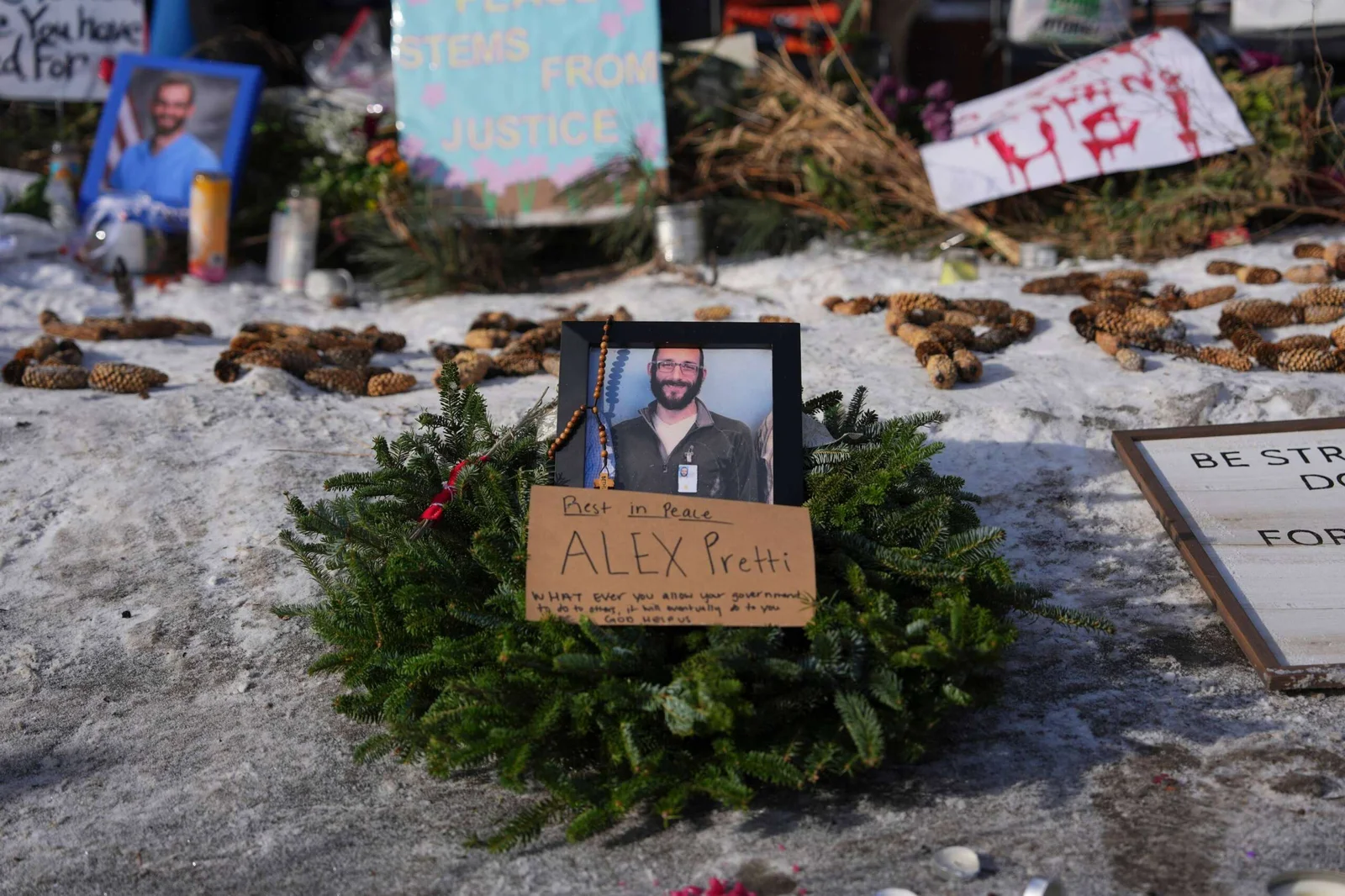
In the wake of a Border Patrol shooting that killed a Minneapolis VA nurse, Senate Democrats are urging the DHS funding portion be pulled from the six-bill package to allow changes to Homeland Security spending as lawmakers haggle the rest before a looming deadline.
Lawmakers clinched a bipartisan health care package to be attached to the next government funding bill, including a crackdown on pharmacy benefit managers, renewals of public health programs, and $4.6 billion for community health centers; however, the broader health care affordability agenda pushed by Donald Trump is unlikely to pass on Capitol Hill due to GOP divisions, Senate rules, and reluctance to pursue more health initiatives via budget reconciliation.
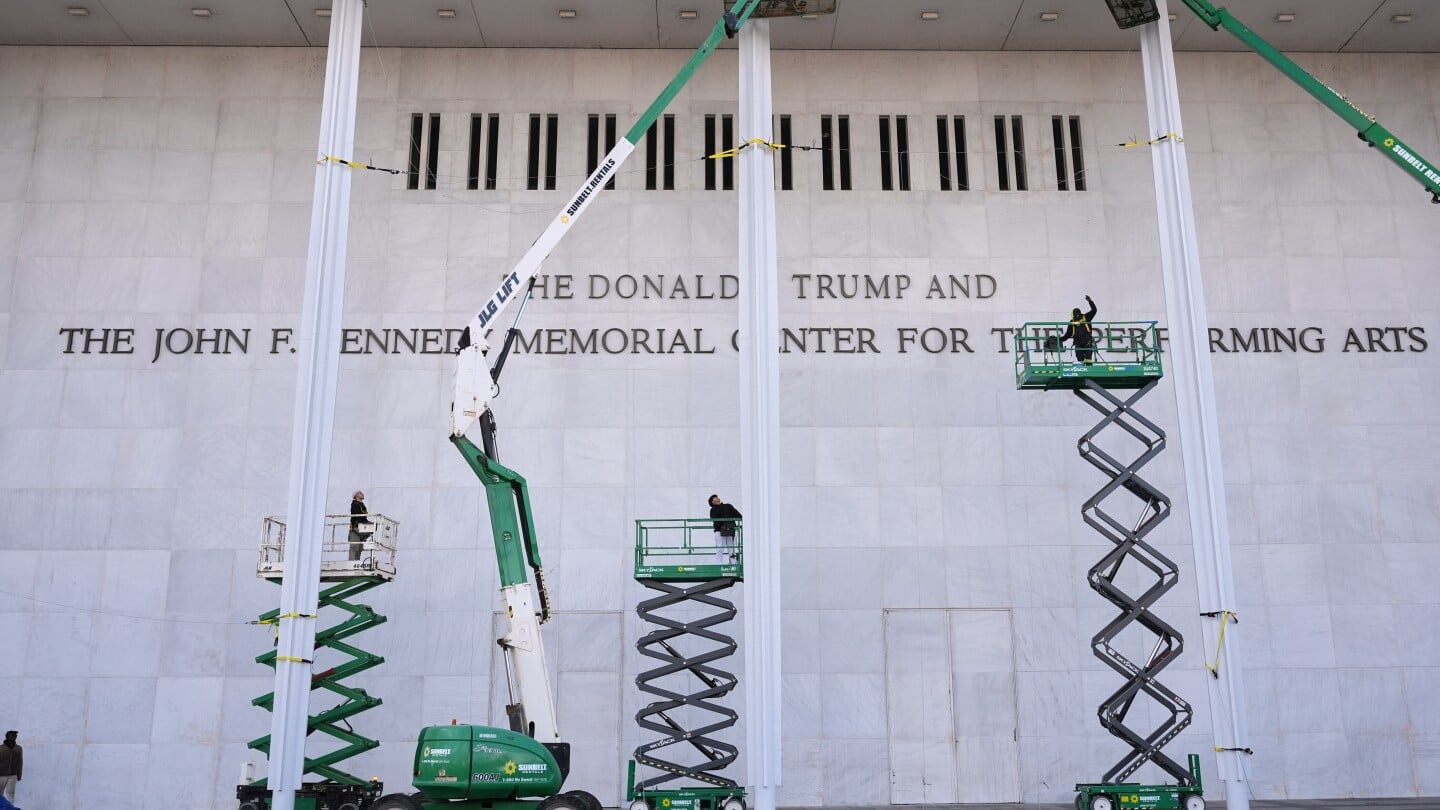
A bipartisan spending bill allocates $32 million for the Kennedy Center, despite ongoing controversy over President Trump's attempt to rebrand the venue with his name, which conflicts with federal law and has led to legal challenges and declining attendance.
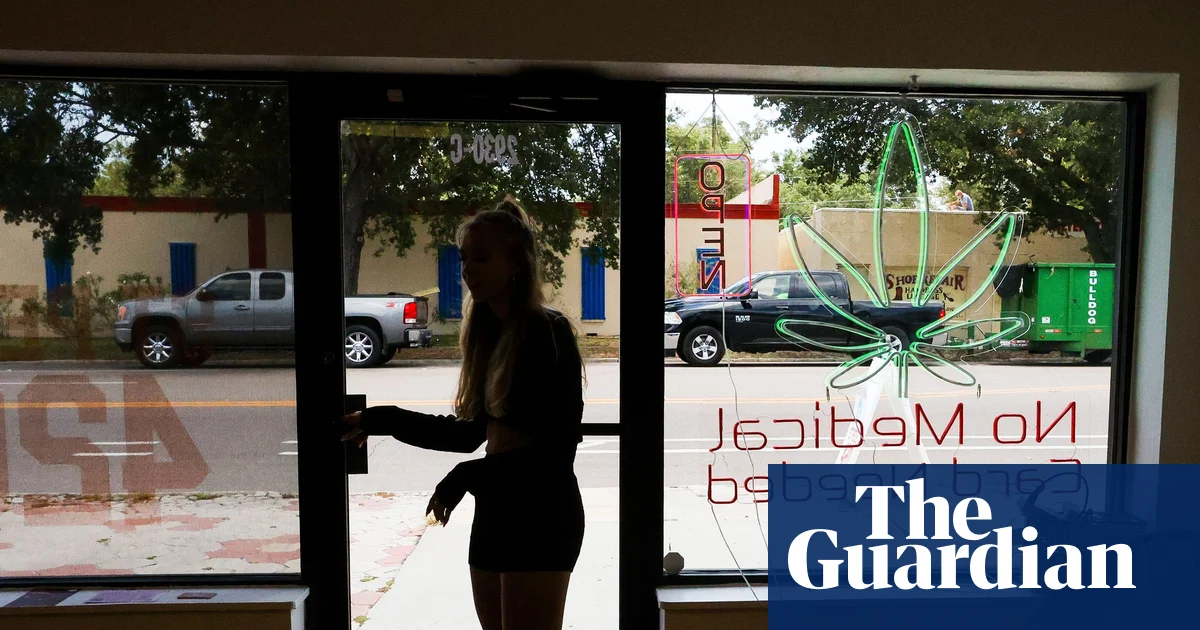
A last-minute provision in a federal spending bill aiming to restrict hemp-derived products like CBD and THC has caused disquiet among Republicans, especially in hemp-producing Kentucky, threatening the bill's passage and the end of the government shutdown. The provision, which bans products with more than 0.4 mg of THC per container, is opposed by some lawmakers and industry leaders who argue it could lead to an unregulated market and harm consumers. The bill is expected to pass with some opposition, and advocates hope to replace the ban with more thoughtful regulations.
A bipartisan deal has been reached to fund Congress and related agencies for the current fiscal year, including increased security measures and full funding for the Government Accountability Office, aiming to end the government shutdown. The package also includes funding for veterans, defense infrastructure, and other federal programs, with ongoing negotiations and votes expected to finalize the agreement.
Democrats are weighing whether supporting a full-year appropriations bill will weaken their negotiating position amid a government shutdown, as Republicans push to include defense and other funding measures, with key votes and negotiations ongoing in the Senate.
The US government shutdown has escalated into a major political crisis, exposing deep divisions within Congress, with no clear resolution in sight, as tensions rise and the impact on federal workers and military families grows.
President Trump assured Navy sailors that their paychecks would be restored despite the ongoing government shutdown caused by congressional deadlock over a spending bill, with the shutdown affecting federal employees including service members who will receive back pay. House Republicans claim to have passed a clean funding bill, but the Senate has yet to approve it, leaving the government partially closed.
The US government shutdown continues as Republicans and Democrats fail to agree on a funding bill, with Trump cutting funds for Democratic states and threatening layoffs, highlighting political deadlock and economic concerns.