
Midterm Shifts Threaten Defense, Healthcare, and Crypto Policy Stability
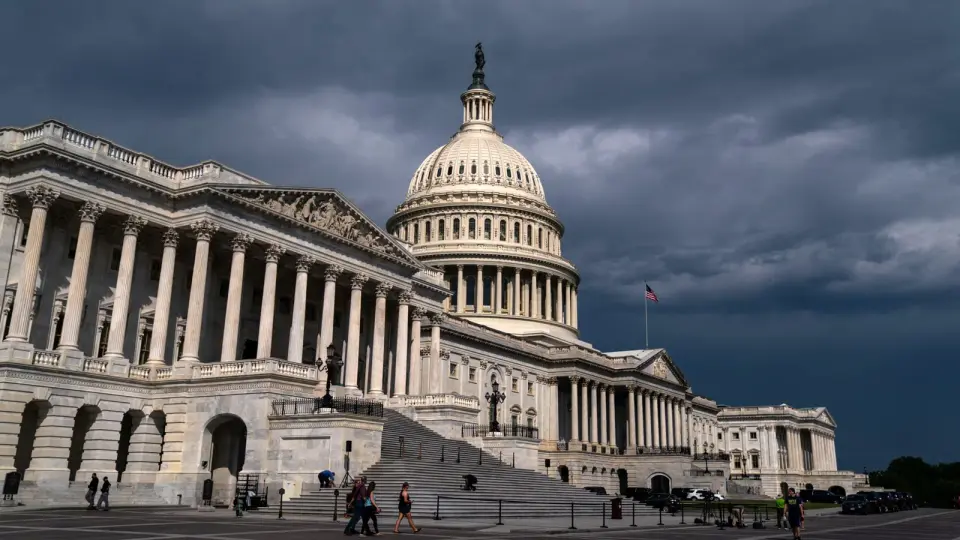
A Democratic gain in either chamber of Congress could reshape corporate policy in defense, healthcare, and crypto. While divided government historically boosts stock returns, analysts warn that 2026 may differ due to active investigations and legislative gridlock. Key sectors face risks from subpoena power, Medicaid funding cuts, and stalled crypto legislation.
Key points
- Democratic control of either chamber grants subpoena power, potentially targeting companies like Apple and Nvidia over White House donations.
- Molina Healthcare derives 75% of revenue from Medicaid, which faces $911 billion in projected cuts through 2034 under current law.
- The Senate failed to pass the Clarity Act in September, leaving crypto firms like Coinbase vulnerable to future regulatory shifts.
- Hyperscalers plan over $1 trillion in AI data center spending for 2027, but face rising opposition and potential cost-shifting mandates.
- Lockheed Martin’s 850 F-35 jet deal requires congressional authorization, which could be delayed or altered by a new Congress.
Background
Recent resignations within the Make America Healthy Again coalition, including Calley Means, highlight internal Republican fractures over healthcare and food policy. These tensions may influence voter sentiment and legislative priorities in the upcoming midterms, particularly regarding corporate influence in health sectors.
How outlets are covering it
Morgan Stanley notes that divided government historically yields higher S&P 500 returns (23% vs. 16%), but cautions that 2026 may not follow this pattern due to active Democratic investigations. Morningstar data suggests unified government historically outperforms divided government, contradicting conventional wisdom. Both sources agree that uncertainty drives volatility, but differ on whether gridlock or policy enactment benefits markets more.
Why it matters
Corporate strategy depends on regulatory stability. A shift in congressional control could alter defense contracts, healthcare funding, and crypto rules, directly impacting revenue for major firms. Investors must assess which sectors benefit from gridlock versus those exposed to new oversight.
What to watch
Watch for Democratic committee hearings targeting corporate donors, potential delays in Medicaid cuts, and Senate action on crypto legislation. State-level decisions on AI data center costs will also influence project timelines and costs.
- Defense, healthcare, crypto and AI: How the midterm election could affect stocks CNBC
- Investors gaming out Congress control for spending, AI outlook Reuters
- Bond investors sit out ‘most consequential’ US midterm elections in years Financial Times
- Why the Markets Don’t Care About the Midterms The New York Times
- Here's what to expect from the stock market on Election Day USA Today
Want the full story? Read the original reporting
Read on CNBC