
2026 Midterms: Voters Reject Data Centers in 40 of 41 Ballot Measures, Shifting AI Politics
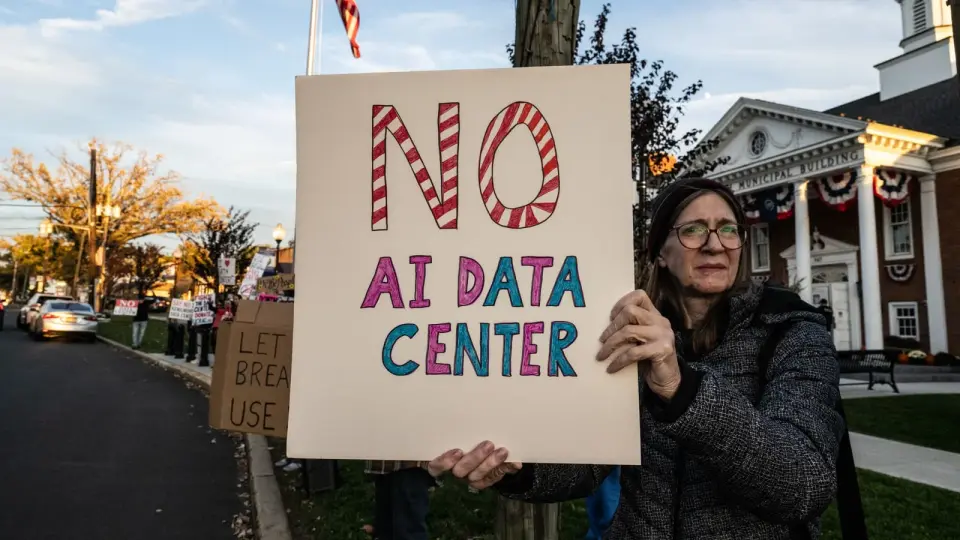
US voters overwhelmingly rejected data center expansion in the 2026 midterms, passing restrictions in 40 of 41 local measures across 10 states. This backlash helped Democrats win key governorships in Texas and Ohio, threatening the AI industry's massive infrastructure buildout. Wall Street reacted negatively, with analysts warning that new political hurdles could slow the development of 800 to 1,000 planned data centers. The results signal a significant shift in public sentiment, with 56% of voters citing data centers as a major factor in their decisions.
Key points
- Voters rejected pro-data center measures in 40 of 41 local ballot measures across 10 states, with only Harwood, North Dakota, voting against restrictions.
- Democrats won key governorships in Texas and Ohio, where candidates campaigned on opposing data center expansion and protecting local communities.
- The AI industry faces new political hurdles, with analysts warning that Democratic control of Congress and state legislatures could slow the buildout of 800 to 1,000 planned data centers.
- Silicon Valley spent record sums on the 2026 midterms, with 14 of the 20 largest donor groups backing Republicans, but many of these efforts failed to sway voters.
- The backlash against data centers is seen as a precursor to broader political shifts regarding AI, with Democrats calling for AI executives to testify under oath.
Background
This election followed months of growing public anxiety over AI and data center construction, with over 70% of Americans opposing data center construction in their area. In Ohio, a bipartisan grassroots movement had mobilized volunteers across nearly all 88 counties to challenge the rapid expansion of hyperscale AI data centers, leading to 21 local ballot measures. The tech industry had spent hundreds of millions of dollars to combat regulations and candidates they deemed a threat, but the 2026 midterms marked the first nationwide contest where Silicon Valley's influence was directly tested and largely rejected.
How outlets are covering it
CNBC emphasizes the sheer scale of the voter rejection, noting that 40 of 41 local measures opposed data centers, and highlights the political risk for the AI infrastructure buildout. The Atlantic frames the results as a broader repudiation of Silicon Valley, noting that candidates who blasted tech companies won easily and that at least nine governors supporting a statewide data center ban will be in office next year. Yahoo Finance focuses on the market impact, with analyst Dan Ives warning that Democratic control of the Senate will create major hurdles for AI legislation and slow the pace of 800 to 1,000 planned data centers. All three sources agree that the 2026 midterms marked a turning point in the political landscape for AI and data centers, but they differ in their emphasis: CNBC on the ballot results, The Atlantic on the broader cultural shift, and Yahoo Finance on the financial implications.
Why it matters
The 2026 midterms signal a significant shift in public sentiment regarding AI and data centers, with voters rejecting expansion in nearly every local measure. This backlash threatens the AI industry's massive infrastructure buildout, which is expected to cost over $500 billion in Ohio alone. The results also highlight the growing political risk for tech companies, with Democrats calling for AI executives to testify under oath and warning that the data center fight is just the beginning of a broader AI earthquake upending American politics. The market reaction, with AI-related stocks dropping, suggests that investors are concerned about the new political landscape and the potential slowdown in AI capex.
What to watch
The next steps will likely involve negotiations between tech companies and the new Democratic leadership in Congress and state legislatures. Analysts expect that the political headwinds will force a slowdown in AI capex, with companies needing to embrace the new political landscape. The results may also lead to increased scrutiny of AI executives, with Democrats calling for them to testify under oath. The long-term impact on the AI industry's infrastructure buildout remains uncertain, but the 2026 midterms have clearly signaled a shift in public sentiment and political power.
- Voters rebuff data centers in every ballot measure except one during the 2026 midterms CNBC
- Silicon Valley’s Very Bad Night The Atlantic
- SpaceX, Tesla stocks sink as analyst warns Democrats' victory will create 'major hurdles' for AI build-out Yahoo Finance
- Democratic blue wave will slow data center construction and force tech to the negotiating table Fortune
- The midterm election results are redrawing the map for AI data centers MarketWatch
Want the full story? Read the original reporting
Read on CNBC