
Nvidia Scandal Fuels Bipartisan Push to Tighten AI Chip Export Rules
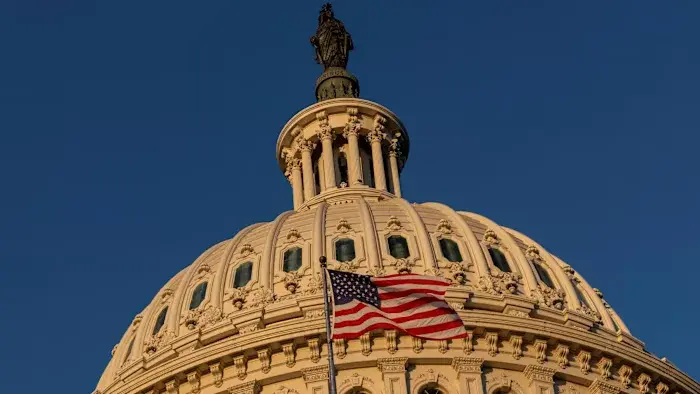
Following the resignation of Nvidia CEO Jensen Huang amid a scandal involving a suspected Chinese spy, US lawmakers are accelerating efforts to restrict advanced AI chip exports to China. Bipartisan support has grown for bills that would give Congress greater oversight over chip sales and block remote access to restricted technology. These measures are likely to be attached to the annual National Defense Authorization Act, a must-pass bill that limits the president's ability to veto. While the scandal has intensified scrutiny of the Trump administration's export policies, some analysts doubt that comprehensive regulatory reform will be achieved before the current Congress ends.
Key points
- Jensen Huang resigned as Nvidia CEO after reports of an affair with a woman suspected of being a Chinese spy linked to Megaspeed, a Singapore-based company accused of smuggling chips to China.
- Bipartisan support has surged for legislation, including the Remote Access Security Act, which would prevent Chinese companies from remotely accessing restricted chips via cloud services.
- Lawmakers plan to attach these export control measures to the National Defense Authorization Act (NDAA), a must-pass bill that is unlikely to face a presidential veto.
- Three House Republican committees have demanded testimony from Huang, Nvidia's general counsel, and Commerce Secretary Howard Lutnick to assess national security risks.
- Treasury Secretary Scott Bessent accused the Commerce Department of delaying efforts to add Megaspeed to the US entity list, highlighting internal administration conflicts over export enforcement.
Background
This development follows Jensen Huang's resignation on November 12, 2026, which triggered a significant drop in Nvidia's stock value and immediate congressional demands for testimony. Earlier reports indicated that the Justice Department had not yet determined if the woman in question was a spy, while Nvidia disputed allegations of targeted espionage. The current legislative push builds on previous bipartisan calls for stricter controls, now intensified by the scandal and recent midterm election results.
How outlets are covering it
The Financial Times emphasizes the accelerated legislative momentum, noting that the scandal has supercharged efforts to pass export control bills and that the NDAA provides a viable vehicle for these measures. CNBC frames the event as a potential watershed moment for the relationship between business and government, suggesting that the scandal and voter concerns over corruption may lead to greater separation between tech executives and the White House. The San Francisco Standard highlights the bipartisan outrage and the potential for long-term regulatory changes, while also noting skepticism from some former officials that comprehensive reform will be achieved quickly. The TelegraphHerald source was inaccessible and provided no relevant information.
Why it matters
The outcome of these legislative efforts could significantly impact the global AI landscape by restricting the flow of advanced US technology to China. It also signals a potential shift in the relationship between tech corporations and the US government, with increased scrutiny of executive influence on policy and national security decisions.
What to watch
Lawmakers are expected to finalize the text of the NDAA before the current Congress ends in December. Testimony from Huang and Lutnick is anticipated in December, with subpoenas threatened if they refuse to appear. The new Congress, taking office in January, will likely continue to debate and potentially pass additional export control measures.
- Congress moves to pass tighter AI chip export rules following Nvidia scandal Financial Times
- Huang's downfall may undo cozy ties between business and government: analysis CNBC
- Democrats Vie to Lead Nvidia Probes Next Year WSJ
- Is the Nvidia scandal souring Washington’s Silicon Valley love affair? The San Francisco Standard
- Nvidia TelegraphHerald.com
Want the full story? Read the original reporting
Read on Financial Times