
Crypto and AI PACs suffer major losses in 2026 midterms despite $250 million spend
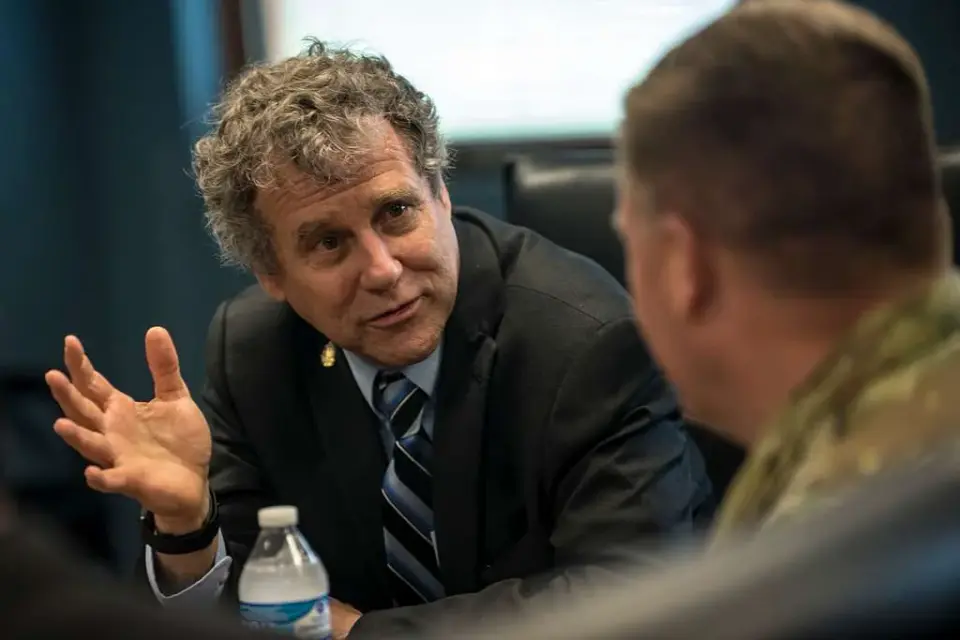
Crypto and AI-backed super PACs spent $250 million in the 2026 midterms but suffered significant defeats in competitive races. While the industries won all 40 safe seats they targeted, they lost nine of twelve competitive races. The most notable failure was in Ohio, where Democrat Sherrod Brown defeated Jon Husted despite $64 million in crypto opposition spending. This marks a sharp reversal from 2024, when the same groups claimed a 91% win rate.
Key points
- Crypto and AI PACs spent $250 million total, with $74.7 million going to losing candidates in competitive races versus $28.3 million for winners.
- Sherrod Brown won the Ohio Senate race despite $64 million in crypto spending against him, the largest single-race expenditure in the industry's history.
- Democrats won competitive Senate races in South Carolina, Michigan, Iowa, Texas, and Maine despite significant opposition spending from crypto and AI groups.
- The Fairshake super PAC network, backed by Coinbase and others, had previously claimed a 91% win rate in 2024, but this cycle saw a 40-0 record only in safe seats.
- Chris Larsen, a crypto billionaire, spent $22.5 million supporting AI regulation and clean energy, contrasting with the pro-deregulation stance of other tech donors.
Background
In 2024, crypto-backed groups like Fairshake achieved a 91% win rate, leading industry figures to claim a mandate. In October 2026, Fairshake deployed over $120 million to support 32 House candidates and $30 million specifically in the Ohio Senate race. The 2026 midterms represent a test of whether this financial leverage can translate into legislative control, particularly in competitive districts where the industry had previously struggled to influence outcomes.
How outlets are covering it
The New York Times frames the Ohio result as a rare loss for the crypto industry under a pro-crypto administration, highlighting the $46 million spent by Fairshake against Sherrod Brown. Politico emphasizes the broader 'Silicon Valley nightmare' in Ohio, noting that major tech figures like Larry Ellison and Brad Smith backed the losing Republican candidate, suggesting a potential political reckoning for Big Tech. Business Insider focuses on Chris Larsen, a crypto billionaire who spent tens of millions to support AI regulation and clean energy, contrasting his left-leaning approach with the right-leaning spending of figures like Elon Musk. Citation Needed provides the comprehensive financial breakdown, noting that while the industries won all safe seats, they lost nine of twelve competitive races, undermining the 'back the winners' strategy that had previously yielded high win rates.
Why it matters
The failure of crypto and AI PACs to win competitive races despite massive spending suggests that financial leverage may not guarantee legislative control in key districts. This could embolden politicians in both parties to push for stricter regulations on these industries, as the 'fear factor' that previously deterred lawmakers may be diminished. The results also highlight a split within the tech industry, with some billionaires like Chris Larsen actively supporting regulation, while others continue to fund pro-deregulation candidates.
What to watch
A longer postmortem from Citation Needed is expected next week, once more close races are called and the industries have had time to react. The Fairshake network and other crypto PACs will likely reassess their 'back the winners' strategy, which has proven effective in safe seats but ineffective in competitive races. The outcome of the remaining close races in Michigan, California, Montana, and Arizona will further clarify the industry's political influence.
- Crypto and AI’s $250 million election goes sideways Citation Needed by Molly White
- Sherrod Brown’s Win in Ohio Is a Rare Loss for Crypto Under Trump The New York Times
- Crypto's election spending powerhouse faces a reckoning after Sherrod Brown's win CoinDesk
- The Senate race giving Big Tech the chills Politico
- This crypto billionaire is spending tens of millions in the midterms to take on AI companies and the GOP Business Insider
Want the full story? Read the original reporting
Read on Citation Needed by Molly White