
Fed's Rate Hike Defies Trump's Pleas, Leaving GOP Vulnerable Before Midterms
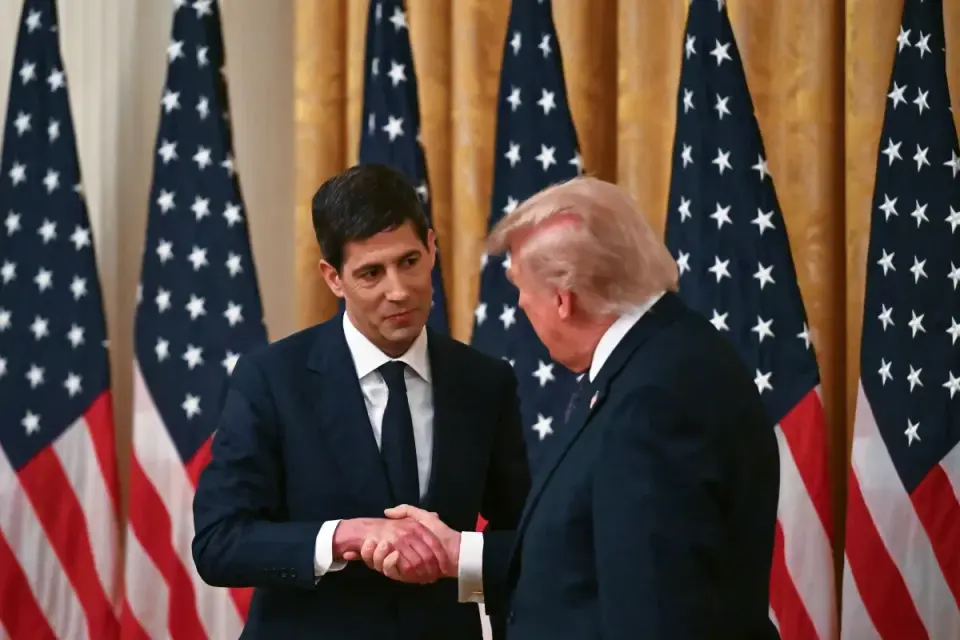
President Donald Trump is demanding the Federal Reserve cut interest rates to boost the economy before the November 2026 midterms, but the central bank has instead raised rates. Fed Chair Kevin Warsh, appointed by Trump in May, increased rates to a 3.75%-4.00% range in September, the first hike in three years. Trump, whose approval ratings are falling, has threatened to halt trade with deficit nations and accused the Fed of bias. Experts say a rate cut is unlikely due to persistent inflation, leaving the president without an economic rescue ahead of the election.
Key points
- Fed Chair Kevin Warsh raised interest rates to 3.75%-4.00% in September, defying President Trump's demands for lower rates.
- Trump threatened to stop trading with countries with which the US has a deficit, accusing the Fed of 'Trump derangement syndrome.'
- Inflation remains above the 2% target, with the Fed projecting it will not return to target until 2029.
- Trump's approval rating has dropped, and he faces a challenging midterm election environment with high gas prices and mortgage rates.
- The Fed's independence appears intact, with no evidence of White House influence on the rate decision.
Background
This follows a period of intense pressure from President Trump on the Federal Reserve, including his previous clashes with former Chair Jerome Powell. The current situation is exacerbated by the ongoing Iran conflict, which has driven up energy prices and contributed to inflation. Trump's administration has also faced criticism for its handling of the economy, with voters expressing frustration over high costs of living. The Fed's decision to raise rates, despite Trump's pleas, highlights the central bank's commitment to its mandate of controlling inflation, even at the risk of political backlash.
How outlets are covering it
TPM emphasizes the political fallout for Trump, noting his falling approval ratings and the likelihood that the Fed will not cut rates due to persistent inflation. TPM highlights the Fed's independence and the potential for further rate hikes. Yahoo focuses on Trump's public outbursts, including his accusations of 'Trump derangement syndrome' and his threats to halt trade with deficit nations. International Finance provides a broader economic context, linking the rate hike to the Iran conflict, energy price shocks, and the Fed's long-term inflation projections. It also notes the potential for further rate hikes and the impact on consumer confidence and spending.
Why it matters
The Fed's decision to raise rates, despite Trump's demands, has significant implications for the US economy and the 2026 midterms. Higher interest rates can lead to increased borrowing costs, reduced consumer spending, and potentially slower economic growth. This could negatively impact Trump's approval ratings and the Republican Party's chances of maintaining control of Congress. The Fed's independence and its commitment to controlling inflation are crucial for maintaining economic stability and investor confidence. Any perception of political influence on the Fed could lead to market volatility and further economic uncertainty.
What to watch
The Federal Reserve is set to vote on interest rates again on October 28. Experts expect the Fed to maintain its current rate stance or potentially raise rates again, depending on inflation data. Trump is likely to continue pressuring the Fed and may seek other ways to influence the economy, such as regulatory relief for fuel prices. The outcome of the midterms will depend on the economic environment, including inflation, gas prices, and consumer confidence. The Fed's decisions and the political response will shape the economic landscape in the coming months.
- Trump Wants the Fed to Rescue Him Ahead of the Midterms. That’s Probably Not Going to Happen. Talking Points Memo
- Trump says Federal Reserve Board would like to see the country do badly Yahoo
- Trump Says Inflation Could Pay Down the Debt ‘Very Rapidly’ WSJ
- US Midterms: Frustrated voters, Trump’s low interest rate push and Fed’s stoic stance https://internationalfinance.com/
- Here We Go! President Donald Trump Just Threw Fed Chair Kevin Warsh Under the Bus Over Interest Rates. The Globe and Mail
Want the full story? Read the original reporting
Read on Talking Points Memo