
Lagarde Resigns Early to Shield ECB from French Political Shift
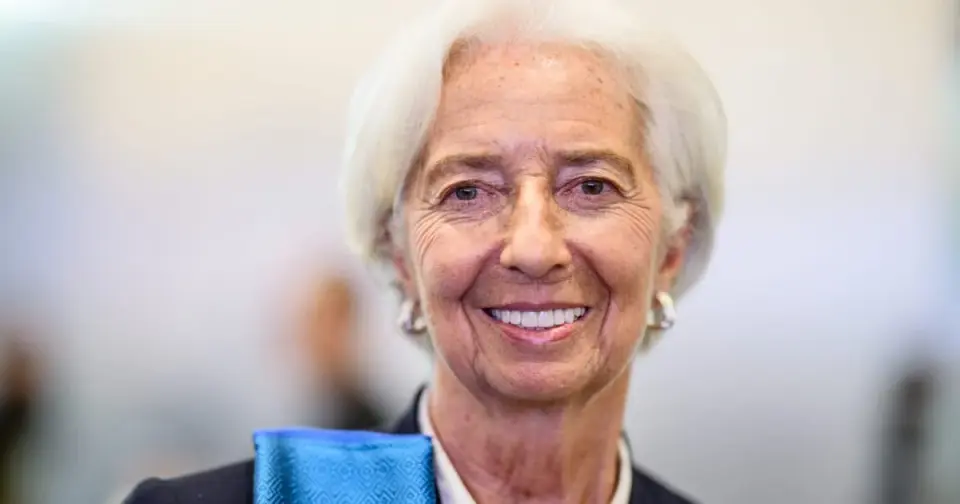
Christine Lagarde will step down as European Central Bank president on February 7, 2027, cutting her term short to regain freedom of speech and prevent a potential far-right influence on the institution. Her exit accelerates a leadership transition amid rising French debt and political polarization, with Klaas Knot and Pablo Hernández de Cos emerging as top successors.
Key points
- Lagarde announced her resignation on October 29, 2026, citing the need to speak freely on non-monetary issues and express views on truth and misrepresentation.
- The departure is seen as a strategic move to ensure the ECB leadership transition occurs before Marine Le Pen, who leads French polls, potentially becomes president in May 2027.
- The vacancy triggers a package deal for three ECB Executive Board seats, including the roles of Isabel Schnabel and Philip Lane, with German Chancellor Friedrich Merz aiming for a decision by year-end.
- Lagarde’s successor will face high borrowing costs, war-fueled inflation, and acute fiscal pressure in France, the eurozone’s second-largest economy.
- Speculation suggests Lagarde may join the World Economic Forum as chair, though she has not confirmed a return to French politics.
Background
Lagarde’s early exit follows months of speculation and follows the earlier departure of Isabel Schnabel to the IMF. It occurs against a backdrop of rising European bond yields and French fiscal stress, where mainstream political candidates are losing ground to populist leaders like Jean-Luc Mélenchon and Marine Le Pen.
How outlets are covering it
Politico emphasizes the strategic 'Le Pen-proofing' of the ECB, framing Lagarde’s exit as a move to secure a centrist successor before a potential far-right French presidency. The New York Times focuses on the timing, noting that the early departure allows current European leaders, including President Macron, to influence the succession before the French election. Both outlets agree on the date and the political sensitivity, but Politico highlights the specific candidates (Knot and de Cos) and the broader EU coordination, while the NYT notes the turbulent nature of her tenure spanning multiple crises.
Why it matters
The leadership change at the ECB is critical for stabilizing European bond markets and managing fiscal pressures in France. A shift in ECB leadership could alter monetary policy approaches, impacting interest rates and debt sustainability across the eurozone, especially as political fragmentation grows in Europe.
What to watch
EU capitals will negotiate a package deal for three ECB Executive Board appointments, with a decision expected by year-end. Lagarde may assume a role at the World Economic Forum, and the new ECB president will face immediate challenges from high inflation and French fiscal instability.
- Lagarde’s early exit Le Pen-proofs ECB as France veers toward a debt reckoning POLITICO.eu
- Christine Lagarde to Resign Early as ECB President WSJ
- Christine Lagarde to Step Down as President of European Central Bank The New York Times
- Christine Lagarde: the unlikely central banker who steered Europe through multiple crises Financial Times
- Lagarde’s bandages due to a ‘little skin cancer,’ not ‘kick-boxing in Thailand’ POLITICO.eu
Want the full story? Read the original reporting
Read on POLITICO.eu