
Prediction Markets Face Critical Test in U.S. Senate Races After Brazil Miss
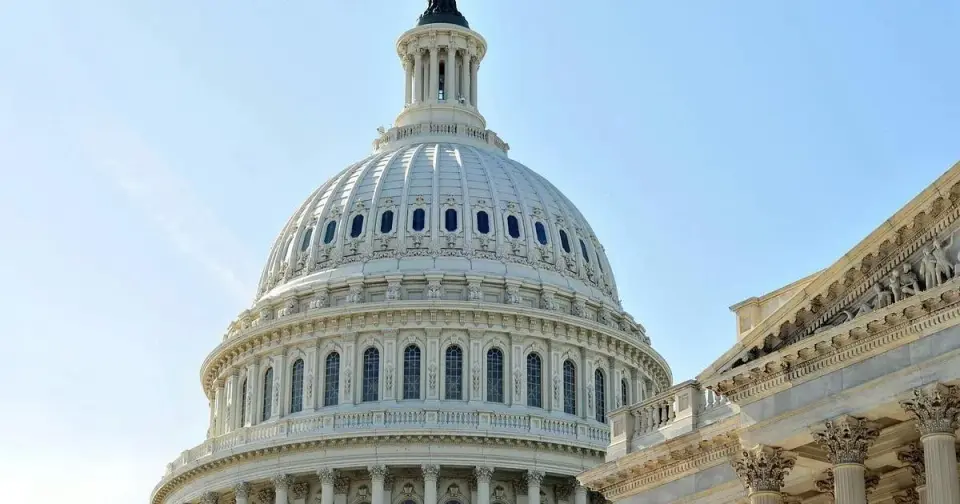
U.S. Senate races are the next major test for prediction markets after their failure in Brazil. Kalshi and Polymarket currently price Democratic control at 70-73%, while Nate Silver’s model suggests 75%. Experts debate whether these prices reflect true probabilities or momentum-driven trading, noting that Senate races are correlated like weather patterns, making individual market prices less reliable than traditional polls.
Key points
- Kalshi and Polymarket assign 70% and 73% probabilities to Democrats taking the Senate, respectively, as of Friday morning.
- Nate Silver’s forecast model estimates a 75% chance of Democratic control, while the Cook Political Report rates seven races as toss-ups but favors Democrats.
- Kalshi’s Brazil market missed the outcome by seven points, with Lula winning 51.79% to 48.21% despite traders pricing Bolsonaro near 80%.
- Researchers argue that market prices reflect momentum rather than fundamentals, with Kalshi contracts priced to win 20% of the time actually winning less than 1.5%.
- Thomas Rietz compares Senate races to weather, noting that competitive races are correlated, meaning a shift in one state likely affects others, increasing overall uncertainty.
Background
Recent coverage highlighted a Pentagon ban on military personnel betting on war outcomes via platforms like Polymarket and Kalshi, citing security risks. Additionally, earlier reports indicated that bettors and polls pointed to a Democratic sweep in the 2026 midterms, with the House nearly settled and the Senate seen as a critical battleground for flipping red-state seats.
How outlets are covering it
The Center Square highlights a fundamental disagreement among experts regarding the reliability of prediction markets. Thomas Gruca and Thomas Rietz argue that prices on platforms like Kalshi are driven by momentum and volatility rather than underlying fundamentals, making them poor predictors for correlated events like Senate races. Christopher Wlezien contends that traditional polls have historically outperformed market prices, adding no new predictive value. Conversely, Thomas Miller argues that while raw market prices are not probabilities, statistical adjustments can improve accuracy, with his model showing Republican chances at 23.4% compared to Kalshi’s 36%. Kalshi’s own analysis suggests its Brazil miss was a statistical anomaly, noting that an 80% probability should fail one in five times, though it did not respond to inquiries about the specific pricing errors.
Why it matters
The accuracy of prediction markets is crucial for understanding political trends and allocating resources. If these platforms consistently misprice outcomes due to momentum or correlation effects, they may mislead investors and analysts. The upcoming U.S. Senate elections will serve as a definitive test of whether these markets can handle the complexity of correlated national races, potentially reshaping how probabilities are interpreted in political forecasting.
What to watch
The U.S. Senate elections will occur in November 2026, providing a direct test of prediction market accuracy. Analysts will compare final results with pre-election prices from Kalshi, Polymarket, and traditional polls to determine which method offers superior predictive value. Further research may emerge on how to adjust market prices for momentum and correlation to improve forecasting reliability.
- Prediction markets missed Brazil. U.S. midterms are the big test. The Center Square
- Brazil's Lula faces spending rows as supporters oppose tougher fiscal measures Reuters
- XP Investment Officer Artur Wichmann Says Brazilian Equities Still Well Positioned If Fiscal Situation Improves Barron's
- Hedge Funds in Brazil Reel as Losses Reach 24% After Lula Shock Bloomberg.com
- The Collapse of Brazil’s Bolsonaro Bet and Interest Rates vs. Ag Markets Barchart.com
Want the full story? Read the original reporting
Read on The Center Square