
Record Fuel Costs and Iran Conflict Drive Historic Midterm Losses for Republicans
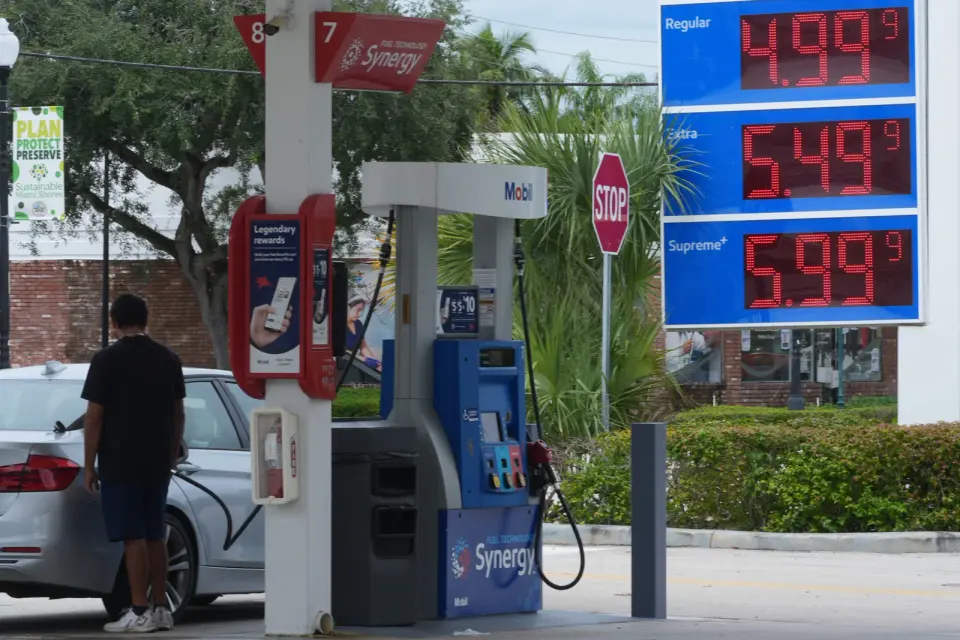
U.S. gasoline and diesel prices reached all-time highs for an election day on November 3, 2026, averaging $4.12 and $6.28 per gallon, respectively. This surge, driven by the U.S.-Iran conflict and supply disruptions, coincided with a sharp decline in President Donald Trump’s approval ratings and significant losses for Republican candidates in the midterm elections. While the administration had promised to cut energy costs, fuel prices rose 47% for gasoline and 67% for diesel since February, contributing to voter dissatisfaction with the economy.
Key points
- Gasoline averaged $4.12/gallon and diesel $6.28/gallon on Election Day, setting records for both fuel types.
- Prices were $1.07 higher for gas and $2.59 higher for diesel compared to the same period in 2025.
- The U.S.-Iran conflict, which began in late February 2026, is cited as the primary driver for the price spike.
- Trump’s net approval rating dropped by nearly 20 percentage points since the start of the year, correlating with rising fuel costs.
- Democrats achieved historic gains in the midterms, with analysts linking the results to voter anger over the cost of living.
Background
Prior to the 2026 midterms, the administration had faced mounting pressure over energy costs. In September, officials weighed a diesel export ban to lower domestic prices, which had briefly reached $6.53 per gallon. Trump had campaigned on a promise to cut gasoline prices below $2 per gallon within his first year, a goal that was not met as prices rose steadily after the February conflict with Iran began.
How outlets are covering it
Mediaite and USA Today emphasize the direct link between record fuel prices and the Republican electoral defeat, noting that 76% of voters disapproved of Trump’s handling of gas prices. CNBC highlights the contradiction between Trump’s campaign promises and current realities, noting that diesel prices surged 70% over the past year. Pew Research Center provides historical context, noting that while current prices are high, they are lower than the 2008 peak when adjusted for inflation. All sources agree that the Iran conflict and subsequent supply disruptions were the primary catalysts for the price increases.
Why it matters
The record high fuel prices exacerbated inflation and eroded public support for the incumbent party, leading to significant shifts in congressional control. The economic strain from energy costs influenced voter behavior across key agricultural and swing states, demonstrating the tangible impact of geopolitical conflicts on domestic political outcomes.
What to watch
Crude oil prices have risen in October, with markets pricing in potential further escalations in the Middle East. Analysts warn that any renewed conflict could push prices higher ahead of the Thanksgiving driving season. The administration has announced an $8 billion relief program for farmers and an executive order allowing off-road diesel use on highways to mitigate immediate economic impacts.
- Voters Might Want to Carpool to the Polls — Gas and Diesel Hit Highest Ever National Average Prices for Election Day Mediaite
- Trump approval rating sank as gas prices rose heading into midterms USA Today
- US Gas Prices Rise Above $4 for the First Time on Election Day Bloomberg.com
- Gas Prices Are High Now, but for Many Americans They Were Even Higher in the Past Pew Research Center
- Trump promised to slash energy costs — but gasoline, diesel and jet fuel all soared instead CNBC
Want the full story? Read the original reporting
Read on Mediaite