
Senate Weighs Permanent Chinese Car Ban as Critics Warn It Will Hurt US Buyers
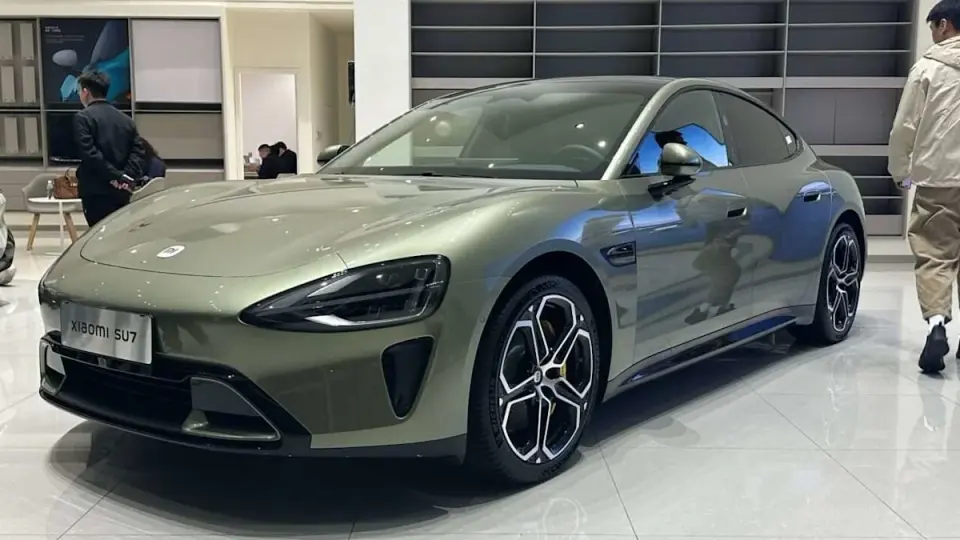
Bipartisan Senate legislation backed by the American auto industry seeks to permanently ban Chinese-made cars from US sales. Critics argue this protectionist move ignores existing market presence and will raise prices for consumers, while supporters cite national security and industrial competitiveness.
Key points
- Bipartisan federal legislation is moving through the Senate to permanently ban Chinese cars from being sold in the United States.
- The proposal has strong support from the American auto industry, specifically the Alliance for Automotive Innovation.
- Critics argue that Chinese vehicles are already present in the US market and that a ban would reduce competition, ultimately harming American buyers.
- Existing barriers, such as connected-car rules and tariffs, already restrict Chinese automotive exports to the US.
- The debate highlights a conflict between protecting domestic manufacturing and maintaining consumer choice in the electric vehicle sector.
Background
This debate follows earlier reports in September 2026 that the Alliance for Automotive Innovation was pressuring Congress to curb EV competition by banning Chinese vehicles. Previous coverage noted that Chinese automakers are advancing in EV technology while US incumbents focus on gas-powered models, raising concerns about protectionism harming consumers and environmental goals.
How outlets are covering it
The Washington Post’s editorial board argues that a blanket ban is 'protectionism' that hurts American buyers by reducing competition, noting that Chinese cars are already sold in the US and that existing conditions are sufficient. In contrast, the legislative push, supported by the auto industry, frames the ban as necessary to protect domestic manufacturing and national security, despite existing tariffs and regulations. The sources highlight a divide between consumer choice advocates and industry protectionists.
Why it matters
The outcome will determine whether the US maintains open competition in the automotive market or shifts toward stricter protectionism, impacting consumer prices, EV adoption rates, and US-China trade relations.
What to watch
The Senate is expected to vote on the legislation in the coming weeks. If passed, it would permanently ban Chinese cars, potentially leading to retaliatory trade measures from China and increased prices for US consumers.
- America Already Banned Chinese Cars. The Senate Is Fighting Over Who Gets to Unban Them. yahoo.com
- General Motors warns on US market as carmakers seek ‘safe haven’ from Chinese rivals Financial Times
- Opinion | Ban Chinese cars? They’re already here. The Washington Post
- US senators press for quick Chinese vehicle ban this week as Xi visits Reuters
- US senators delay effort to permanently ban Chinese cars Reuters
Want the full story? Read the original reporting
Read on yahoo.com