
Bessent Rejects AI Liability Shield, Defends Trump’s Media Ban and Fed Hike
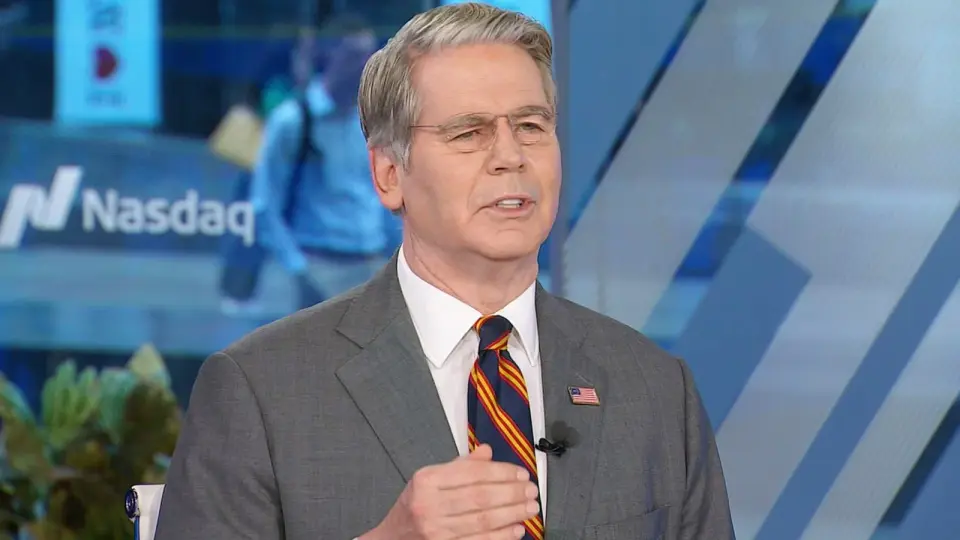
Treasury Secretary Scott Bessent stated that AI developers must assume personal responsibility for their models, rejecting the idea of a government-provided liability shield. He aligned with President Trump’s opposition to regulatory crackdowns on the AI sector, emphasizing that humans, not algorithms, bear accountability. Bessent also defended the administration’s ban on three news outlets from the White House and predicted interest rates will fall once the Iran conflict ends, despite recent Federal Reserve hikes.
Key points
- Bessent told CNBC that AI leaders 'need to take responsibility for themselves' rather than expecting a federal liability shield.
- He affirmed Trump’s stance against regulatory crackdowns, noting that 'it is humans who are responsible, not the AI.'
- The Treasury Secretary defended Trump’s decision to ban MS NOW, CNN, and Politico from the White House, citing 'perceived bias' in legacy media.
- Bessent predicted interest rates will decrease after the Iran war ends, despite the Fed’s recent hike to 3.75%-4% to combat inflation.
- He confirmed a 12-hour meeting with Chinese Vice Premier He Lifeng ahead of a summit between Trump and Xi Jinping later this week.
Background
This statement follows earlier concerns that Trump’s aggressive AI expansion strategy was a calculated wager to prevent an economic downturn from a potential AI investment slowdown. While previous reports highlighted the political calculus of shielding the tech sector from regulatory risks, Bessent’s comments now clarify the administration’s refusal to extend legal protections to AI developers, shifting the focus to individual accountability within the industry.
How outlets are covering it
CNBC highlights Bessent’s direct rejection of a liability shield and his defense of the media ban, framing these as key policy stances. Marketscreener.com focuses primarily on the alignment between Bessent and Trump regarding AI regulation, noting the broader market context but offering less detail on the specific arguments regarding human responsibility versus AI autonomy. Both sources agree on the core position but differ in emphasis, with CNBC providing more detail on the geopolitical and domestic political implications.
Why it matters
The rejection of a liability shield signals a shift in US AI policy toward stricter individual accountability for developers, potentially affecting investment and innovation. Simultaneously, the defense of the media ban and the prediction of falling rates despite current inflationary pressures highlight the administration’s willingness to prioritize political and geopolitical goals over traditional economic and journalistic norms.
What to watch
Watch for the outcome of the Trump-Xi summit later this week, particularly regarding AI incident communication lines and the upcoming expiration of the US-China trade truce on Nov. 10. Also, monitor the Federal Reserve’s response to Bessent’s predictions and the ongoing legal challenges from the banned news outlets.
- Trump admin won't give AI leaders a 'liability shield,' Bessent tells CNBC CNBC
- Treasury Secretary Scott Bessent on AI Risk, Kevin Warsh and China WSJ
- Treasury Secretary Bessent says AI firms shouldn't get liability shield qz.com
- Bessent says US needs more open-source AI models to compete with China Fox Business
- Bessent Agrees With Trump's Opposition to AI Regulatory Crackdown marketscreener.com
Want the full story? Read the original reporting
Read on CNBC