
Trump’s Diesel Deals and Tax Waivers Fail to Halt Price Surge Before Midterms
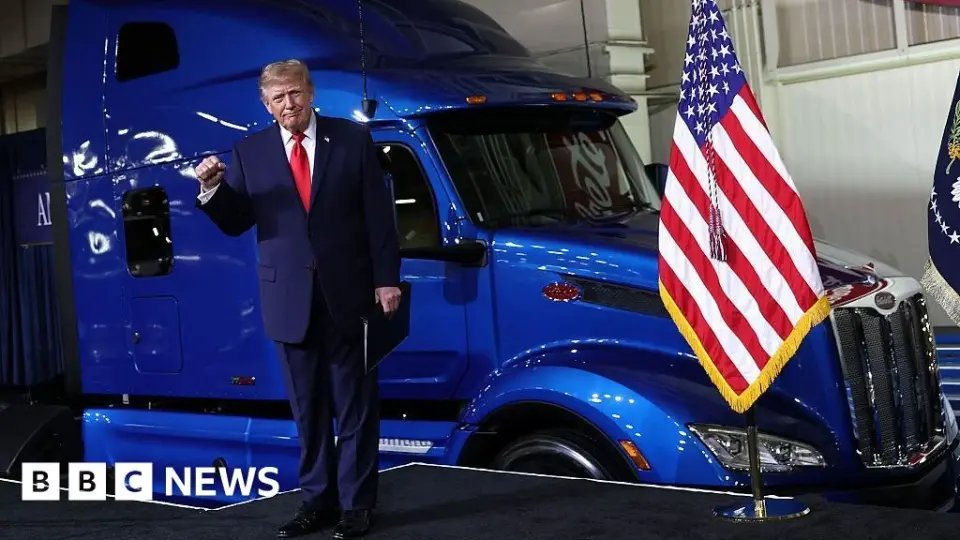
US President Donald Trump has announced a deal with Russia to release 300,000 tonnes of diesel immediately, alongside previous moves to waive federal taxes on 'red dye' diesel and pressure G7 nations to release oil stockpiles. These actions aim to lower fuel costs ahead of the November 3 midterm elections, where affordability is a dominant issue. Despite these measures, analysts argue that geopolitical tensions in the Middle East and Ukraine remain the primary drivers of high prices, which have doubled since the start of the US-Israel conflict with Iran in February. Diesel prices currently stand near $6.30 per gallon, significantly higher than gasoline, due to restricted refining capacity and supply chain disruptions. While some modest price declines have occurred, experts warn that without resolving the underlying conflicts, high energy costs will persist through Election Day, potentially impacting Republican candidates in key agricultural and industrial states.
Key points
- Trump announced a deal with Vladimir Putin for the immediate release of 300,000 tonnes of Russian diesel, with further shipments scheduled for November and beyond, claiming this will cause prices to drop rapidly.
- The administration previously signed an executive order allowing tax-exempt 'red dye' diesel, typically used off-road, to be used on public highways without federal levies, a move critics say offers only trivial relief and creates logistical issues for trucking companies.
- Diesel prices have risen approximately 70% since the start of the Iran conflict, reaching nearly $6.30 per gallon, while gasoline has increased by about 40%, driven by restricted global supply and high refining costs.
- Analysts attribute the price surge primarily to the closure of the Strait of Hormuz and reduced Middle East exports, with the Russia-Ukraine conflict contributing to the remaining 40% of the price increase.
- Prediction markets indicate an 87% chance that national average gas prices will remain above $4 per gallon on Election Day, with diesel likely staying above $6, raising concerns for Republican candidates in states like Iowa, Kansas, and Maine.
Background
Fuel prices in the US have surged significantly since the US-Israel conflict with Iran began in February 2026, which effectively halted oil flows through the Strait of Hormuz. Prior to the latest diesel deal, Trump had already implemented measures to defer federal taxes on red-dyed diesel and pressured G7 nations to release 100 million barrels of oil from stockpiles. These actions were part of a broader effort to address rising inflation and cost-of-living concerns ahead of the 2026 midterm elections, where economic performance is a critical voting issue.
How outlets are covering it
BBC and CNBC report that while Trump’s latest Russian diesel deal and previous tax waivers have led to modest price declines, they are insufficient to solve the structural supply issues. The American Prospect argues that these measures are 'symptomatic relief' that cannot address the root cause of the crisis, which is the ongoing Iran war. BBC notes that the red-dye diesel waiver may backfire by depleting reserves and creating high fines for truckers once the waiver ends. CNBC highlights that prediction markets show high confidence that prices will remain elevated through Election Day, suggesting limited impact from current policies. The American Prospect emphasizes that diesel prices are disproportionately high compared to gasoline due to specific refining constraints and global trade dynamics, a nuance less emphasized in the other sources.
Why it matters
High fuel costs are squeezing household budgets and increasing business expenses, contributing to inflation and higher interest rates. This economic pressure is directly impacting voter sentiment, with polls showing majority disapproval of Trump’s handling of the economy. The sustained high prices of diesel, in particular, are threatening Republican candidates in key agricultural and industrial states, potentially influencing the outcome of the 2026 midterm elections and the future of US energy policy.
What to watch
The immediate release of Russian diesel is expected to begin, with further shipments scheduled for November. However, analysts warn that without a resolution to the conflicts in Iran and Ukraine, high prices will persist for at least four to six months as Middle East production recovers. The administration may continue to pressure states to cut local fuel taxes, but federal tax suspensions require Congressional approval, which is unlikely before the elections. Market speculation suggests prices will remain elevated through Election Day, keeping affordability a central issue in the campaign.
- Trump wants to reduce the cost of fuel as the midterms loom - will it work? BBC
- Trump’s war with Iran doubles the cost of his rides in ‘the Beast’ The Times
- The Political Economy of Diesel The American Prospect
- Little relief expected for gas prices ahead of Election Day, according to prediction markets CNBC
- Trump's moves to boost diesel supplies have not yet lowered prices Reuters
Want the full story? Read the original reporting
Read on BBC