
Trump's SpaceX Bond Purchase Precedes New National Space Policy
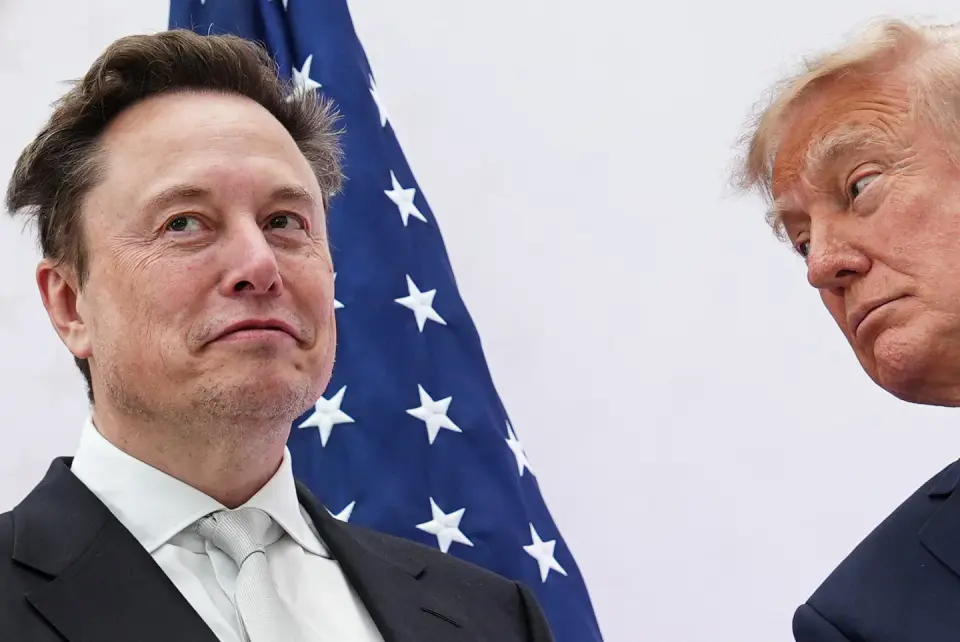
President Trump purchased between $1 million and $5 million in SpaceX debt on August 18, 2026, just two days before signing a memorandum to expand U.S. commercial space transportation. The new policy aims to facilitate over 1,000 annual launches by 2030. Critics argue the timing suggests a conflict of interest, while the White House maintains the trades were executed by independent algorithms.
Key points
- Trump’s August financial disclosure revealed 517 trades, including a purchase of up to $5 million in SpaceX senior unsecured bonds due in 2031.
- The bond purchase occurred on August 18, two days before Trump signed a national security memorandum to accelerate commercial space transportation.
- The new policy seeks to support more than 1,000 launches and reentries annually by 2030 by expediting permitting and environmental reviews.
- SpaceX, led by Elon Musk, is a major federal contractor and stands to benefit from the expanded launch infrastructure.
- The White House stated the portfolio is managed by third-party institutions using computer-based models, with no input from Trump or his family.
Background
This follows a pattern of active trading by Trump during his second term, with over 21,000 securities trades reported in 2025. Recent archive coverage notes that SpaceX shares surged recently, restoring Musk’s trillionaire status, and that Musk has aligned his AI division with Trump’s 'Super Intelligence' branding. Previous disclosures showed smaller SpaceX stock purchases in June and July 2026.
How outlets are covering it
The Washington Post and CNBC highlight the temporal proximity of the bond purchase to the space policy, noting that SpaceX is a major Pentagon contractor. CNBC emphasizes the broader context of 517 trades, including a significant Meta purchase. WBAL-TV cites Richard Painter, a former ethics lawyer, who called the purchase a clear conflict of interest, stating, 'No effing way. Don’t buy the bonds.' Senator Elizabeth Warren labeled the actions 'corruption.' Conversely, the White House, via spokesman Davis Ingle, insists there are no conflicts, claiming the portfolio is independently managed through discretionary accounts that replicate indexes like the Schwab 1000. A financial adviser noted to The Washington Post that buying individual bonds to track an index is unusual, though not impossible.
Why it matters
The overlap between the president’s financial interests and federal policy decisions raises questions about the integrity of government decision-making. If the administration’s space policies are influenced by the president’s personal financial gains, it could undermine public trust and potentially favor specific contractors like SpaceX over competitors such as Blue Origin. The lack of a blind trust, unlike previous administrations, makes these conflicts more visible and controversial.
What to watch
Congress may consider legislation to ban stock ownership and trading by the president and members of Congress, as suggested by Senator Warren. The White House is expected to continue defending the independence of the portfolio management. Future financial disclosures will be scrutinized for further overlaps between trades and policy announcements, particularly regarding other companies like Meta and Microsoft.
- Trump bought over $1 million in SpaceX debt days before unveiling space policy The Washington Post
- Trump disclosed millions in new trades in SpaceX and Microsoft. Today, he gave medals to their CEOs. Yahoo Finance
- Trump purchased up to $5 million of SpaceX bonds days before major space order WBAL-TV
- Trump bought up to $25 million in Meta and millions in SpaceX debt in August CNBC
- Trump discloses Nvidia stock trades as he prepares to honor CEO Huang Reuters
Want the full story? Read the original reporting
Read on The Washington Post