
Foreign U.S. Home Sales Hit 12-Year Low as Visa Uncertainty Deters Buyers
Foreign purchases of existing U.S. homes fell 14% in volume and 19% in value through March 2026, marking the second-lowest level since 2009. While overall international demand declined, luxury segments in California and Florida remained robust, driven by cash buyers from China and Canada. Shifting visa policies significantly impacted highly skilled workers, while a weaker U.S. dollar failed to stimulate broader activity.
Key points
- Existing home sales to foreign buyers dropped 14% in unit volume and 19% in dollar volume for the 12 months ended in March 2026, according to the National Association of Realtors (NAR).
- International buyers closed on approximately 67,100 properties, the second-lowest figure since NAR began tracking data in 2009, with a median price of $465,000.
- Canada remained the top source of foreign buyers at 16% of transactions, followed by Mexico at 14% and China at 11%, though Chinese buyers spent the most due to higher luxury property values.
- The largest decline in buyer activity was among highly skilled workers on H-1B and similar visas, driven by uncertainty surrounding immigration and visa policies.
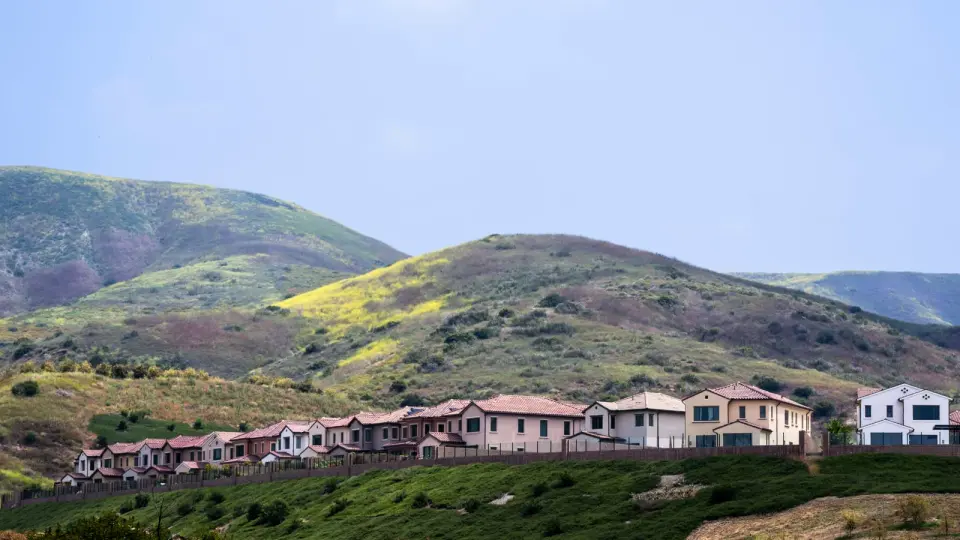
- Despite the overall drop, the luxury new-home segment remained strong, particularly in Irvine, California, where builders continue to target affluent international buyers, many of whom pay in cash.
Background
Foreign investment in U.S. real estate has historically fluctuated with currency values and immigration policies. Previous years saw Chinese buyers lead in transaction volume, but recent shifts have altered this hierarchy. The current decline mirrors broader trends in international tourism and visitor numbers to the United States.
How outlets are covering it
CNBC emphasizes the sharp decline in overall foreign buyer activity and highlights the specific impact of visa policy uncertainty on highly skilled workers. It notes that a weaker U.S. dollar did not stimulate more purchases. Realtor.com provides a more granular view, detailing that 47% of foreign buyers paid in cash, compared to 28% of all buyers. It identifies Florida, California, Texas, New Jersey, and Georgia as the top states for foreign buyers and notes that international interest is shifting toward Texas cities as alternatives to California. Both sources agree on the NAR data but differ in focus: CNBC highlights the negative impact of policy on skilled workers, while Realtor.com emphasizes the resilience of luxury markets and cash transactions.
Why it matters
The decline in foreign home sales signals a shift in international investment patterns, potentially affecting luxury markets and specific regional economies. The resilience of cash buyers in luxury segments suggests that high-net-worth individuals remain active despite broader policy uncertainties. This trend may influence local housing markets in states like Florida and California, where foreign buyers constitute a significant portion of purchases.
What to watch
Builders may continue to target international buyers in luxury segments, particularly in California and Florida. Policy changes regarding visas and immigration could further impact demand from highly skilled workers. Monitoring currency values and international tourism trends may provide insights into future foreign buyer activity.
- Foreigners are buying fewer U.S. properties, but luxury homebuilders still draw them in CNBC
- Chinese buyers pull back from US homes as state restrictions grow Nikkei Asia
- Foreign buyers seem to be following Zohran Mamdani's cue — and fleeing American real estate Fortune
- People from this country are buying up the most homes in America right now, even as international sales dry up MarketWatch
- Top 5 States for Foreign Homebuyers—Where Nearly 50% Are Paying Cash for Homes Realtor.com
Want the full story? Read the original reporting
Read on CNBC