
China’s AI Strategy Crumbles as US Closes Nvidia Loopholes Amid Huang Scandal
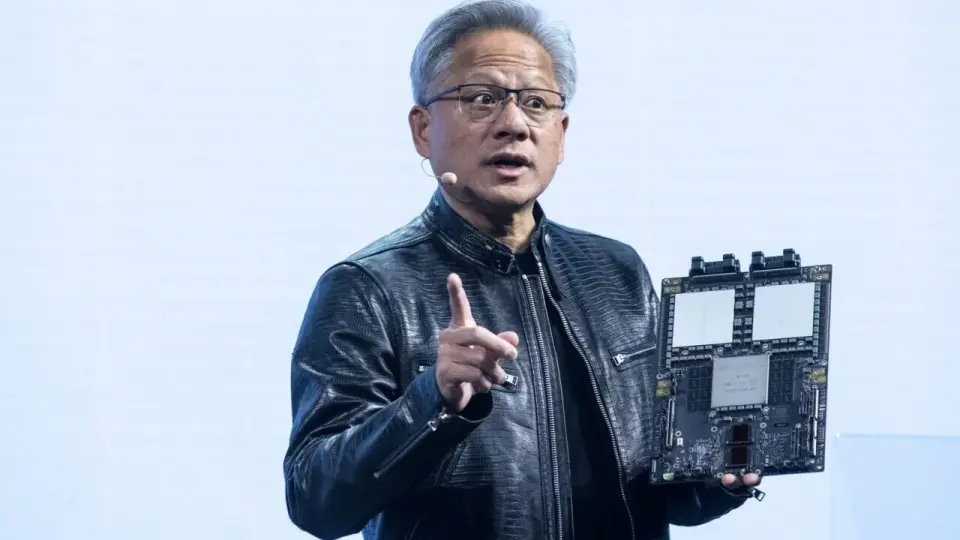
China’s dual-track strategy of relying on smuggled and legally imported Nvidia chips while developing domestic alternatives is collapsing. US authorities have tightened export rules and blacklisted key intermediaries, forcing Beijing to confront a potential shortage of advanced AI compute. While Chinese firms urgently need US hardware to maintain competitiveness, the political fallout from the Jensen Huang scandal has accelerated Washington’s move to sever these links, despite Beijing’s long-term goal of semiconductor self-reliance.
Key points
- The US Commerce Department issued a new rule on November 16, 2026, restricting Chinese access to overseas data centers that host Nvidia chips, effectively closing a major loophole.
- Nvidia’s interim CEO, Colette Kress, halted direct sales of H200 chips to China, and the company removed China-related revenue from its forecasts, citing compliance concerns.
- The Institute for Progress estimates that US chips supply roughly two-thirds of China’s AI compute, split between legal imports, smuggling, and rented overseas servers.
- Treasury Secretary Scott Bessent demanded answers from Nvidia regarding a potential 'culture of noncompliance' with export restrictions, though he dismissed the spy allegations against Alice Huang as a 'canard.'
- China’s Ministry of State Security is accused by The New York Times of actively facilitating chip smuggling for at least two years, contradicting the narrative that such activities occur against the government’s will.
Background
This crisis follows the resignation and subsequent reinstatement of Nvidia CEO Jensen Huang in November 2026, triggered by reports of his affair with Alice Huang, a woman suspected of ties to Chinese intelligence. Prior to this, the Trump administration had approved significant chip exports to China, including H200s, despite earlier Biden-era restrictions. The current situation marks a sharp reversal from the previous year’s openness, as Washington now prioritizes national security over trade revenue.
How outlets are covering it
The National Interest argues that China’s government is not merely tolerating chip smuggling but actively facilitating it through its security services, creating a contradictory policy that depends on US chips it claims to reject. The Washington Post emphasizes the aggressive lobbying tactics Nvidia used to bypass restrictions, noting that the company’s influence in Washington has waned since the scandal. Yahoo Finance highlights the geopolitical shift, suggesting that the scandal has emboldened US 'China hawks' and weakened Trump’s ability to mediate trade deals, forcing Beijing to accelerate its push for domestic self-reliance. CBS News focuses on the internal compliance questions, with Treasury Secretary Bessent questioning whether noncompliance was systemic or isolated to specific individuals, while dismissing the spy allegations as a distraction from the core issue of chip diversion.
Why it matters
The closure of these supply chains threatens to stall China’s AI development, potentially widening the technological gap with the US. For Nvidia, the loss of the Chinese market, which represented a $50 billion annual opportunity, could impact long-term growth despite strong demand elsewhere. For the US, the crackdown signals a shift toward stricter enforcement of export controls, potentially setting a precedent for future technology trade restrictions. The incident also raises questions about the integrity of US-China relations, as Beijing has labeled the new rules 'economic coercion,' risking further trade retaliation.
What to watch
Jensen Huang is scheduled to testify before the Senate Banking Committee in early December, where he will face scrutiny over Nvidia’s compliance practices. Lawmakers are expected to introduce further legislation to tighten export controls, potentially including tracking requirements for AI chips. China may respond with countermeasures, including delays in rare-earth mineral exports, as it navigates the immediate shortage of US chips while accelerating domestic production by Huawei and other firms.
- Why China Wants Nvidia Out, Just Not Yet The National Interest
- Jensen Huang went to war with Washington — and won a path to China The Washington Post
- Nvidia’s spying scandal is backfiring on China Yahoo Finance
- Bessent says we "need answers" on role Nvidia played in sending AI chips to China, suggests Alice Huang is "kind of a canard" CBS News
- Rep. Sydney Kamlager-Dove on efforts to restrict Chinese access to NVIDIA chips NPR
Want the full story? Read the original reporting
Read on The National Interest