
Brazilian Study Finds 96% of Skipjack Tuna Infected with Parasites
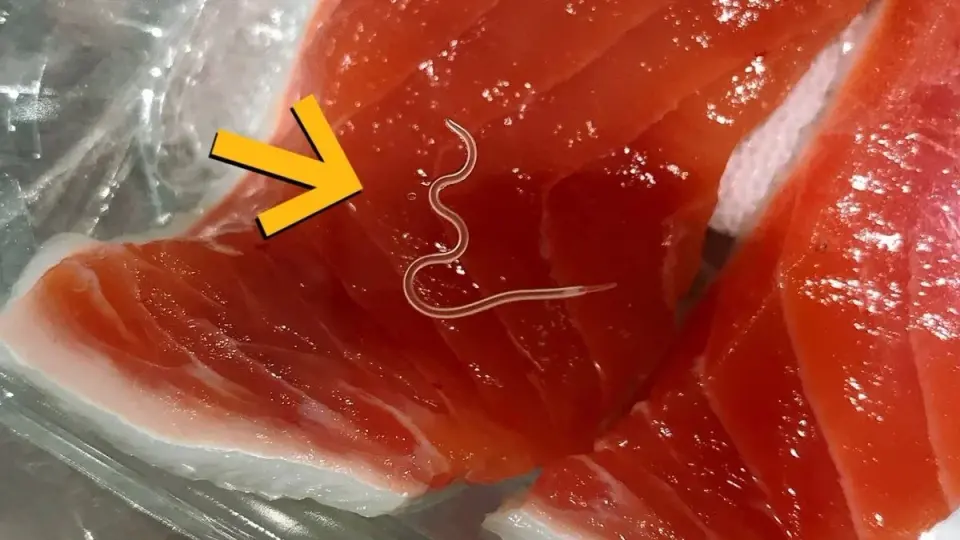
A study in southern Brazil found that 96% of 53 skipjack tuna were infected with parasites, with over 1,600 worms found in total. While the kidneys and hearts were parasite-free, the intestines, muscles, and stomachs were heavily infected. The authors emphasize the need for sanitary inspection and immediate evisceration to prevent larvae from migrating to edible muscle tissue.
Key points
- Researchers at the Federal University of Santa Catarina analyzed 53 locally caught skipjack tuna (Katsuwonus pelamis) and found 96% were infected with parasites.
- The team counted over 1,600 worms in total, identifying two main genera: Trypanorhyncha and Anisakis.
- Parasites were found in nearly all organs except the kidneys and hearts, with the intestines, muscle tissue, and stomach being the most heavily infected.
- The study authors conclude that sanitary inspection and immediate evisceration are crucial to prevent larvae from migrating from viscera to the muscle tissue that is consumed.
- While accidental human infection with Trypanorhyncha is rare, some Anisakis species can cause gastrointestinal symptoms if consumed raw or undercooked.
Background
This finding aligns with broader concerns about parasite prevalence in seafood. A 2020 University of Washington study noted a 280-fold increase in Anisakis worms in raw seafood since the 1970s, potentially linked to marine mammal conservation efforts. Additionally, a 2026 study found mycotoxins in every plant-based product in the UK market, highlighting growing scrutiny of contaminants in food supplies. Parasites like Anisakis are part of a natural food web cycle, but their presence in commercial fish raises food safety and economic concerns for the fishing industry.
Why it matters
The high infection rate in a commercially valuable fish like skipjack tuna underscores the importance of rigorous sanitary inspections and processing practices to ensure food safety. While many parasites are killed during cooking or canning, the potential for human infection from raw or undercooked fish remains a concern. The study also highlights the economic impact of parasites on the fishing industry, as they can reduce marketability and consumer confidence. Further research is needed to understand parasite trends in global fishing regions.
What to watch
The study authors call for more research on fish parasites in key fishing regions worldwide to better understand their prevalence and impact. Consumers are advised to ensure fish is properly cooked to kill parasites, as raw or undercooked fish poses the highest risk of infection. The fishing industry may need to enhance sanitary inspection and processing methods to mitigate the economic and health risks associated with parasite contamination.
Want the full story? Read the original reporting
Read on ScienceAlert