
Hackers Breach U.S. Air Force's Cloud One Platform, Disrupting Critical Military Systems
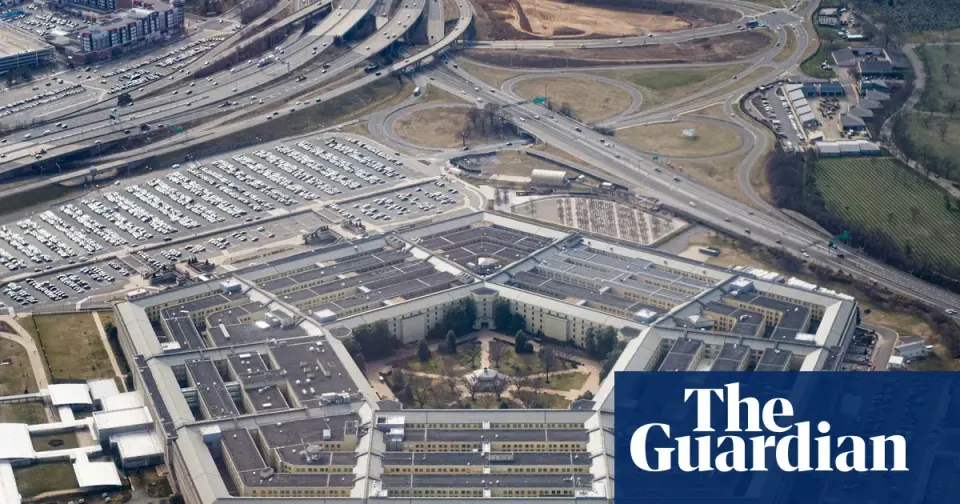
Hackers have breached the U.S. Air Force's flagship cloud computing platform, Cloud One, in an incident discovered within the past month during a systems upgrade. The intrusion has led to disruptions across the platform, which serves as a hub for personnel data, logistics, and command and control systems. While the Air Force confirmed the breach, it declined to provide details on the attackers' identity, the extent of the intrusion, or whether data was stolen. The incident is part of a broader wave of recent cyberattacks targeting federal agencies, including the CIA, FBI, and Treasury Department.
Key points
- The breach of Cloud One was discovered within the past month during a systems upgrade, according to Reuters, citing two sources.
- The Air Force confirmed the hack but declined to comment on the security posture, vulnerabilities, or operational status of specific networks and systems.
- Cloud One is used for personnel data, pay, logistics, maintenance, and command and control, including the theater-integrated combat munitions system (TICMS) that tracks munitions inventories across more than 200 locations worldwide.
- The breach could jeopardize the security of sensitive tactical, personnel, and logistics data, according to Reuters.
- The incident is part of a broader wave of recent cyberattacks targeting federal agencies, including the CIA, FBI, and Treasury Department.
Background
The breach of Cloud One is part of a broader wave of recent cyberattacks targeting federal agencies. In the past few weeks, hackers have breached systems used by the CIA and Office of the Director of National Intelligence, the FBI's National Crime Information Center, and the Treasury Department. A breach at the Pentagon's defense manpower datacenter affected 2.76 million living people and 294,000 deceased individuals, exposing social security numbers and other personal information. The FBI has also warned that ARTEX, an open-source AI framework, is enabling unskilled hackers to automate complex cyberattacks, lowering the barrier to entry for cybercrime.
How outlets are covering it
The Guardian and NBC News both report that hackers have breached the U.S. Air Force's Cloud One platform, but they differ in the level of detail provided. The Guardian, citing Reuters, notes that the breach was discovered within the past month during a systems upgrade and could jeopardize the security of sensitive tactical, personnel, and logistics data. The outlet also mentions that the breach has led to disruption across the platform. NBC News, on the other hand, reports that a U.S. official confirmed the hack but could not provide any additional information about the timing or the attack's impact. The Air Force spokesperson, quoted by both outlets, declined to comment on the security posture, vulnerabilities, or operational status of specific networks and systems, emphasizing that the department continuously takes prudent measures to protect information, systems, and mission capabilities.
Why it matters
The breach of Cloud One is significant because the platform serves as a hub for the Air Force's IT needs, including personnel data, pay, logistics, and maintenance. It is also used for command and control and the theater-integrated combat munitions system (TICMS), which tracks and manages munitions inventories across more than 200 locations worldwide. A breach of this platform could jeopardize the security of sensitive tactical, personnel, and logistics data, potentially impacting the Air Force's operational capabilities. The incident also highlights the growing threat of cyberattacks targeting federal agencies and the need for robust cybersecurity measures to protect critical infrastructure.
What to watch
The Air Force is expected to continue assessing and modernizing its enterprise cloud capabilities to meet evolving mission, security, resilience, and user requirements. Decisions regarding technical architecture, workload placement, contracts, and future capabilities are made through established governance, acquisition, and risk management processes. The incident may lead to increased scrutiny of the Air Force's cybersecurity measures and potentially prompt further investments in cybersecurity infrastructure. The broader wave of cyberattacks targeting federal agencies may also lead to increased coordination between agencies to address the threat and improve cybersecurity measures across the government.
- Hackers reportedly breach US air force’s flagship cloud computing platform The Guardian
- Hackers break into US Air Force cloud computing platform: Report The Hill
- Hackers attack and penetrate Air Force’s computing platform NBC News
- US air force’s computer system hit by cyberattack The Times
- US Air Force's cloud computing platform hacked Sky News
Want the full story? Read the original reporting
Read on The Guardian