
SpaceX Halts Falcon 9 Reservations, Triggering Industry Panic Over 2028 Launch Gap
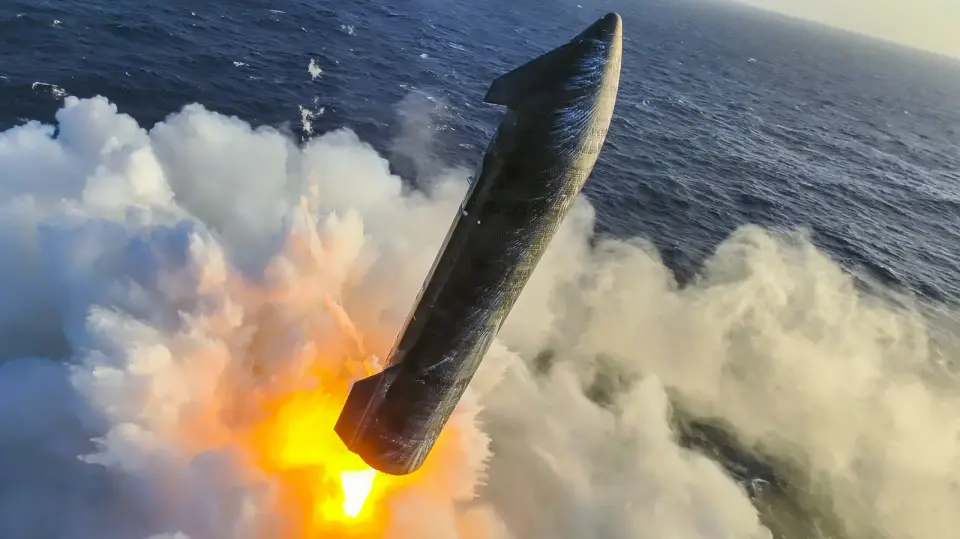
SpaceX has stopped accepting reservations for Falcon 9 launches beyond 2028, betting that its Starship rocket will replace the workhorse vehicle by then. While the Falcon 9 accounted for nearly half of all global launches in 2025, the move creates a significant supply gap for commercial satellite operators. Industry leaders warn that no current competitor can match Falcon 9's cadence, potentially causing a 'space crunch' through 2030 as Starship proves its reliability and compatibility with commercial payloads.
Key points
- SpaceX is no longer taking reservations for Falcon 9 rideshare or dedicated launches beyond late 2028/early 2029, according to multiple industry sources.
- In 2025, the Falcon 9 achieved 165 successful orbital launches, accounting for nearly half of all launches from Earth, with only one booster recovery failure.
- SpaceX CEO Elon Musk stated that resources will shift to Starship once it flies reliably several times per week, aiming for a daily launch cadence.
- The decision risks a four-year gap in ISS crew and cargo services if the ISS is extended to 2032, as Starship cannot currently dock with the station.
- The 2028 deadline aligns with NASA's Artemis lunar landing schedule, which requires Starship to be operational to serve as a lunar lander.
- The Space Review notes that Starship's initial payload bay design may not be compatible with traditional commercial satellites, only SpaceX's 'flatsat' designs.
Background
This development follows a series of shifts in 2026 where SpaceX began reallocating Starlink missions from Falcon 9 to Starship and announced plans for a mega-launch hub in Louisiana. Previous coverage highlighted concerns about a Western launch crunch as SpaceX signaled the wind-down of its workhorse rocket to focus on Starship, with rivals like Blue Origin and ULA facing delays. The current move formalizes the end of commercial Falcon 9 availability, intensifying fears about a temporary but severe shortage of launch capacity for the satellite industry.
How outlets are covering it
Jalopnik emphasizes the strategic risk for SpaceX, noting that the 2028 deadline may be driven by the need to secure the NASA lunar contract, potentially forcing the company to declare Starship ready before it is fully proven. The Space Review highlights the industry's 'panic mode' in Paris, where executives expressed frustration that no competitor can match Falcon 9's cadence, with some arguing the gap is temporary while others warn of a structural crisis for smallsat operators. European Spaceflight focuses on the immediate impact on smaller players, citing Avio's CEO on the influx of customers seeking alternatives, while noting that even increased Vega C launch rates may not suffice. SpaceNews frames the issue as a critical supply chain problem, noting that while SpaceX remains the dominant provider, the lack of alternatives for rideshare missions is creating a 'space crunch' that could last until 2030.
Why it matters
The withdrawal of Falcon 9 from the commercial market threatens to disrupt the global satellite industry, which relies on the rocket's high cadence and low cost for everything from smallsats to large GEO communications satellites. A launch gap could delay critical infrastructure, including secure connectivity constellations and Earth observation missions, while also impacting NASA's ISS and Artemis programs. The situation underscores the risks of market concentration in space launch, as the industry struggles to find viable alternatives in the near term.
What to watch
SpaceX is scheduled to attempt its first orbital Starship launch on September 28, 2026. The industry will closely watch this test to assess Starship's reliability and payload compatibility. Meanwhile, competitors like Blue Origin, Arianespace, and Stoke Space are racing to scale up their launch cadences, though most expect a significant gap in capacity through 2029-2030. NASA may need to re-evaluate its ISS and Artemis contracts if Starship does not meet the 2028 deadline, potentially turning to Boeing's Starliner or Russian Soyuz for crew transport.
- SpaceX Is So Confident In Its New Starship Rocket That It's No Longer Taking Reservations For The Dependable Falcon 9 Jalopnik
- SpaceX’s Falcon 9 Phaseout Spurs Hunt for New Ways to Launch Payloads WSJ
- Satellite industry grapples with the end of Falcon 9 SpaceNews
- Coming to terms with the end of the Falcon 9 The Space Review
- Avio CEO Reports Influx of Customers Turned Away by SpaceX European Spaceflight
Want the full story? Read the original reporting
Read on Jalopnik