
US Military Grants SpaceX Exclusive Access to High-Accuracy Space Tracking Data
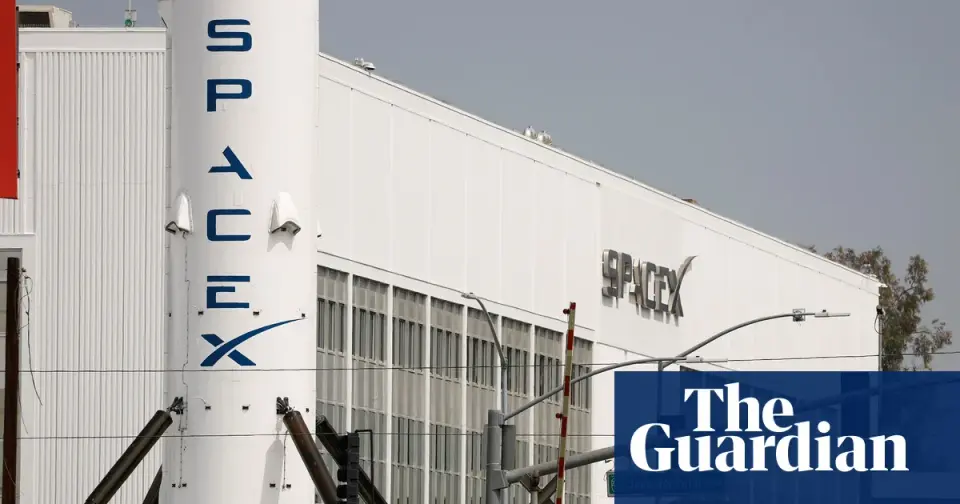
The US Space Force has granted SpaceX exclusive access to the High Accuracy Catalog, a sensitive database containing precise tracking data for satellites and debris. This move, which exchanges military radar data for access to SpaceX’s Stargaze sensor network, raises concerns about national security and market monopolization. Critics argue it undermines the federal Traffic Coordination System for Space (Traccs), which the administration has repeatedly defunded, while supporters note SpaceX’s responsiveness to safety concerns. The deal gives SpaceX a significant competitive advantage in the $2 trillion commercial space market.
Key points
- The US Space Force signed a contract with SpaceX, granting it 'enhanced' access to the High Accuracy Catalog (HAC), which includes Vector Covariance Messages from military sensors.
- In exchange, the government receives access to SpaceX’s Stargaze system, a network of cameras and radars on Starlink satellites that tracks objects down to half a meter in size.
- The move follows the 2025 firing of Traccs staff by the Department of Government Efficiency and two attempts by the administration to defund the $65 million program in fiscal years 2026 and 2027.
- Critics, including former Traccs employee Cole Donovan, argue the deal creates a 'vendor lock' scenario, giving SpaceX a monopoly over space traffic control and an unfair advantage over competitors.
- The commercial US space market is projected to reach nearly $2 trillion over the next decade, with SpaceX currently operating about 11,000 satellites and potentially expanding to 20,000.
- The data shared is designated 'controlled unclassified information' because it could expose the limits of US defense capabilities and allow reverse engineering of military sensors.
Background
This development follows earlier reports in September 2026 that SpaceX secured exclusive access to classified space tracking data through the Joint Commercial Operations Cell. It also occurs amidst broader tensions regarding SpaceX’s influence, including recent disputes over Starlink access for Ukraine and the rapid expansion of its AI data centers in Memphis. The Pentagon’s recent data breach involving 3 million military personnel has also heightened scrutiny over the handling of sensitive government information.
Why it matters
The transfer of sensitive military tracking data to a private entity raises critical questions about national security, the integrity of space governance, and the potential for corporate monopolies in critical infrastructure. It highlights the tension between government responsibility and private sector efficiency in managing the increasingly crowded orbital environment.
What to watch
Congress is expected to continue debating the funding for Traccs, with the administration proposing near-zero budgets for fiscal year 2027. Industry observers will monitor whether SpaceX’s enhanced data access leads to the displacement of other commercial space tracking firms. The Space Force may expand data-sharing agreements with other companies, though SpaceX currently holds a unique position due to its technological capabilities and government ties.
Want the full story? Read the original reporting
Read on The Guardian